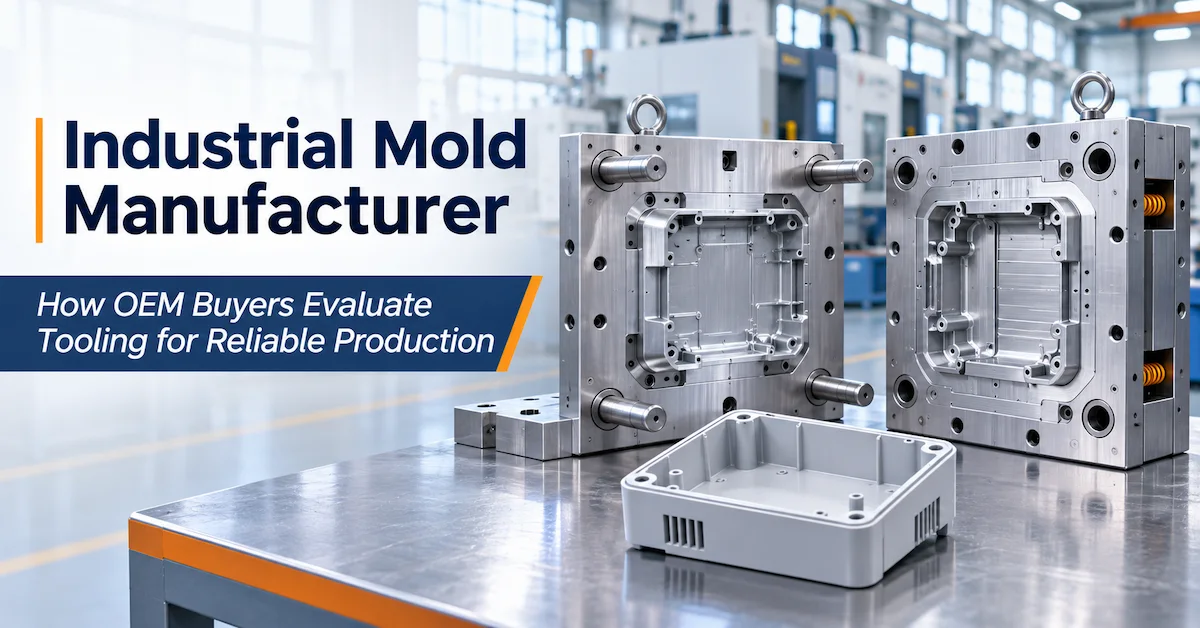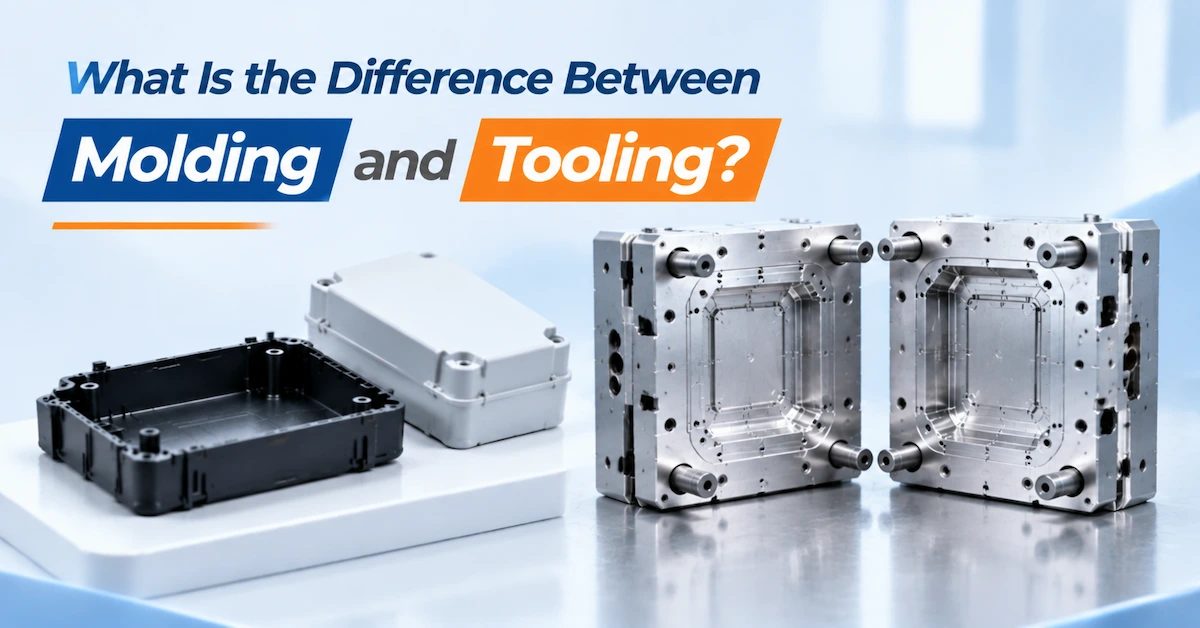
Molding is the manufacturing process that turns plastic, silicone, or another material into a finished part; tooling is the mold, die, insert, fixture, and supporting hardware used to make that process possible. In an injection molding project, the mold is one type of tooling. The molding operation is the repeatable production cycle that uses the mold, an injection machine, material preparation, process settings, inspection, and handling to produce acceptable parts. For OEM teams, understanding molding vs tooling is the first step toward separating a reusable production asset from the service that produces the finished part.
This distinction matters because suppliers and buyers sometimes use “molding,” “mold,” and “tooling” as if they were interchangeable. They are related, but they do not describe the same deliverable, cost, schedule, ownership, or quality responsibility. A tooling quotation may cover only the physical mold. A molding quotation may cover material, machine time, process setup, inspection, packaging, and molded parts. A combined project may include both.
For OEM teams, the practical answer is simple: ask whether a quoted item is a reusable production asset, a manufacturing service, or a finished part supply. DX Molding's published plastic injection mold service describes custom mold design and manufacturing, while its plastic molding service addresses custom molded parts. The exact steel, resin, process, inspection, ownership, and delivery scope must still be confirmed for the individual project.
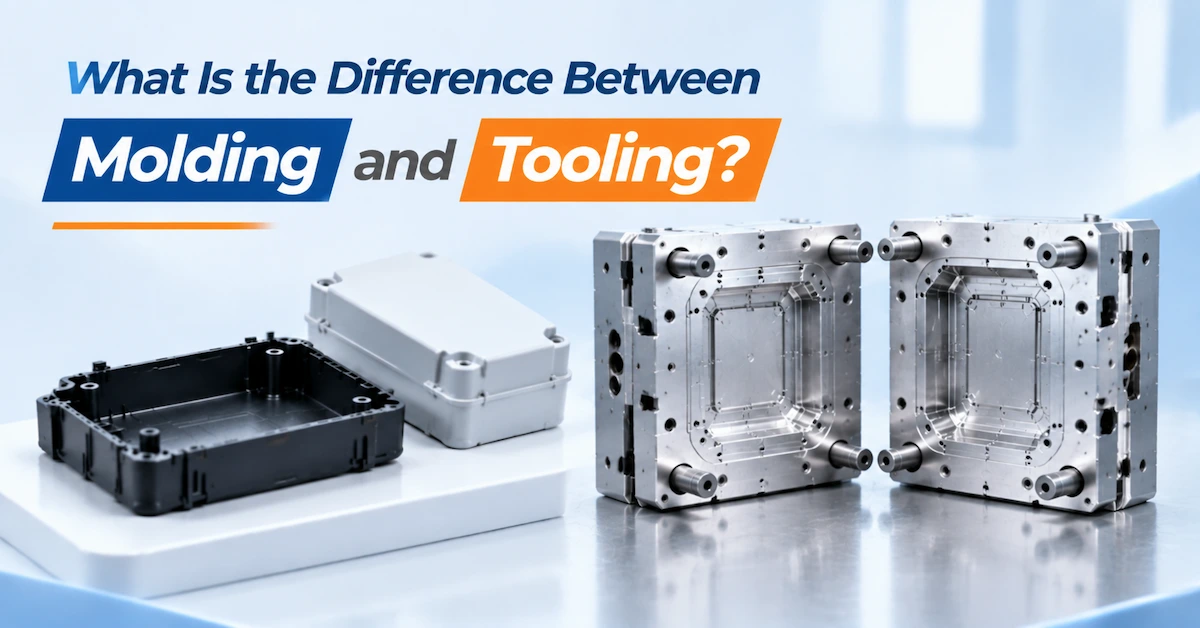
Molding and Tooling: The Short Definition
| Term | What it means | Typical output | Main buyer question |
|---|---|---|---|
| Molding | The controlled process of heating, injecting, compressing, curing, cooling, and ejecting a material into a part shape. | Finished plastic or silicone parts, samples, pilot lots, or production batches. | Will the part meet its dimensional, appearance, functional, and quantity requirements? |
| Tooling | The physical mold and related hardware that create and control the part geometry during manufacturing. | Mold, core, cavity, insert, runner system, cooling layout, ejection system, electrodes, and tool documentation. | Will the tool be suitable, maintainable, transferable, and capable of producing the approved part? |
| Injection mold | A tooling assembly used to shape molten plastic under pressure and release the cooled part. | Production-ready mold with cavity, core, gates, runners, cooling, ejection, and mechanisms as required. | Does the mold design support the material, volume, machine, cycle, and acceptance plan? |
| Molding supplier | A supplier responsible for operating equipment and controlling the process that produces parts. | Samples, molded parts, inspection reports, packing, and repeat production. | Who controls the process and the part quality after the mold is accepted? |
The terms may overlap in everyday conversation. For example, a company may call itself a “molding manufacturer” while also designing and building molds. That combined capability can be useful, but the purchase order should separate the tooling deliverable from the molding deliverable. Clear language prevents a buyer from assuming that a mold price includes production, or that a molded-part price includes ownership of the mold.
What Does Tooling Include in an Injection Molding Project?
Tooling is broader than a block of steel with a cavity cut into it. The mold must create the part geometry, introduce the material, remove heat, withstand injection pressure, release the part, and remain serviceable. The final structure depends on part geometry, resin, volume, appearance, machine interface, cycle expectations, and the acceptable level of automation.
The Mold Structure
The core and cavity form the primary part surfaces. The mold base supports them and connects the tool to the injection machine. Inserts may create replaceable details, reduce repair time, or isolate a difficult feature. Slides, lifters, collapsible cores, or other mechanisms may be required for undercuts and trapped geometry. Ejector pins, sleeves, stripper plates, or air-assisted features help separate the molded part from the steel.
The material delivery system is also part of the tooling decision. A cold runner uses solidified channels that may require degating or handling. A hot runner keeps material in a heated manifold and may reduce runner waste, but it adds components, controls, maintenance, and troubleshooting requirements. Gates, vents, runners, and flow paths affect filling, weld lines, air traps, packing, appearance, and cavity balance.
Cooling, Movement, and Maintenance Hardware
Cooling channels remove heat from the mold and influence cycle time, shrinkage, warpage, and repeatability. Cooling design must be considered with wall thickness, material, insert locations, slides, ejectors, and access for drilling or repair. A tool that can be machined but cannot be cooled or maintained properly may create a production problem.
Tooling also includes the details needed to operate and service the mold: guide components, locks, wear plates, hydraulic or pneumatic connections when used, sensors or stops where required, lifting points, spare inserts, maintenance instructions, and identification. Not every project needs every item. The important point is that the buyer should define the intended production environment before treating the mold as complete.
Tooling Is a Product With a Lifecycle
A mold has its own design review, manufacture, trial, correction, approval, maintenance, storage, transfer, and end-of-life decisions. It can be owned by the buyer while being built or operated by a supplier. It may be shipped to another molding site. It may need replacement inserts or documented changes years after the first samples. These lifecycle questions are tooling questions, even though they may not appear in a part drawing.
What Does Molding Include?
Molding begins after the tooling and material are ready, but it is not simply pressing a start button. The process includes equipment selection, material preparation, mold setup, parameter development, first-article review, in-process monitoring, inspection, packing, and corrective action. For some projects, molding also includes secondary operations such as trimming, assembly, printing, ultrasonic welding, or packaging. Those operations must be stated separately because they add their own quality risks.
Material and Machine Preparation
The molding supplier must identify the approved material and grade, color, filler, flame-retardant requirement, drying condition, and any regrind rule. The machine must provide adequate clamping force, injection capacity, shot size, tie-bar or platen clearance, mold height, ejector stroke, and control capability. A mold can be technically correct and still be unsuitable for a particular machine if the interface or process window is not checked.
The Production Cycle
An injection molding cycle normally includes mold closing, injection, packing or holding, cooling, mold opening, and ejection. The settings influence fill pattern, pressure, shrinkage, weld lines, flash, sink, warpage, cycle time, and part weight. The same mold may produce different results when material batches, machine characteristics, ambient conditions, or process parameters change.
For silicone projects, the molding method may be liquid silicone injection molding or solid silicone compression molding rather than conventional thermoplastic injection molding. The material behavior, curing, mold temperature, parting, flash control, and demolding requirements are different. Therefore, “molding” describes the production method, not a single universal process.
Inspection and Delivery
A molding quote should state how parts will be inspected and released. Typical controls may include first-article dimensions, appearance checks, part weight, assembly fit, functional testing, sampling frequency, material records, packaging inspection, and final release. The actual measurement method and acceptance limits must come from the drawing, customer standard, or project quality agreement.
DX Molding's public service information describes trial molding, inspection, sample approval, production, packaging, and delivery support. Those published workflow statements show why molding is a service layer beyond the physical mold. They do not establish a universal inspection package, production quantity, or acceptance result for every project.
How Molding and Tooling Fit Together in the Project Lifecycle
Tooling and molding are connected stages, not competing alternatives. A part cannot enter repeatable molding without a suitable tool, and a tool cannot be judged only by its appearance before it produces parts. The supplier must connect design decisions, tool construction, process setup, trial evidence, and production approval.
| Project stage | Tooling responsibility | Molding responsibility | Buyer evidence to approve |
|---|---|---|---|
| Product definition | Identify draft, parting line, undercuts, gates, cooling, and ejection risks. | Confirm resin, color, quantity, machine assumptions, and part function. | Controlled CAD, drawing, material data, volume, appearance map, and mating parts. |
| DFM and quotation | Propose mold structure, cavity count, runner, steel, mechanisms, and maintenance scope. | Estimate process route, machine fit, cycle assumptions, inspection, and packing. | Comparable quotation with inclusions, exclusions, assumptions, and milestones. |
| Tool design and machining | Build cores, cavities, inserts, runners, cooling, ejection, and moving components. | Prepare material, machine, process plan, and trial conditions. | Approved mold design, change record, inspection checkpoints, and planned trial. |
| Trial and correction | Verify movement, shutoffs, parting, cooling, ejection, and correction feasibility. | Verify fill, packing, cooling, release, dimensions, appearance, and process response. | T0/T1 records, sample status, dimensional data, defect list, and correction plan. |
| Production release | Deliver approved tool, spare parts, drawings, maintenance and transfer information. | Run the approved process, inspect parts, pack them, and control changes. | Final approval, quality records, packaging standard, ownership terms, and support plan. |
This lifecycle view explains why a supplier may quote both “mold cost” and “molding cost.” The first pays for a production asset. The second pays for using that asset to make parts. A buyer who needs only a mold for transfer should not automatically pay for long-term molding production. A buyer who needs parts delivered should not assume that an accepted mold guarantees stable mass production without a separate process and quality agreement.
Molding vs Tooling: What Changes the Cost?
Tooling cost is driven mainly by engineering complexity, steel or material choice, cavity count, size, surface requirements, runner system, cooling, ejection, undercuts, precision features, standard components, machining time, finishing, assembly, trials, and expected maintenance. A small tool with difficult inserts or tight features can require more engineering than a larger but simple tool.
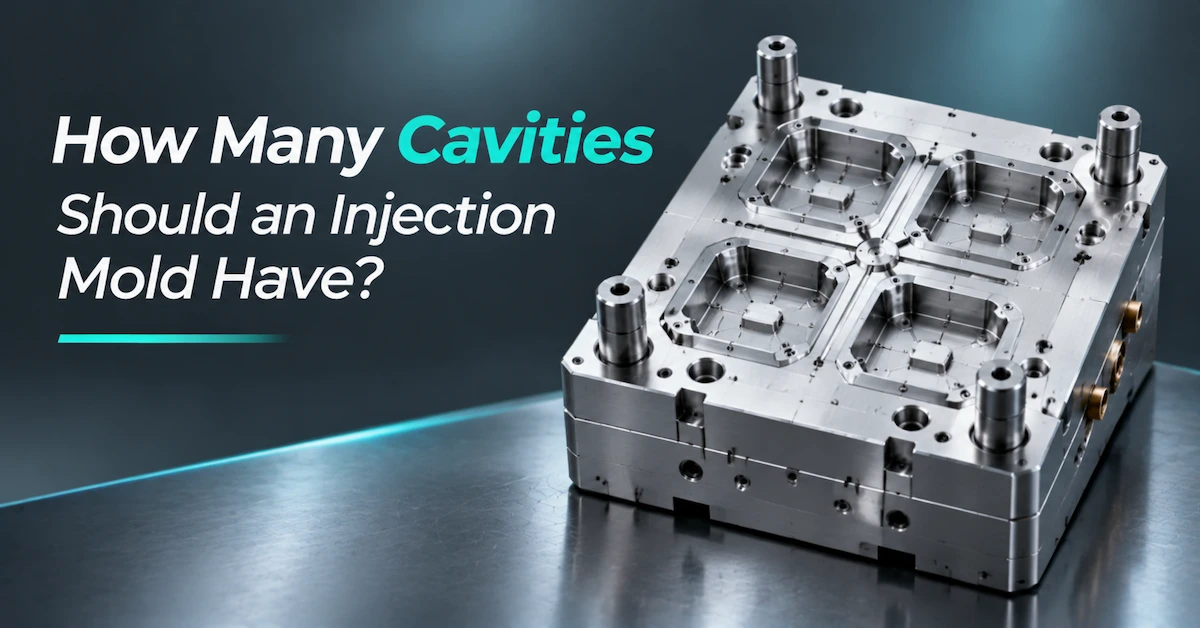
Molding cost is driven by material consumption, machine time, cycle time, labor, setup, scrap, inspection, secondary operations, packaging, volume, and production scheduling. Cavity count can reduce the molding cost per part at sufficient volume, but it can increase initial tooling cost and make cavity balance, maintenance, and correction more demanding. A lower unit price is not automatically the lowest total cost if the volume forecast is uncertain.
A clear understanding of molding vs tooling helps buyers compare quotations correctly: a mold is generally a one-time production asset, while molding is the recurring service of using that asset to produce approved parts.
| Cost item | Usually belongs to tooling | Usually belongs to molding | What to clarify in the quote |
|---|---|---|---|
| Engineering | DFM, mold concept, detailed design, steel and mechanism review. | Process setup, parameter development, inspection plan, and production launch. | Is the engineering one-time, included in unit price, or charged after a change? |
| Material | Mold steel, inserts, standard components, electrodes, and surface treatment. | Resin or silicone, colorant, additives, purge, packaging, and approved regrind. | Which exact grade, supplier, certificate, and quantity are included? |
| Trials | Tool assembly, movement checks, mold corrections, and tool-side rework. | Trial material, machine time, process setup, samples, and inspection records. | How many trials and correction rounds are included, and what ends the quoted scope? |
| Production | Usually not a recurring tooling charge after acceptance. | Machine cycle, labor, quality control, secondary operations, and packing. | What are MOQ, unit price basis, setup charges, and change-control rules? |
| Future support | Maintenance, spare inserts, repairs, transfer documents, and modifications. | Repeat orders, process monitoring, inspection, packaging, and delivery. | Who pays for storage, maintenance, repair, and future engineering changes? |
Never compare a tool-only quote with a full molding-and-delivery quote as if they were equivalent. Normalize the scope first. Request the cavity count, mold base, runner, steel, surface finish, trials, inspection, packaging, shipping, taxes, spare parts, and ownership terms. Then separate one-time tooling cost from recurring part cost and any minimum order obligation.
Which Supplier Do You Need: Toolmaker, Molder, or Both?
The right supplier model depends on the buyer's deliverable and supply-chain plan. A toolmaker may be appropriate when the buyer already has a molding site and needs a mold built for a known machine. A molder may be appropriate when the buyer needs finished parts and prefers the supplier to provide or control the mold. A combined mold-and-molding partner can reduce handover risk when the same team designs the tool, runs trials, and produces the first parts.
Choose a Tooling-Focused Supplier When
- The buyer owns the production process or has a separate contract molder.
- The mold must be designed for a specific machine, factory, or regional transfer.
- The main deliverable is a production-ready tool, not ongoing part supply.
- The buyer needs clear tool ownership, design files, spare parts, and maintenance documentation.
- The process will be validated by another plant after tool acceptance.
Choose a Molding Supplier When
- The buyer needs inspected, packed, and delivered plastic or silicone parts.
- The supplier is expected to manage material preparation, machine setup, process control, and repeat orders.
- The buyer does not want to operate or maintain the mold directly.
- Unit cost, MOQ, packaging, and delivery are more important than receiving the physical tool.
Choose a Combined Partner When
- The product is still moving from design review into tooling and production.
- DFM decisions, tool construction, trial samples, and part approval must be coordinated.
- The buyer wants one responsibility chain for tool corrections and early production problems.
- The project may need plastic molding, silicone molding, CNC support, or OEM/ODM development in the same program.
A combined partner does not remove the need for written boundaries. The buyer should still identify who owns the mold, who approves design changes, who releases parts, who pays for corrections, where the mold is stored, and what happens if production moves to another supplier.
How the Difference Changes an RFQ
The RFQ should use separate sections for the part, the tool, and the production service. This makes quotations comparable and allows the buyer to award only the scope actually needed. It also makes the supplier's assumptions visible before the project reaches steel cutting.
Information for a Tooling RFQ
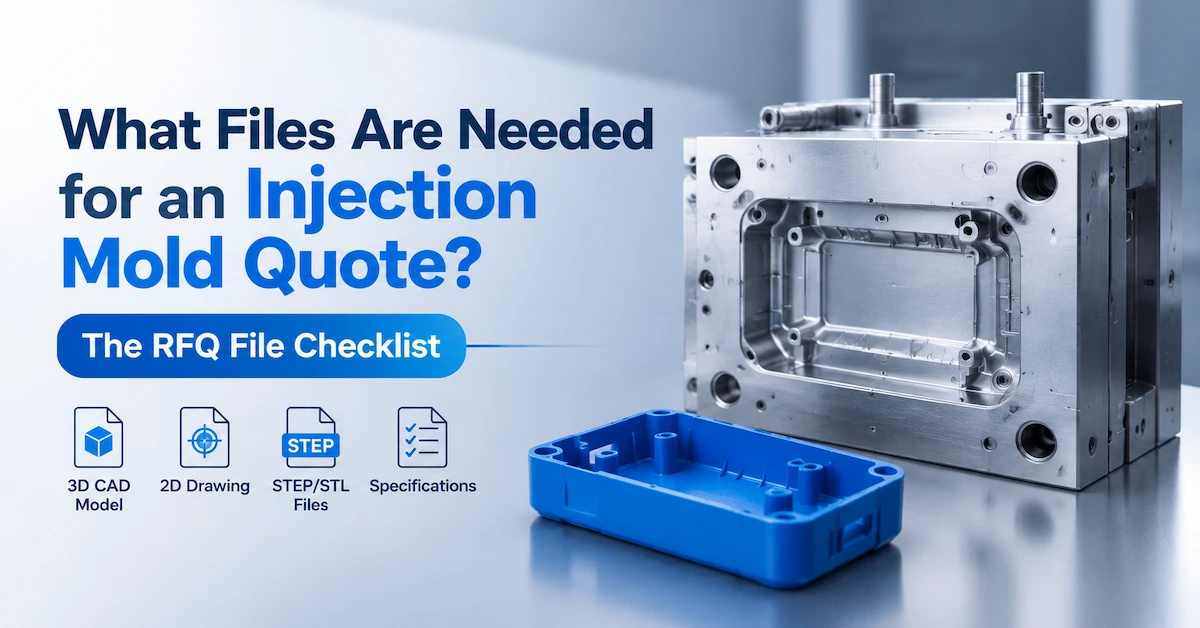
- Controlled 3D CAD, 2D drawing or model-based definition, revision, units, and critical dimensions.
- Material grade, filler, color, shrinkage data, texture, polish, and cosmetic requirements.
- Annual volume, peak volume, expected tool life basis, cavity target, and machine destination.
- Parting-line limits, gate restrictions, ejector mark limits, undercuts, slides, lifters, and inserts.
- Required steel or performance basis, surface treatment, corrosion needs, and spare-part expectations.
- T0, T1, or final sample requirement, inspection method, correction rounds, and approval criteria.
- Ownership, engineering data, storage, maintenance, transfer, packaging, and delivery requirements.
Information for a Molding RFQ
- Part number, approved material and color, forecast, launch quantity, MOQ, and reorder pattern.
- Target machine or part process, expected cycle, cavity output, and allowable scrap or rework.
- Dimensions, appearance standard, assembly fit, functional tests, and sampling or inspection frequency.
- Secondary operations, labeling, packaging, palletization, shipping destination, and delivery schedule.
- Material certificates, lot traceability, process records, first-article data, and change-notification rules.
When both scopes are required, ask for a line-item quotation. A useful quotation separates mold engineering, mold manufacture, trial molding, inspection, corrections, production setup, part price, packaging, logistics, and taxes. It should state whether the quoted schedule ends at assembled tooling, first samples, approved samples, or delivered production parts.
DX Molding's published services workflow describes requirements and file review, DFM and manufacturing-risk assessment, quotation and production-plan confirmation, mold design and machining, trial molding and inspection, sample approval, production, packaging, and delivery. For a project review, the buyer should provide the same inputs that make those stages actionable: CAD, drawings, material, quantity, tolerance, finish, mating parts, and target milestones.
Tooling Quality Is Not the Same as Molding Quality
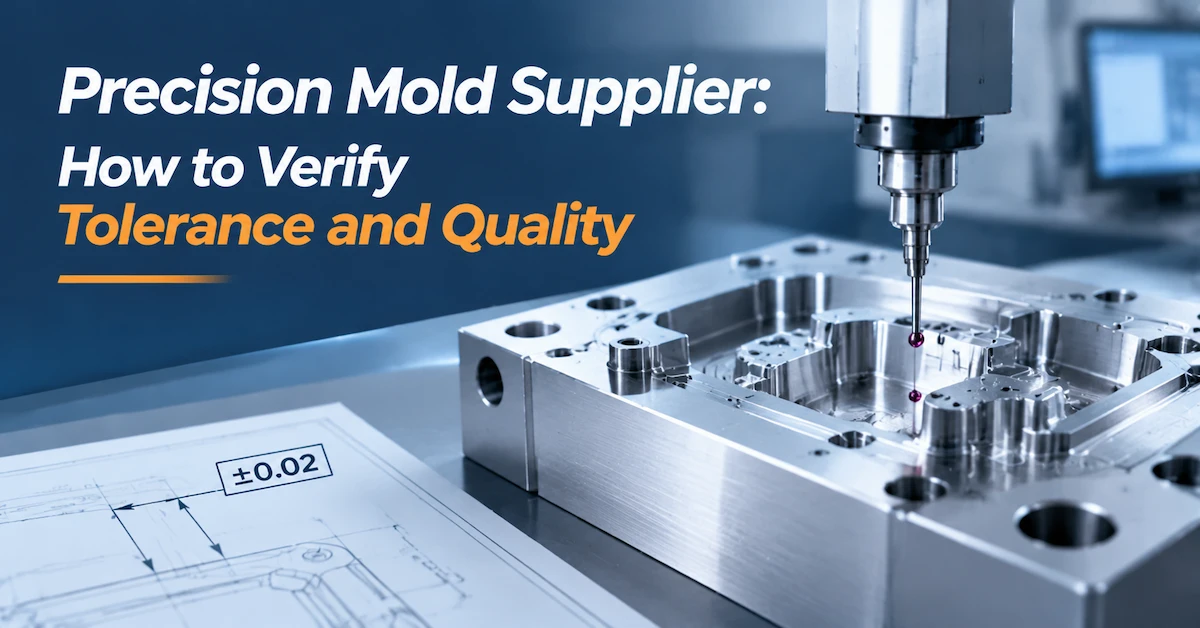
A mold can be dimensionally correct and still produce poor parts if the material, machine, process, cooling, or inspection is not controlled. Conversely, a skilled molding process cannot permanently correct a badly designed cavity, unsupported shutoff, poor cooling layout, or unsuitable ejection system. Tooling quality and molding quality are related but need different evidence.
| Quality question | Tooling evidence | Molding evidence |
|---|---|---|
| Does the geometry match? | Tool inspection, cavity/core measurements, steel corrections, and approved mold design. | Part dimensional report, datum method, sampling plan, and assembly check. |
| Will the part release? | Draft, parting, shutoff, ejection, slides, lifters, and movement checks. | Release observation, marks, drag, whitening, cracking, and cycle repeatability. |
| Will appearance be acceptable? | Gate, vent, polish, texture, parting line, weld-line, and cooling strategy. | Color, gloss, texture, flow marks, burn, sink, flash, and approved visual standard. |
| Will dimensions remain stable? | Cooling layout, steel support, cavity balance, and repair condition. | Material batch, drying, process settings, machine condition, temperature, and sampling records. |
| Can the project be maintained? | Spare parts, wear surfaces, maintenance access, drawings, and transfer documentation. | Process window, inspection method, change control, and production troubleshooting. |
For this reason, a mold trial should not be reduced to “the tool opened and a part came out.” The trial should show whether the mold forms and releases the feature, whether the process fills and packs the part, whether critical dimensions and appearance are acceptable, and whether the correction path is understood. DX Molding's public support information describes trial reports, inspection, sample approval, and production quality support as project activities; the exact reports and limits should be written into the purchase scope.
Ownership, Transfer, and Responsibility
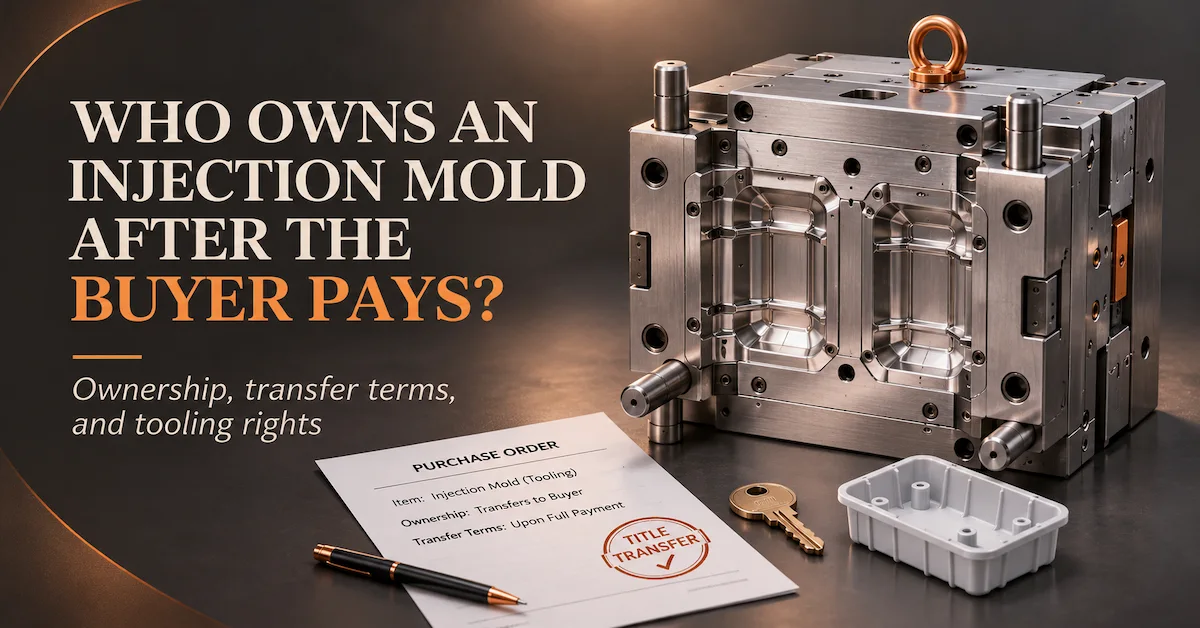
Tooling ownership and molding responsibility are separate commercial questions. A customer may pay for a mold but have the supplier operate it. A supplier may build a mold and send it to the customer's nominated factory. A customer may purchase parts while the supplier retains the mold for production. All of these models can work if the contract defines the boundaries.
Tool Ownership Questions
- Who owns the physical mold after payment and after final approval?
- Who owns the mold design, drawings, BOM, electrodes, inspection data, and change history?
- Who may authorize modifications, and who pays when the product revision changes?
- Where is the mold stored, and how are maintenance, rust prevention, and periodic checks handled?
- Can the buyer transfer the mold to another molding plant, and what handover documents are included?
- What spare inserts, wear parts, sensors, and maintenance tools are supplied?
Molding Responsibility Questions
- Who approves the production process and the first article?
- Who purchases and traces the resin or silicone?
- Who owns process parameters and is notified of a material, machine, or subcontractor change?
- Who performs dimensional, appearance, functional, and packaging inspections?
- Who decides whether a nonconforming batch is reworked, sorted, scrapped, or released?
These questions become especially important when the tool moves between countries or factories. A transfer package may need mold drawings, machine interface information, cooling and hydraulic diagrams, spare-part lists, process settings, sample standards, inspection records, and a physical handover checklist. A tool without usable documentation may be legally owned but operationally difficult to use.
Common Misunderstandings About Molding and Tooling
“The Mold Is the Product.”
The mold is a production asset, not usually the final product sold to the end user. It creates a geometry that still depends on resin, machine, process settings, cooling, ejection, inspection, and packing. When the buyer needs finished parts, the molding scope must be purchased and approved separately.
“Molding and Mold Making Are the Same Service.”
They may be offered by the same company, but mold making means designing and manufacturing the tool. Molding means operating a production process to make parts. A supplier can perform one, the other, or both. Ask for the specific deliverable rather than relying on the company description.
“A Higher Tool Price Always Produces Better Parts.”
Not necessarily. A higher price may reflect higher steel, more cavities, a hot runner, more mechanisms, extra trials, or more documentation. Those features may be justified, but quality still depends on design suitability, machining, fitting, process development, inspection, and maintenance. The buyer should compare technical scope and evidence, not price alone.
“A Molded Sample Proves the Tooling Is Finished.”
A sample proves that some combination of tool, machine, material, and process produced a part. It does not automatically prove dimensional stability, cavity balance, tool life, production repeatability, assembly performance, or transfer readiness. Define the approval criteria before the trial.
“Tooling Cost Is the Only One-Time Cost.”
Engineering changes, texture, special components, electrodes, trial material, inspection, additional correction rounds, packaging, shipping, and taxes may be separate. Ask the supplier to identify inclusions, exclusions, assumptions, and change triggers.
How to Explain the Difference to a Purchasing Team
A simple internal purchasing rule is to label every line item as one of four types: tool asset, engineering service, molding service, or logistics and support. This vocabulary makes it easier for engineering, procurement, quality, and finance to review the same quotation without assuming that one word covers all responsibilities.
| Internal label | Examples | Approval owner | Typical release evidence |
|---|---|---|---|
| Tool asset | Mold base, core, cavity, inserts, runners, cooling, ejection, slides, lifters. | Tooling engineering and procurement. | Tool design approval, mold inspection, trial movement, ownership record. |
| Engineering service | DFM, Mold Flow when justified, design changes, process review, correction planning. | Product engineering and quality. | DFM report, approved change list, risk closure, technical sign-off. |
| Molding service | Material, machine time, setup, injection cycle, inspection, assembly, reorders. | Manufacturing, quality, and supply chain. | Approved sample, process record, inspection report, production release. |
| Logistics and support | Packaging, shipping, storage, maintenance, transfer, spare parts, after-sales response. | Operations and procurement. | Packing standard, shipping documents, maintenance plan, support contacts. |
This structure also helps when a project changes direction. An OEM may start with prototype molding, move to a production mold, and later transfer the tool to another plant. Separate labels make it clear which costs are sunk, which documents must move, and which process responsibilities need to be requalified.
Frequently Asked Questions
What Is the Difference Between Molding and Tooling?
Molding is the process of producing a part from plastic, silicone, or another material. Tooling is the mold, die, insert, fixture, and related hardware used to create the part. In injection molding, the mold is one type of tooling, while molding includes the machine, material, process parameters, inspection, and production handling.
Is an Injection Mold the Same as Tooling?
An injection mold is a type of tooling. “Tooling” is the broader term and may include the mold, inserts, electrodes, fixtures, gauges, spare parts, and documentation. In a specific quotation, ask the supplier to define what the word includes.
Does Molding Include the Cost of the Mold?
Not automatically. Some suppliers quote molded parts with a separate tooling charge; others amortize tooling into the unit price or retain the mold as a production asset. The buyer should request separate one-time tooling and recurring molding prices unless the commercial model is intentionally different.
Can One Company Provide Both Tooling and Molding?
Yes. A combined supplier can design and build the mold, perform trials, and produce parts. This may simplify communication and early correction, but the buyer should still define tool ownership, process approval, inspection, production scope, and transfer rights.
What Should Be Included in a Tooling Quotation?
The quotation should identify the mold structure, cavity count, steel or material basis, runner and gate system, cooling, ejection, mechanisms, surface finish, standard components, trials, inspection, correction rounds, spare parts, delivery, ownership, maintenance, exclusions, and assumptions. It should also identify the milestone that ends the quoted schedule.
What Should Be Included in a Molding Quotation?
A molding quotation should identify the material and grade, color, part price basis, cavity output, cycle assumptions, MOQ, setup, inspection, secondary operations, packaging, shipping, production schedule, change control, and material traceability. If tooling is included, it should be listed separately from the recurring part price.
Why Does the Distinction Matter for Quality?
Tooling quality concerns geometry, steel, movement, cooling, ejection, and maintainability. Molding quality concerns material, machine, process parameters, inspection, appearance, dimensions, function, and repeatability. A project needs evidence for both because a good mold cannot compensate for an uncontrolled process, and a good process cannot fully correct a defective tool.
Who Owns the Mold When the Supplier Makes the Parts?
Ownership depends on the agreement. The purchase order should state who owns the physical mold, design files, inspection data, spare parts, and future modifications. It should also define storage, maintenance, transfer, permitted use, and the process for releasing the tool to another site.
Does Tooling Include DFM and Product Design?
It may, but not by default. Some suppliers include DFM, product structure review, and mold design in a development package. Others quote only tool construction from customer-approved CAD. Ask whether DFM, design changes, Mold Flow, prototypes, and engineering support are included or separately charged.
When Should a Buyer Use a Plastic Molding Service?
Use a plastic molding service when you need finished plastic parts, not only the physical mold. This is appropriate when the supplier is expected to manage resin, machine setup, process control, inspection, packaging, and repeat production. Confirm the project material, quality records, MOQ, and delivery requirements before approving the quote.
Conclusion
Molding and tooling are connected but different. Tooling is the physical production asset and its supporting hardware; molding is the process that uses the tool, machine, material, settings, inspection, and handling to produce finished parts. Confusing the terms can lead to incomplete RFQs, non-comparable quotations, unclear ownership, and gaps between mold approval and production release.
For an OEM project, separate the tool asset from the molding service, define the evidence required at each stage, and state who controls design changes, material, process parameters, inspection, maintenance, and transfer. DX Molding's published capabilities cover plastic injection mold design and manufacturing, custom plastic molding, DFM, CNC/EDM processing, trial molding, inspection, packaging, and delivery support. The exact solution should be confirmed against your part geometry, material, volume, machine, appearance, tolerance, and schedule.
For a project-specific review of the mold, molding process, or combined tooling and production scope, send your CAD files, drawings, material requirements, quantity, finish, tolerance, and target delivery milestones to DX Molding. The engineering team can clarify whether your requirement is tool-only, molding-only, or a coordinated mold-and-production project.