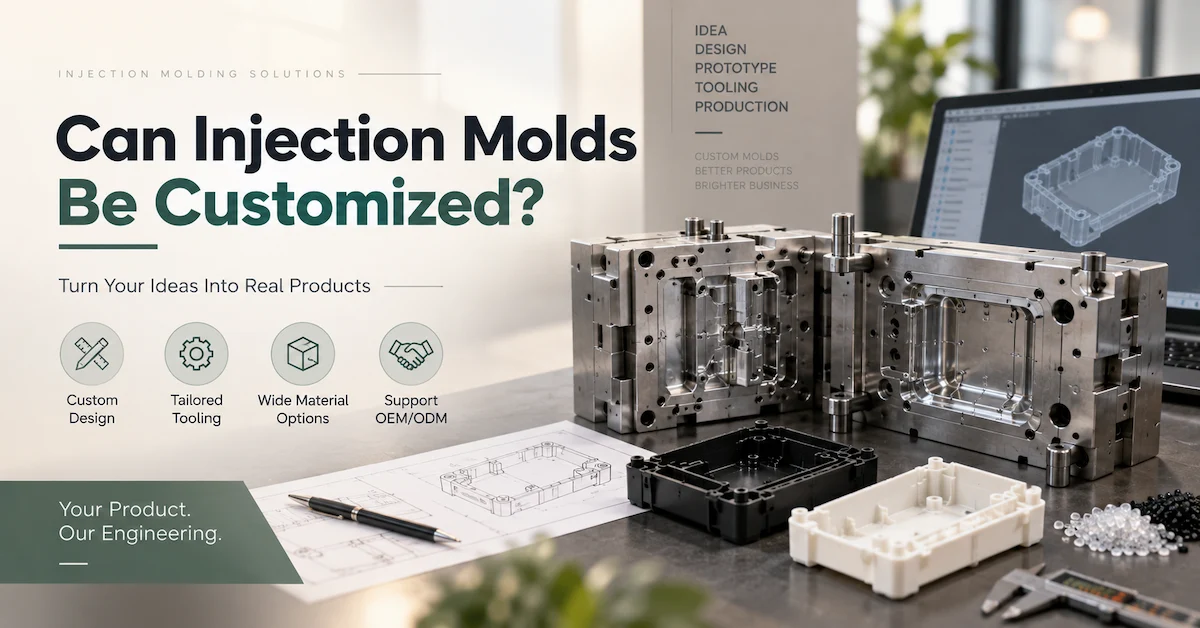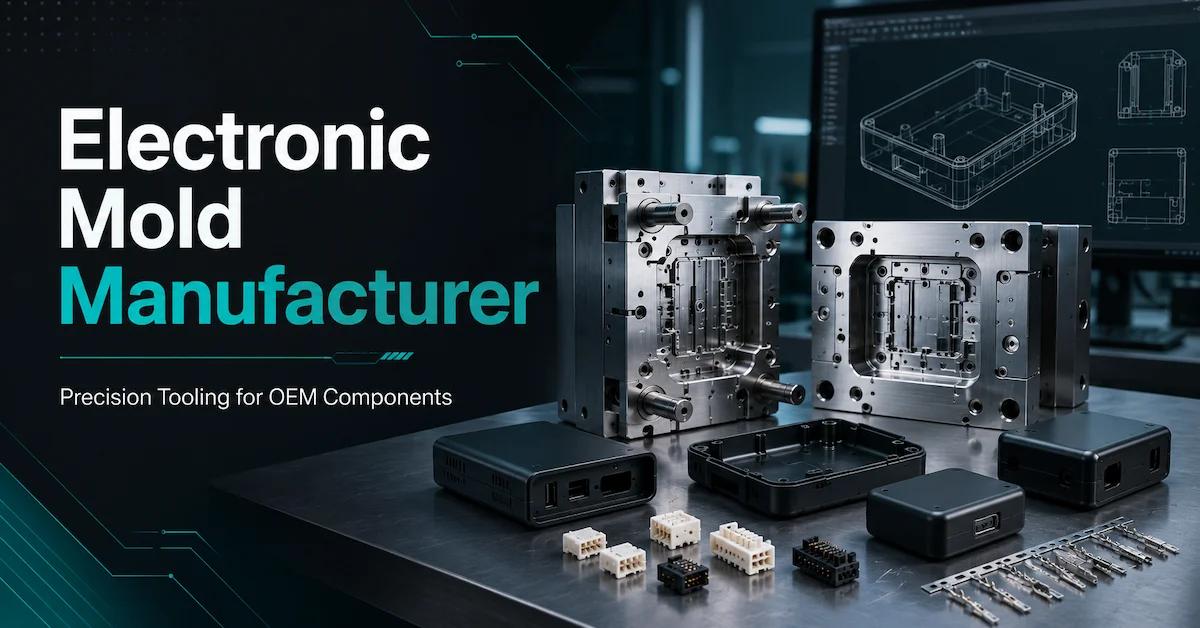
OEM購入者はどのようにしてプラスチック射出成形金型メーカーを選ぶべきか?
プラスチック射出成形金型メーカーを選ぶことは、単なる調達作業ではありません。
OEMプロジェクトの場合、選定するサプライヤーは、製品の製造可能性、金型への投資、サンプルの承認、発売時期、部品の一貫性、金型のメンテナンス、そして発注後何年にもわたる生産の継続性に影響を与える可能性があります。
このため、サプライヤーの選定は、標準部品の購入とは根本的に異なるものとなる。
標準製品の場合、購入者は多くの場合、定められた仕様と単価を比較できます。一方、特注品の場合は、最終仕様の一部がサプライヤーの設計プロセス中に作成されます。
能力の低いサプライヤーは、設計が不必要な成形リスクを生み出す場合でも、元のCADファイルに示されているとおりに正確に製造する可能性がある。
より信頼できるサプライヤーは、鋼材切断前にこれらのリスクを特定し、その結果を説明し、実用的な代替案を提案し、設計製造性(DFM)から金型試作、生産に至るまでプロジェクトが進むにつれてトレーサビリティを維持するべきである。
カスタムプラスチック射出成形金型製造を検討しているOEMバイヤーにとって、中心的な問いは次のとおりであるべきだ。
当社の製品要件を、ライフサイクルリスクを最小限に抑えつつ、信頼性の高い生産ツールへと変換できるサプライヤーはどれでしょうか?
それは、次のような質問よりもはるかに有用な質問です。
どのサプライヤーが金型価格が最も安いですか?
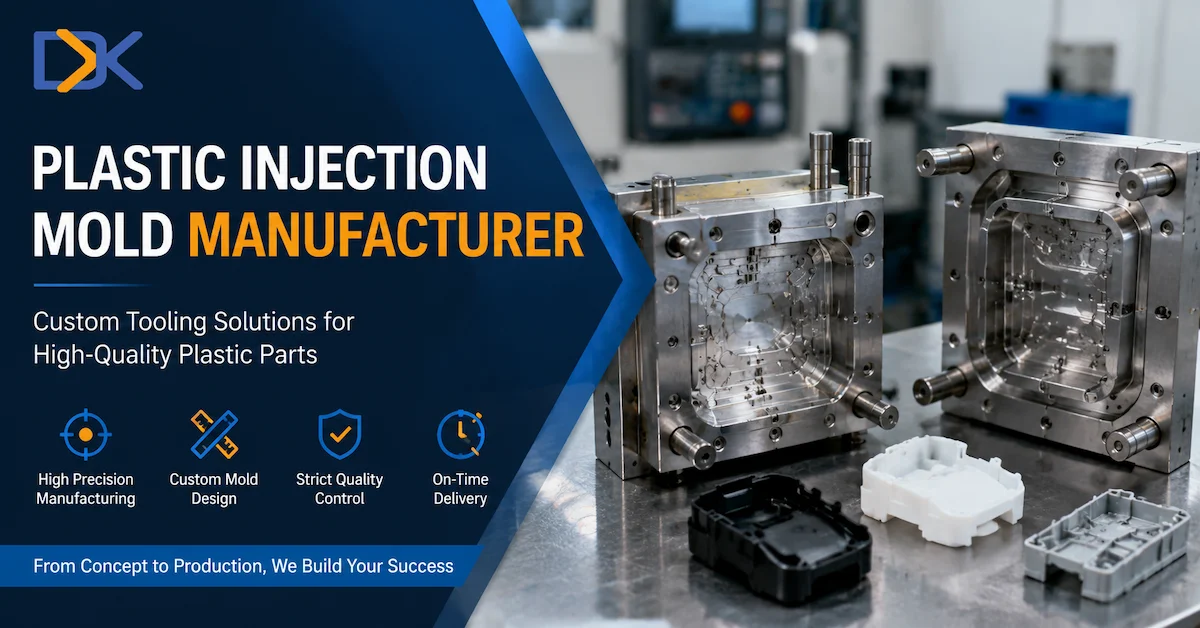
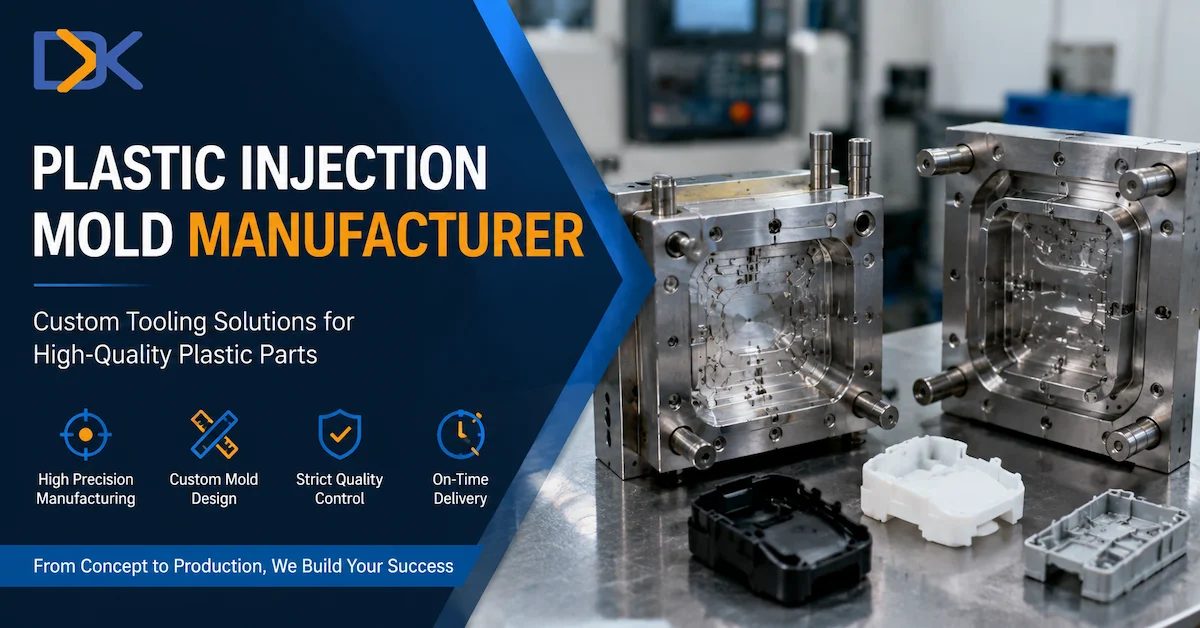
OEM購入者は射出成形金型メーカーを選ぶ際に何を重視すべきでしょうか?
最初の仕入先選定では、いくつかの購買基準に焦点を当てるべきである。
これらの基準は、製造業者がより詳細な技術評価を受けるに値するかどうかを判断するのに役立ちます。
| 選考基準 | 購入者が決定すべき事項 |
|---|---|
| エンジニアリング能力 | サプライヤーは、金型製作前に製造上のリスクを特定できるか? |
| DFM品質 | 推奨事項は、一般的なコメントとして提示されるのではなく、技術的な観点から説明されていますか? |
| 金型設計能力 | 供給業者は、ゲート、冷却、排出、ランナー、および機構の選択について正当な理由を説明できますか? |
| 製造管理 | CNC加工、放電加工、フィッティング、組立、検査は体系的に管理されていますか? |
| 検証プロセス | 最初の試作から承認された製品版ツールに至るまでの明確な道筋はありますか? |
| 質の高いエビデンス | 供給業者は、重要な寸法がどのように測定され、管理されているかを実証できますか? |
| 商業上の透明性 | 見積書には、鋼材、空洞、ランナー、試作、納品物が明確に記載されていますか? |
| 変更管理 | CADデータの修正、金型の変更、承認は追跡可能ですか? |
| ライフサイクルサポート | サプライヤーは、メンテナンス、改造、スペアパーツ、または金型移管をサポートできますか? |
| コミュニケーション | 工学に関する質問には、明確かつ一貫した回答がなされていますか? |
これらの基準は、選考の枠組みとして使用されるべきである。
次のステップは、サプライヤーが実際にそれぞれの能力を実証できるかどうかを確認することです。
ステップ1:サプライヤーを比較する前に、OEMプロジェクトを定義する
異なる工場が異なる前提に基づいて見積もりを出している場合、サプライヤーの比較は信頼性を失う。
最終見積もりを依頼する前に、プロジェクトの詳細をできる限り明確にしてください。
製品情報
提供する:
- 現在の3D CAD
- 制御された2D描画
- 製品用途
- 嵌合部品
- 材料または候補樹脂
- 表面要件
- 美容関連部位
制作情報
定義する:
- 初期数量
- 年間生産量
- プログラム期間
- 発売予定日
- 予定されている生産場所
工具情報
既知の場合は、以下を定義する:
- 必要な虫歯数
- カビの寿命予測
- 推奨ランナーシステム
- 工具規格
- 成形先
- 機械の制限
品質情報
識別する:
- 重要な次元
- 組み立て要件
- 外見に関する要件
- 検査要件
- 必須報告書
目標は、金型サプライヤーに連絡する前にすべての技術的な決定を下すことではありません。
いくつかの決定事項は共同で策定されるべきである。
しかし、購入者は以下を明確に区別する必要があります。
確認済みの要件
そして
未解決の工学上の問題。
これにより、サプライヤーが密かに異なる前提を用いて、一見同等に見えるが実際はそうではない見積もりを作成することを防ぐことができます。
ステップ2:価格を比較する前に、エンジニアリングの対応を比較する
サプライヤーの能力を示す最も有力な初期指標の一つは、サプライヤーが投げかける質問の質である。
製造業者は通常、以下の点を理解したいと考えるはずです。
- この製品の機能
- 特定の許容誤差が重要な理由
- 化粧面がある場所
- どの特徴が接合部と相互作用するのか
- 年間予想数量はどれくらいか
- 最終的に型が流れ込む場所
STEPファイルを受け取った直後に最終見積もりのようなものを作成するサプライヤーは、事前に話し合われていない前提に基づいている可能性がある。
それは必ずしもその供給業者が不適格であることを意味するわけではないが、購入者は見積もりを他の業者と比較する前に、そうした前提条件を明確にしておくべきである。
因果関係思考を探しましょう
有益な工学的回答としては、次のようなものが考えられる。
現在のボス形状では、外壁にヒケが発生するリスクがあります。ネジの食い込みを維持しつつ、局所的な材料の集中を減らすことをお勧めします。
これは以下よりも価値がある:
上司の対応を修正する必要がある。
最初の応答は次のとおりです。
観察 → 製造リスク → 提案された解決策 → 機能上の制約
その論理は、OEMツーリングプロジェクト全体を通して重要となる。
ステップ3:サプライヤー認定ツールとしてのDFMの評価
DFM(設計製造性)は、金型メーカーが金型発注を受ける前にどのように考えているかを明らかにするため、サプライヤー選定において特に価値があります。
有益なDFMレビューでは、以下の点が検討される可能性があります。
- 下書き
- 壁厚
- 肋骨とボス
- アンダーカット
- 金型開口方向
- パーティングライン
- ゲートオプション
- 射出
- 沈没リスク
- 反りのリスク
- アセンブリ干渉
OEMの購入者は、PDFのページ数に基づいてDFMを評価すべきではありません。
分析結果が意思決定に役立つかどうかを評価する。
義務的な変更と推奨事項を区別する
すべてのDFMコメントが同じレベルのリスクを伴うわけではありません。
プロのサプライヤーは、以下の点を区別する必要があります。
工具製作の実現可能性に関する問題
現在の形状は、変更または追加の機構なしには、提案されている金型構造では製造できません。
強力な製造推奨事項
その部品は成形可能であるかもしれないが、現在の形状では欠陥、メンテナンス、または寸法に関するリスクが増加する。
オプションの最適化
変更によって金型が簡素化されたり、経済性が向上したりする可能性はあるが、製品の製造に必須ではない。
この区別により、購入者はDFMレポートに記載されているという理由だけで、不必要な変更を承認することを防ぐことができる。
デザインが変更されなかった場合はどうなるのかを尋ねてください。
これは、OEMエンジニアリングチームが問いかけるべき最も有用な質問の一つです。
サプライヤーは、元の形状を維持することが以下の点に影響を与える可能性があるかどうかを説明できる必要があります。
- 金型コスト
- 部分的な外観
- ツールの複雑さ
- サイクルタイム
- 生産安定性
- メンテナンス
DFM(製造性設計)は、設計上の選択と製造上の影響を結びつけることで、商業的に有用なものとなる。
ステップ4:同じ基準で提案された金型仕様をレビューする
DFM(設計製造性)評価の後、サプライヤーの比較は、一般的な能力評価から、実際に提案されたツールの評価へと移行すべきである。
価格が似ている2つの見積もりでも、実際には全く異なる金型を指している可能性がある。
同様に、価格が大きく異なる2つの見積もりも、仕様を標準化することで、かなり近い価格になる可能性がある。
少なくとも以下の点を比較してください。
金型鋼
聞く:
- どの鋼材が提案されていますか?
- どの部品にその鋼材が使われていますか?
- なぜそれが生産量と樹脂に適合するのか?
- 摩耗箇所は異なる処理が施されますか?
最も高価な鋼材が必ずしも最良の選択肢とは限らない。
工具鋼は以下に適合する必要があります。
- 樹脂
- フィラー
- 着る
- 腐食
- 表面要件
- 番組のボリューム
虫歯の数
空洞数の増加は生産性の向上につながる可能性があるが、以下の点も増加する可能性がある。
- 金型サイズ
- 初期投資
- 充填バランスの複雑さ
- 冷却要件
- 検証作業
供給業者は、生産要件に基づいてキャビティ数を正当化する必要がある。
ランナーシステム
見積書に以下の内容が含まれているか確認してください。
- コールドランナー
- ホットランナー
- 特定のホットランナー構成
2つのサプライヤーが異なるシステムを提案する場合、長期的な生産経済性を考慮せずに金型価格を比較すべきではない。
金型ベースおよび構成部品
レビュー:
- 金型ベース規格
- ガイドコンポーネント
- 射出部品
- スライド
- リフター
- 標準部品
- スペアパーツ
これらの決定は保守性に影響を与える。
トライアルの範囲
見積もりに以下が含まれているか確認してください。
- 初回試験
- 追跡試験
- サンプル量
- 材料
- 寸法検査
- 変更範囲
金型価格が安く、検証が不十分な場合、後々追加コストが発生する可能性がある。
ステップ5:証拠に基づいて金型設計能力を検証する
前述のセクションでは、購入者が何に注目すべきかを定義しました。
このセクションでは、別の質問に答えます。
サプライヤーが実際にその能力を持っていることをどのように証明しますか?
次のような記述だけに頼ってはいけません。
当社には20年の金型製造経験があります。
サプライヤーが実際の金型設計にどのように取り組むのか、確認を求めてください。
ゲートとランナーのレビュー
供給業者に説明を求めてください。
- 提案されているゲートの位置
- ゲートタイプ
- ランナー構成
- ゲート痕跡が予想される
- 溶接線に関する潜在的な懸念
分かりやすい説明では、ゲート決定と実際の製品要件を結びつけるべきである。
冷却レビュー
聞く:
- 主なホットスポットはどこですか?
- 深部核はどのように冷却されるのか?
- 冷却ムラは反りに影響を与える可能性があるか?
- 冷却設備はメンテナンスのためにアクセス可能ですか?
冷却品質は、金型の長期的な性能に大きく影響する。
射出レビュー
その部品がどのようにリリースされるのかを尋ねてください。
以下の点を考慮してください。
- 下書き
- 深い肋骨
- 美容関連部位
- エジェクターの位置
- 解放力
- 潜在的変形
スライドとリフター
可動機構が必要な場合は、以下を尋ねてください。
- なぜそれらは必要なのか?
- 製品を簡素化することは可能だろうか?
- その機構はどのように誘導されるのでしょうか?
- どの表面が摩耗すると予想されますか?
- 重要な部品は交換可能ですか?
目的は、サプライヤーに見積もり時にすべての独自設計の詳細を開示させることではない。
これは、工具の選択が工学的論理に基づいていることを確認するためである。
ステップ6:設備リスト以外の製造能力を検証する
サプライヤーのウェブサイトでは、CNC加工機や放電加工機が頻繁に強調されている。
それらの機械は重要だが、工場が信頼性の高い生産用金型を製造できることをそれ自体で証明するものではない。
OEMの購入者は、製造工程がどのように管理されているかを尋ねるべきです。
CNC加工
サプライヤーが以下の事項をどのように処理するかを確認してください。
- コア加工
- キャビティ加工
- 挿入物
- 金型プレート
- 重要なインターフェース
EDM
EDMが以下の目的でどのように使用されるかを理解してください。
- ディープフィーチャー
- 細い肋骨
- 複雑な幾何学
- 詳細な空洞領域
フィッティング
サプライヤーがどのように検証しているかを尋ねてください。
- 分離面
- 遮断
- スライド動作
- インサートフィット
- コア/キャビティの位置合わせ
組み立て
最終的な金型は、多くの部品を組み合わせたものです。
弱いアセンブリは以下を引き起こす可能性があります。
- フラッシュ
- 運動機能障害
- 射出に関する問題
- 早期摩耗
サプライヤーは、各工程を個別の作業場活動として扱うのではなく、機械加工から最終組み立てまで、管理されたプロセスを持つべきである。
ステップ7:サプライヤーが金型をどのように検証しているかを評価する
魅力的なサンプルがいくつか作られたという理由だけで、金型を承認すべきではない。
OEMの購入者は、そのツールが安定生産に向けて進んでいるという証拠を必要としている。
最初の裁判では何を証明すべきか?
初期の臨床試験で以下のことが明らかになる可能性がある。
- 金型が正しく動作するかどうか
- 虫歯が埋まるかどうか
- 部品が正しく排出されるかどうか
- 外観上の重大な欠陥
- 主要な寸法上の問題
最初の試行は、技術的なチェックポイントとして扱うべきである。
後の裁判では何を証明すべきか?
是正措置後、その後の試験では、以下のような分野での改善が示されるはずです。
- 重要な次元
- 反り
- 外観
- 組み立て
- 射出
- プロセス安定性
サンプル到着前に承認プロセスを定義する
買い手と供給者は、最終承認に必要な要件を理解しておく必要がある。
プロジェクトによっては、以下の内容が含まれる場合があります。
- 管理された図面修正
- 正しい樹脂
- 重要次元レポート
- 外見の承認
- 組み立て確認
- 機能テスト
- 合意されたプロセス条件
「サンプルは良さそうだ」といった曖昧な基準では、多くのOEMプログラムにとって不十分である。
ステップ8:一般的な品質主張ではなく、品質に関する証拠を評価する
ほとんどの金型サプライヤーは、高品質を提供すると主張している。
購入者は、品質が明確に定義され、測定されているという証拠を必要としている。
重要な次元
サプライヤーが、以下に直接影響を与える寸法をどのように特定しているかを尋ねてください。
- 組み立て
- シーリング
- アライメント
- 動き
- 製品機能
これらの寸法は、一般的な形状よりも厳格な検査管理を必要とする場合がある。
寸法レポート
有用な寸法報告書は、以下のことを理解できるようにするべきである。
- 何が測定されたか
- どのサンプルが測定されたか
- 適用された仕様は何か
- 結果が可決されたかどうか
虫歯の識別
複数キャビティの金型の場合、寸法のばらつきが問題となるキャビティごとにサンプルを追跡できるようにする必要があります。
そうでなければ、ある虫歯の治療がうまくいっても、別の虫歯の問題が隠れてしまう可能性がある。
測定方法
重要な寸法については、以下を確認してください。
- 基準点
- 備品
- 楽器
- 部品調整
- 該当する場合の測定タイミング
CMM(三次元測定機)が存在すること自体は、有意義な検査を保証するものではない。
ステップ9:総プロジェクトリスクを用いて見積もりを比較する
価格は依然として重要である。
技術的な範囲が標準化される前に、それが支配的になることを許してしまうのが間違いだ。
有用な引用比較は次のようになるでしょう。
| アイテム | サプライヤーA | サプライヤーB | サプライヤーC |
|---|---|---|---|
| 金型鋼 | 定義済み | 定義済み | 不明 |
| 虫歯 | 2 | 2 | 2 |
| ランナー | 寒い | 寒い | 寒い |
| DFM | 含まれる | 含まれる | 限定 |
| 金型設計レビュー | 含まれる | 含まれる | 不明 |
| 裁判 | T0/T1 | 必要に応じて複数個 | T0のみ |
| 寸法レポート | 含まれる | 含まれる | 余分な |
| スペアパーツ | 定義済み | 定義済み | 記載なし |
| 変更範囲 | 定義済み | 定義済み | 不明 |
| 金型転写サポート | 利用可能 | 利用可能 | 不明 |
この種の表は、見積もり価格が異なる理由を明らかにするのに役立つことが多い。
不明確な範囲のコストを計算する
より安価な供給業者が除外するもの:
- 追加トライアル
- 金型の変更
- 検査
- スペアパーツ
- 文書
最終的なプロジェクト費用は、当初の節約額を超える可能性があります。
したがって、OEM購買チームは以下を分離すべきである。
見積もられた工具価格
から:
想定される工具総費用
ステップ10:変更管理規律を確認する
OEM製品は開発過程でしばしば進化する。
製品は以下を受け取る可能性があります。
- 更新された寸法
- 改訂版クリップ
- 新しい組み立て機能
- 美容整形
- 材料の変更
改訂管理が行われていないと、誤った形状に基づいて金型が製造される可能性がある。
サプライヤーがどのように管理しているかを尋ねてください。
- CADの改訂
- 図面の修正
- DFMの承認
- 金型設計の変更
- スチールの変化
- 試験的な変更
簡単なプロジェクトログがあれば、高額な混乱を防ぐことができる。
設計凍結は特に重要です
大規模な鋼材切断作業を行う前に、以下を確認してください。
- 製品改訂
- 材料
- 主要なDFM決定
- 重要な次元
- 美容上の要件
- ツール仕様
変更は後からでも起こり得る。
デザイン凍結の目的は、それらを禁止することではない。
これにより、既知の基準値が確立され、スケジュールとコストへの影響を適切に評価できるようになります。
ステップ11:ツール承認前に生産戦略を評価する
OEMバイヤーの中には、ツールのみを購入する企業もあります。
成形部品の製造も同じサプライヤーに依頼したいと考える企業もある。
この決定は、評価すべき対象を変えるものである。
工具のみのプロジェクト
優先順位:
- 金型転写適合性
- マシンインターフェース
- 冷却接続
- 文書
- スペアパーツ
- 試験パラメータ
ツーリングプラス部品生産
また、以下も評価してください。
- 樹脂制御
- 成形プロセス
- 工程内検査
- 繰り返し生産
- パッケージ
- 供給継続性
カスタムプラスチック部品の製造へと続くプロジェクトの場合、金型開発と成形を同一の製造ワークフロー内で行うことで、金型チームと生産チーム間のフィードバックを簡素化できます。
だからといって、単一サプライヤーによる生産が必ずしも最善の戦略になるとは限らない。
購入者は以下の点に基づいて選択する必要があります。
- 地域サプライチェーン
- 配送
- 既存の成形能力
- 品質管理
- プログラム経済学
ステップ12:見積もりを提示した会社を評価する
サプライヤーの評価には、工具技術だけでなく、組織の安定性やコミュニケーション能力も含まれるべきです。
レビュー:
- 会社沿革
- 製造業に重点を置く
- エンジニアリング組織
- 品質プロセス
- 輸出支援
- コミュニケーションの対応力
OEMプロジェクトには、繰り返し行われる技術的な意思決定が伴う。
サプライヤーが優れた設備を持っていても、技術部門間のコミュニケーションが不十分であれば、プロジェクトのリスクを生み出す可能性がある。
DX Molding社の製造実績と企業能力は、同社のプロフィールが自社のプロジェクト要件に合致するかどうかを評価する購入者にとって、参考となる情報を提供する。
「会社概要」ページを確認する目的は、マーケティング上の主張をすべて鵜呑みにすることではありません。
これは、技術的および商業的な議論の中で検証可能な情報を特定するためである。
OEMバイヤーが調査すべきサプライヤーの危険信号
警告サインが一つだけ出たからといって、自動的にサプライヤーを不適格と判断することはできない。
しかし、いくつかのパターンについては、より詳細な検討が必要である。
要件が理解される前に最終価格が提示される
迅速な見積もりは役に立つ。
最終的なエンジニアリング見積もりには、通常、以下の点が反映されている必要があります。
- 材料
- 音量
- 重要な次元
- 金型仕様
- 表面要件
お客様のデザインはすべて「問題ありません」
経験豊富な金型エンジニアは、通常、トレードオフを見極めることができる。
製品の形状に一切疑問を呈さないサプライヤーは、意味のあるDFM(製造性設計)を実施していない可能性がある。
供給業者は金型設計について説明できない
プロジェクトを発注する前に、すべてのCADデータの詳細が必要なわけではありません。
しかし、供給業者は意図するところを説明できなければならない。
- ゲート
- ランナー
- 冷却
- 射出
- 主なメカニズム
構造について議論することなく、工具の寿命が保証される
以下の点を議論せずにショット数に関する約束をしても、ほとんど意味がない。
- 鋼鉄
- 樹脂
- フィラー
- 摩耗メカニズム
- メンテナンス
明確な治験受理プロセスが存在しない
買い手と供給者の間で承認の定義について合意が得られない場合、後々商業上の紛争が発生する可能性がある。
金型の所有権および譲渡条件は曖昧である
明らかにする:
- 所有
- ストレージ
- 移行
- 文書
- スペアパーツ
金型発注を行う前に。
実用的なOEMサプライヤー評価スコアカード
調達チームは、価格だけで選ぶのではなく、加重スコアを使用することができます。
| 評価対象領域 | 推奨体重 |
|---|---|
| エンジニアリングとDFM | 20% |
| 金型設計 | 15% |
| 製造能力 | 15% |
| 品質と検証 | 15% |
| 商業上の透明性 | 10% |
| プロジェクトコミュニケーション | 10% |
| ライフサイクルサポート | 10% |
| 価格競争力 | 5% |
重み付けは調整可能です。
例えば、単純な少量生産部品であれば、コストをより重視する理由が正当化される場合がある。
自動車の長寿命化プログラムでは、以下の点に重点を置く可能性があります。
- 再現性
- 文書
- メンテナンス
- 工具寿命
重要な点は、価格は体系的な意思決定における一つの要素であるべきだということだ。
射出成形プロジェクトを発注する前に尋ねるべき質問
サプライヤーの承認前に、プロジェクトが実際にどのように管理されるのかを明らかにする質問をしてください。
エンジニアリング
- どのようなDFMレビューが含まれていますか?
- 誰がレビューを実施するのか?
- 製品の変更はどのように承認されるのですか?
- 現在、どのようなリスクを懸念していますか?
ツーリング
- どのような鋳型鋼が提案されていますか?
- なぜこの虫歯数を推奨するのですか?
- どのランナーシステムが提案されていますか?
- スライド装置やリフターは必要ですか?
- どの部品が摩耗すると予想されますか?
製造業
- どのプロセスが内部的に制御されていますか?
- 金型の重要な寸法はどのように検査されますか?
- 金型の嵌合はどのように管理されますか?
検証
- 計画されている治験の順序は何ですか?
- どのような報告書が提供されますか?
- 工具の問題によって生じた変更費用は誰が負担するのか?
- 最終承認とは何によって定義されるのか?
コマーシャル
- その型は誰が所有しているのですか?
- どのような文書が提供されますか?
- そのツールは譲渡可能ですか?
- 付属するスペアパーツは何ですか?
- 出荷後のサポートはどのようなものがありますか?
これらの質問に正確に答えられるサプライヤーは、買い手にとってより明確な比較基準を提供する。
OEM金型の見積依頼書には何を含めるべきですか?
構造化された見積依頼書(RFQ)は、見積書の質とサプライヤーの評価の両方を向上させる。
ファイル
提供する:
- STEPまたはその他の使用可能な3D CAD
- 2D図面
- 該当する場合は、接合部品のデータも記載してください。
製品要件
定義する:
- 樹脂
- 色
- テクスチャ
- 化粧面
- 重要な次元
- 機能要件
生産要件
提供する:
- 年間生産量
- プログラムライフサイクル
- 発射目標
- 生産拠点
工具要件
該当する場合は、以下を指定してください。
- 空洞ターゲット
- ランナーの好み
- カビの寿命
- 推奨規格
- 成形先
品質要件
定義する:
- サンプル承認
- 寸法レポート
- 必須テスト
- 文書
商業上の要件
明らかにする:
- カビの所有権
- 支払いマイルストーン
- 納品範囲
- 変更責任
- 配送要件
優れた見積依頼書は、技術的な議論を妨げるものではない。
それは、その議論のための共通の基準点を作り出す。
DX成形が評価フレームワークにどのように適合するか
この記事は、特定の能力を謳っているという理由だけで、買い手がサプライヤーを選ぶべきだと示唆するものではありません。
DX成形についても、上記と同じ基準を用いて評価すべきである。
公開されているツール範囲には、以下のような分野が含まれます。
- DFMサポート
- 金型設計
- CNC加工
- EDM
- 金型嵌め
- 試作成形
- 寸法検査
- 工具の変更
OEM購入者にとって、次の実際的なステップは、これらの機能を以下と比較することです。
- 製品の複雑性
- 樹脂
- 年間生産量
- 重要な許容誤差
- 美容上の要件
- 成形先
サプライヤーがプロジェクトに適していると言えるのは、その製造モデルがプロジェクトと合致している場合に限られる。
プラスチック射出成形金型メーカー選定チェックリスト
プロジェクトを発注する前に、以下の点を確認してください。
製品定義
- 現在のCAD改訂版が特定されています
- 図面の修正は管理されています
- 樹脂は定義される
- 年間の量は既知である
- 重要な側面が特定される
エンジニアリング
- DFMが見直されました
- 製造上のリスクについて説明します
- 必要な形状変更が承認されました。
- アセンブリインターフェースが理解されている
金型仕様
- 鋼は定義される
- 空洞が定義されています
- ランナーシステムが定義されています
- 金型ベース/コンポーネントが定義されています
- 予想される金型寿命について説明します
金型設計
- ゲート戦略は理解されている
- 冷却コンセプトの見直し
- 射出について検討する
- スライド/リフターは正当化される
検証
- 試験範囲が定義されています
- サンプル承認基準が定義されています
- 重要な寸法が検査されます
- 変更に関する責任は理解されています
商業およびライフサイクル
- カビの所有権は明確です
- ドキュメントの成果物は明確です
- スペアパーツの範囲は明確です
- 転送要件が定義されています
- 長期的な支援は理解されています
このチェックリストは、仕入先選定を主観的な印象から、より再現性の高い購買プロセスへと変革します。
よくある質問
プラスチック射出成形金型メーカーはどのように選べばよいですか?
まず、製品、樹脂、容量、重要寸法、外観要件、金型の用途を明確に定義してください。次に、金型価格だけでなく、DFM(製造性設計)の品質、金型設計、製造管理、検証結果、見積もりの透明性、ライフサイクルサポートに基づいてサプライヤーを評価してください。
射出成形金型サプライヤーを選ぶ際に最も重要な基準は何ですか?
単一の基準はないが、エンジニアリングとDFM(設計製造性)能力は、初期段階での決定が金型コスト、金型の複雑さ、検証作業、生産の安定性に影響を与えるため、多くの場合、最も重要な要素となる。
金型メーカーの技術力の高さを確認するにはどうすればよいですか?
サプライヤーに、DFM(設計製造性)に関する調査結果と、提案するゲート、冷却、排出、ランナー、およびメカニズム戦略について説明を求めてください。経験に基づく一般的な説明ではなく、明確な技術的根拠を求めてください。
射出成形の見積もりを比較するにはどうすれば良いですか?
まず、技術的な範囲を標準化します。鋼材、キャビティ数、ランナーシステム、金型ベース、構成部品、試作、寸法検査、予備部品、文書、変更責任、金型移管要件などを比較します。
最も安価な射出成形金型サプライヤーは、通常、最もリスクが高いのでしょうか?
必ずしもそうとは限りません。競争力のあるサプライヤーでも、技術的に優れている場合があります。リスクは、価格の安さだけで、含まれる内容や仕様が生産要件を満たしているかどうかを確認せずに選択することにあります。
金型プロジェクトの発注前にDFM(設計製造性)が重要な理由とは?
DFM(設計製造性)は、鋼材切断前に、抜き勾配、肉厚、アンダーカット、ヒケ、反り、組立性、および工具に関するリスクを明らかにすることができます。また、購入者は、サプライヤーが製造上の問題にどのように対処するかを早期に評価する機会を得ることができます。
金型試験はいくつ実施すべきか?
決まった回数はありません。適切な試験順序は、製品の複雑さ、金型の変更、寸法、外観上の要件、および検証状況によって異なります。購入者は、試験回数だけに注目するのではなく、各試験で何を証明する必要があるかを明確に定義する必要があります。
射出成形金型は誰が所有すべきか?
所有権は商業契約であり、金型発注前に文書化しておく必要があります。また、生産拠点が移転する場合、購入者は金型の保管場所、譲渡権、図面、文書、および責任範囲についても明確にしておくべきです。
金型製作と射出成形に同じサプライヤーを使うべきでしょうか?
これはエンジニアリングに関するフィードバックや生産移行を簡素化できるが、必ずしも必要というわけではない。購入者は、自社のサプライチェーン、地域生産、物流、製造要件を比較検討する必要がある。
射出成形金型の見積もりを依頼する際に、どのような情報を送れば良いですか?
入手可能な場合は、3D CADデータ、2D図面、樹脂の種類、年間生産量、重要寸法、外観要件、組立情報、金型に関する要件、金型の設置場所、および発売要件を提供してください。
金型費用を支払う前にリスクを軽減するにはどうすればよいですか?
金型発注前に技術レビューを完了してください。DFM(製造性設計)、金型仕様、設計責任、試作範囲、承認基準、金型所有権、変更責任、および成果物について書面で確認してください。
製品デザインがまだ最終決定していない場合は、どうすればよいですか?
サプライヤーに対し、確定済みの要件と未確定の要件を伝えてください。初期段階の技術レビューは開始できますが、設計変更が管理されていない状態で鋼材の切断作業を進めてはいけません。
結論
OEMプロジェクト向けのプラスチック射出成形金型メーカーを選ぶ際には、価格だけでなく、技術的な根拠、金型仕様、検証体制、商業的な透明性、ライフサイクルリスクなどを総合的に考慮する必要があります。
新しい金型製作プログラムのサプライヤーを比較検討する場合は、CADデータ、図面、樹脂の種類、年間生産量、重要寸法、生産要件などを準備し、図面をプロジェクトレビューのために送付してください。