
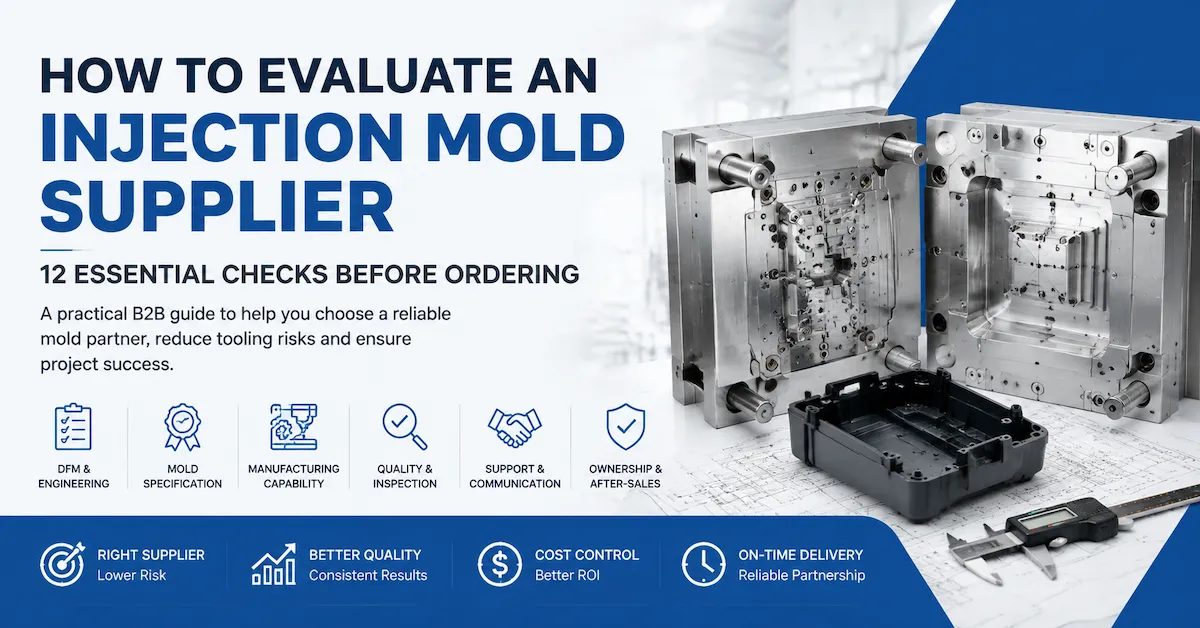
射出成形金型サプライヤーの選択は、「金型の価格が最も安いのはどこですか?」という質問から始めるべきではありません。
より良い質問は次のとおりです。
お客様の部品設計を、合意された生産条件の下で許容可能な部品を繰り返し生産する金型に変換できるサプライヤーはどこですか?
B2B バイヤーにとって、答えは CNC 加工能力以上のものに依存します。信頼できる射出成形金型のサプライヤーは、鋼材を切断する前に製造可能性をレビューし、工具の仕様を定義し、加工と組立を管理し、測定可能な要件に照らして成形サンプルを検証し、変更を文書化し、承認後の金型をサポートできる必要があります。
DongXin の現在のプロジェクト ワークフローは、プロジェクト ファイルのレビュー、DFM と製造リスクの評価、見積と工具の計画、金型の設計と機械加工、試作、検査を経て生産、納品。
このガイドは、調達チーム、製品エンジニア、調達マネージャー、OEM バイヤーに、工具の発注書が発行される前に射出成形金型サプライヤーを評価するための実用的なチェックリストを提供します。
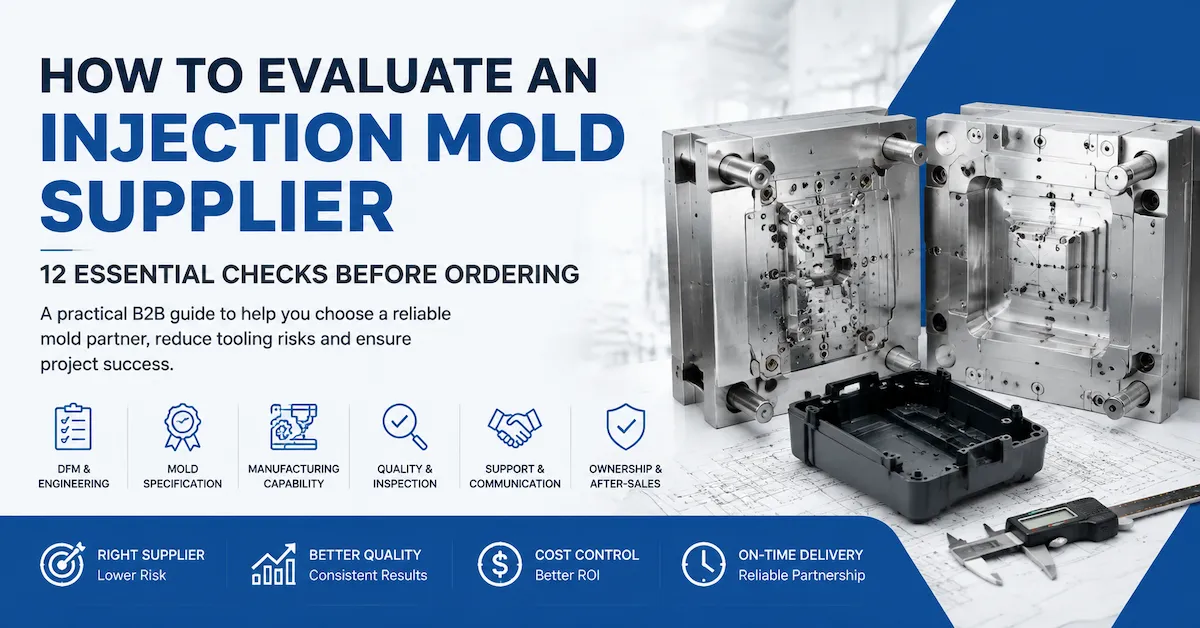
射出成形金型サプライヤーは実際にどのような責任を負うべきですか?
射出成形金型のサプライヤーは、単に鋼鉄を機械加工する会社ではありません。
カスタム プラスチック プロジェクトの場合、サプライヤーはいくつかの技術段階を調整する必要がある場合があります。
- 製品と図面のレビュー
- 製造のための設計 (DFM)
- 金型構造の計画
- 工具鋼の選択
- コアとキャビティの加工
- CNC および EDM 加工
- 金型の取り付けと組み立て
- 冷却および排出設計
- 試作
- サンプル測定
- ツールの変更
- 金型の最終承認
- 本番サポート
- 金型のメンテナンスまたは移送のサポート
正確な範囲は、購入者が工具のみを必要とするか、工具と成形部品の生産の両方を必要とするかによって異なります。
DongXin は現在、エンジニアリング レビューから金型の製造と試用まで、カスタム プラスチック金型をサポートしています。最適化のほか、金型の承認後に成形部品が必要なお客様向けのプラスチック成形も可能です。
引用を比較する前に、その違いを明確にする必要があります。
輸出用金型のみを提供するサプライヤーと、工具と量産を担当するサプライヤーは、2 つのまったく異なるプロジェクト範囲を見積もっている可能性があります。
1.サプライヤーは金型を見積もる前に部品をレビューしますか?
これは、購入者が射出成形金型サプライヤーを評価する際に最初に使用する必要があるフィルターの 1 つです。
サプライヤーは、製品の写真と全体の寸法だけからは有意義なツール戦略を開発することはできません。
より正確な RFQ を行うには、次の情報をできるだけ多く準備してください。
| RFQ 情報 | サプライヤーがそれを必要とする理由 | ||
|---|---|---|---|
| 3D CAD / STEP ファイル | 完全な部品形状を理解する | ||
| 2D 図面 | 公差と重要な寸法を特定する | ||
| プラスチック素材 | 収縮と加工要件を評価する | ||
| 年間推定量 | 金型の耐久性とキャビティ戦略を計画する | ||
| 表面要件 | 研磨、テクスチャー、パーティング ラインを計画する | ||
| 色の要件 | サポート資料と外観の計画 | ||
| 組み立て条件 | 機能寸法と嵌合寸法を特定する | ||
| アプリケーション環境 | 温度、化学物質、または負荷の要件を理解する | ||
| 目標数量 | 生産戦略を評価する | ||
| 目標スケジュール | エンジニアリングとツーリングの順序を計画する |
| アイテム | 購入者が確認すべきこと | ||
|---|---|---|---|
| 金型タイプ | プロトタイプまたは生産ツール | ||
| 金型鋼 | プロジェクト固有の材質と硬度 | ||
| キャビティの数 | 単一キャビティまたはマルチキャビティ | ||
| ランナー | ホット ランナーまたはコールド ランナー | ||
| モールド ベース | 指定されたサプライヤーまたは規格 | ||
| ゲート システム | タイプと場所 | ||
| 冷却 | 冷却チャネル戦略 | ||
| 排出 | ピン、スリーブ、リフター、スライダーなど | ||
| 表面 | 研磨、テクスチャーまたはその他の仕上げ | ||
| 本番ターゲット | 予想生産数量 | ||
| スペアパーツ | 同梱または別途引用 | ||
| 金型のトライアル | 明確に定義された数と範囲 | ||
| 検査 | 寸法と外観の要件 | ||
| 変更 | 修正内容 | ||
| 金型の所有権 | 契約上定義 |
| Comparison Item | Supplier A | Supplier B | Supplier C |
|---|---|---|---|
| Mold steel | Check | Check | Check |
| Number of cavities | Check | Check | Check |
| Runner system | Check | Check | Check |
| Mold base | Check | Check | Check |
| Cooling design | Check | Check | Check |
| Production target | Check | Check | Check |
| Critical tolerances | Check | Check | Check |
| Trial scope | Check | Check | Check |
| Inspection reports | Check | Check | Check |
| Spare parts | Check | Check | Check |
| Modification scope | Check | Check | Check |
| Mold packaging | Check | Check | Check |
| Production support | Check | Check | Check |
| Mold ownership | Check | Check | Check |
Only after these items are aligned does the tooling price become meaningful.
A lower quotation may reflect:
- Less expensive tool steel
- A simpler mold structure
- Fewer cavities
- A different runner system
- Fewer mold trials
- Less dimensional inspection
- Fewer spare components
- Different production expectations
- Different acceptance criteria
That does not necessarily make the lower-priced supplier unsuitable.
It simply means the buyer must confirm that the quotations represent equivalent tooling scopes.
For a broader evaluation of factory capability, DFM, tooling strategy and OEM cooperation, buyers can also review our plastic injection mold manufacturer guide.
11. Who Owns the Mold and Engineering Data?
This question is often overlooked during early sourcing.
Before paying a tooling deposit, buyers should clarify:
- Who owns the mold after payment?
- Can the mold be transferred to another factory?
- Who owns the mold drawings?
- Will 2D or 3D mold data be supplied?
- Is a mold BOM available?
- Are spare-part drawings available?
- Can another factory maintain the tool?
- How are engineering changes documented?
- How is an inactive mold stored?
- How long will the mold be stored?
These terms become especially important if production may later move to another injection molding facility.
For Export Molds, Also Confirm
- Mold packaging
- Anti-rust protection
- Lifting provisions
- Cooling connectors
- Mold-base standards
- Electrical connectors
- Hot-runner specifications
- Spare components
- Target molding-machine requirements
- Documentation supplied with the mold
A transferable mold should be designed not only to work at the original supplier's facility, but also to be understandable and maintainable after relocation.
12. Can the Supplier Support the Mold After the First Sample?
Tool approval is not always the end of the project.
During later production, parts may require:
- Dimensional adjustment
- Appearance improvement
- Cycle-time optimization
- Gate modification
- Ejection improvement
- Product design changes
- New inserts
- Replacement components
- Mold repair
- Preventive maintenance
- Refurbishment
- Production transfer
For that reason, supplier selection should consider the expected tooling lifecycle, not only the first T1 sample.
For long-running OEM programs, the ability to maintain and modify a mold may ultimately be more important than a small difference in initial tooling price.
A Practical Injection Mold Supplier Scorecard
Procurement teams can make the selection process more objective by using a weighted supplier scorecard.
| Evaluation Area | Suggested Weight |
|---|---|
| DFM & engineering | 20% |
| Mold design capability | 15% |
| Machining & manufacturing | 15% |
| Quality & inspection | 15% |
| Trial and validation | 10% |
| Technical communication | 10% |
| Cost transparency | 5% |
| Lead-time management | 5% |
| After-sales support | 5% |
| Total | 100% |
These weights are not universal.
For example, an automotive functional component may place greater weight on:
- engineering,
- process validation,
- dimensional control,
- and production consistency.
A simple low-volume consumer part may place greater weight on:
- tooling cost,
- flexibility,
- and lead time.
The purpose of a scorecard is not to produce a universal “best supplier.”
It is to make the buying team define what matters for the specific project.
Common Red Flags When Evaluating an Injection Mold Supplier
Red Flag 1: Quoting With Almost No Technical Questions
Fast quoting is useful.
Uninformed quoting is not.
If the supplier has not discussed resin, tolerances, quantity or product structure, ask which assumptions are included in the quotation.
Red Flag 2: DFM Feedback Comes After Tooling Starts
Important manufacturability issues should ideally be discussed before steel machining begins.
Changes become more expensive after the mold has already entered production.
Red Flag 3: The Supplier Cannot Explain the Tool Specification
A supplier should be able to explain why it selected:
- a particular mold steel,
- cavity number,
- gate type,
- runner system,
- ejection strategy,
- cooling layout,
- or slider/lifter structure.
If the supplier cannot explain these choices, the buyer has limited visibility into what is actually being purchased.
Red Flag 4: Acceptance Criteria Are Undefined
“High quality” is not an acceptance standard.
Use:
- controlled drawings,
- measurable tolerances,
- approved samples,
- cosmetic standards,
- assembly requirements,
- and documented inspection methods.
Red Flag 5: Mold Ownership Is Not Written Down
Do not wait until a future mold-transfer dispute to discuss ownership.
Define tooling ownership and engineering-data rights before placing the order.
For a broader discussion of mold partner selection and supplier reliability, see our injection mold manufacturer guide.
What Should You Send to an Injection Mold Supplier for an Accurate Quote?
A strong RFQ package normally contains:
- 3D CAD or STEP file
- 2D drawing
- Plastic resin or material requirement
- Estimated annual quantity
- Initial production quantity
- Critical dimensions and tolerances
- Surface-finish requirements
- Color requirements
- Assembly information
- Application environment
- Expected production target
- Project schedule
- Inspection-document requirements
- Any applicable compliance or certification requirements
If some information is not yet available, tell the supplier.
Do not invent specifications simply to complete the RFQ.
A competent engineering team should identify which unknowns affect mold design and which can be finalized later.
When Does an Integrated Mold and Molding Supplier Make Sense?
Some buyers only need an export mold because they already operate their own injection molding factory.
Others prefer one supplier to manage:
DFM → Tooling → Sampling → Injection Molding → Inspection → Delivery
An integrated approach can make sense when:
- The buyer does not operate its own molding facility
- Mold and molding-process optimization need to happen together
- The project requires multiple engineering iterations
- One team needs to be responsible for tooling and molded-part quality
- The product is moving directly from development into production
- The buyer wants fewer handoffs between mold maker and molder
DongXin supports plastic and silicone molding projects that can include engineering review, custom tooling, mold trials and subsequent molded-part production.
For some buyers, keeping tooling and molding under one project-management structure can reduce communication gaps between the mold-building stage and the production stage.
For other buyers, an export mold remains the better solution.
The right model depends on where the mold will ultimately run and who will be responsible for production.
FAQ About Choosing an Injection Mold Supplier
How do I choose a reliable injection mold supplier?
Start with engineering capability rather than price alone.
Evaluate the supplier's DFM capability, mold-design approach, tooling specification, machining control, inspection, mold trials, technical communication, quotation transparency, mold ownership terms and after-sales support.
Compare prices only after confirming that the suppliers are quoting comparable tooling scopes.
What information does an injection mold supplier need for a quotation?
Ideally, provide:
- 3D model
- 2D drawing
- Material requirement
- Expected annual quantity
- Critical tolerances
- Surface finish
- Color
- Assembly requirements
- Application conditions
- Production target
Better technical inputs usually lead to a more meaningful tooling quotation.
Should I choose the cheapest injection mold supplier?
Not automatically.
A cheaper mold may use different steel, fewer cavities, a different runner system, fewer trials or a different expected production target.
Compare the complete technical specification and lifecycle risk rather than the tooling price alone.
Should I request DFM before mold manufacturing?
Yes, especially for custom plastic parts.
DFM can identify potential problems involving:
- wall thickness,
- draft,
- undercuts,
- parting lines,
- gates,
- ejection,
- sink marks,
- warpage,
- and assembly.
Finding these issues before machining is generally easier than correcting them after mold construction.
Does every injection mold project need mold flow analysis?
No.
Mold flow analysis is more useful when filling, cooling, warpage, weld lines, gate location or cavity balance creates significant engineering risk.
A supplier should be able to explain why simulation is or is not necessary for the specific part.
What should be checked during an injection mold trial?
Depending on the project, review:
- filling,
- flash,
- short shots,
- sink marks,
- warpage,
- weld lines,
- ejection,
- appearance,
- critical dimensions,
- assembly fit,
- and molding stability.
Approval should be based on agreed acceptance criteria rather than appearance alone.
Who should own the injection mold?
Mold ownership should be clearly stated in the purchasing agreement.
Buyers should also clarify rights to:
- mold drawings,
- CAD data,
- BOMs,
- spare-part drawings,
- modification records,
- and future mold transfer.
This is especially important for long-term OEM programs.
Conclusion
Selecting an injection mold supplier is both an engineering decision and a supply-chain decision.
The strongest supplier is not necessarily the company with the lowest tooling quotation, the largest equipment list or the most aggressive sales promise.
A more useful evaluation asks whether the supplier's:
- DFM process,
- mold specification,
- tooling materials,
- machining control,
- trial procedure,
- dimensional inspection,
- quality documentation,
- commercial responsibilities,
- mold ownership terms,
- and long-term support
match the actual requirements of the project.
Before awarding a tooling order, confirm:
DFM responsibility → mold specification → steel and cavity strategy → machining → trials → tolerances → inspection → quotation scope → ownership → maintenance → engineering changes → production support.
Resolving these issues before tooling begins can prevent much larger technical and commercial disagreements after the mold has already been manufactured.
If you are preparing a new plastic injection mold project, you can submit your technical requirements to DongXin for project review and tooling discussion.
適切なソリューションを選択するためのサポートが必要ですか?
関連記事
注目のブログ
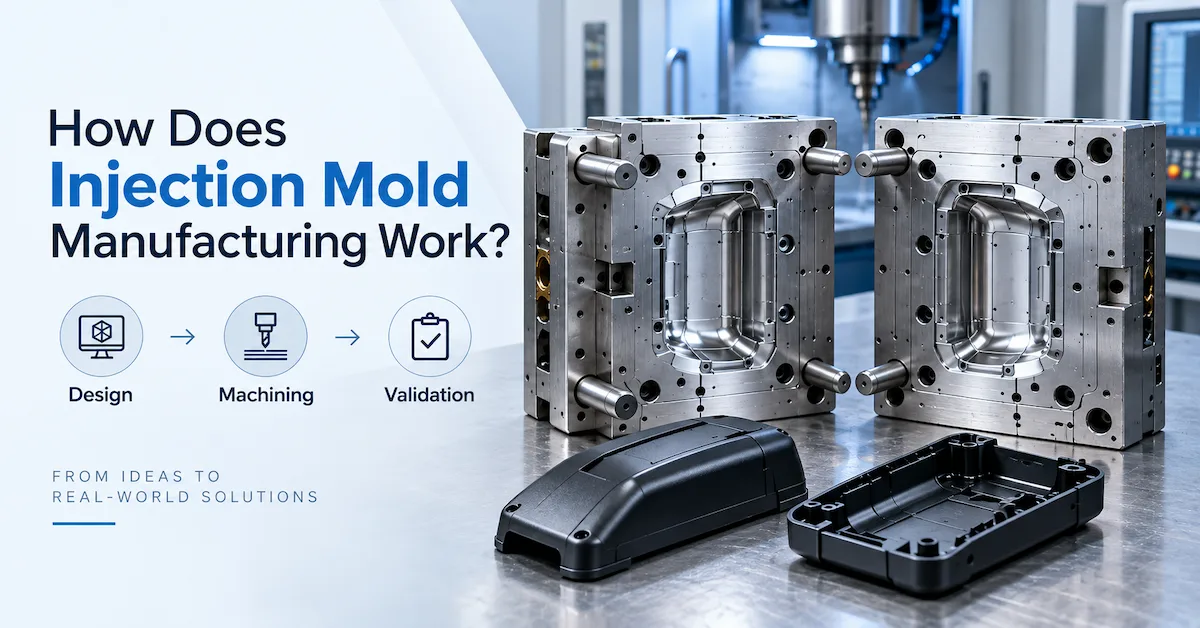
射出成形金型製造の仕組みとは?設計から生産までの全工程
射出成形金型の製造工程とは?このガイドでは、製品設計レビュー、DFM(製造性設計)、金型設計、機械加工、組立、試作、検査、検証から安定生産に至るまでの全工程を解説します。OEM(相手先ブランド製造)の購買担当者が、金型投資を行う前に、プロの金型メーカーがどのように品質、コスト、製造リスクを管理しているかを理解するのに役立ちます。
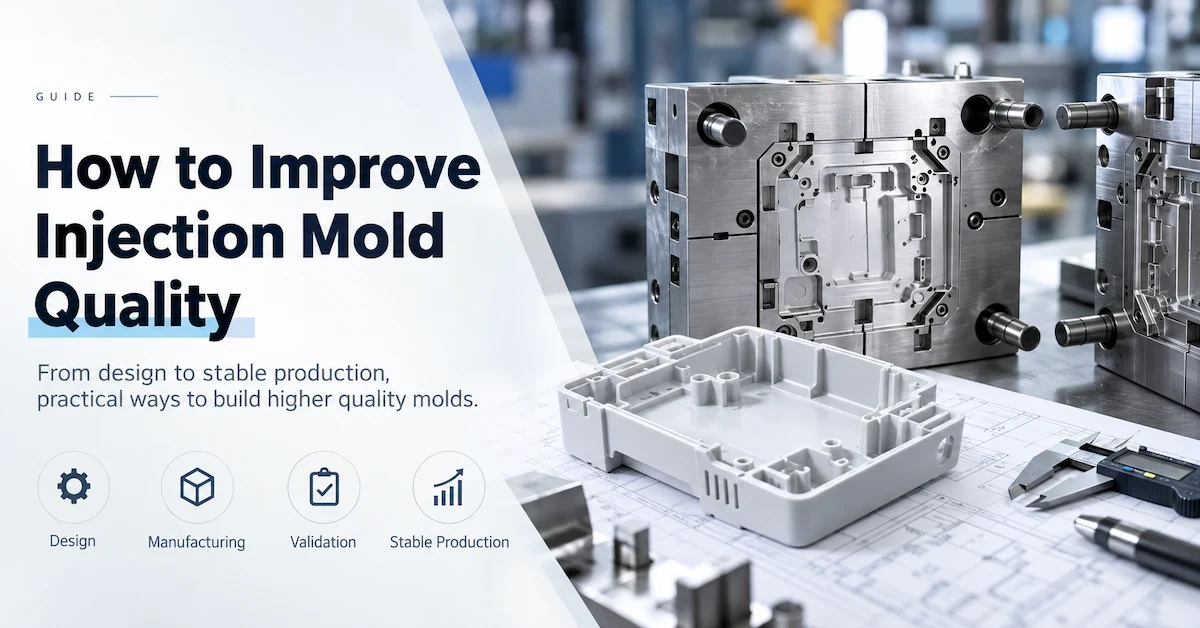
射出成形金型の品質向上:DFMから安定生産まで、12の管理ポイント
射出成形金型の品質向上は、単に鋼材の硬度を高めたり、加工公差を厳しくしたりするだけではありません。このガイドでは、OEMの購買担当者、エンジニア、調達担当者が、より明確なCTQ要件、DFM(製造性設計)、金型設計、加工管理、試作検証、プロセス能力、欠陥分析、メンテナンス、サプライヤー品質管理を通じて金型品質を向上させる方法を示します。
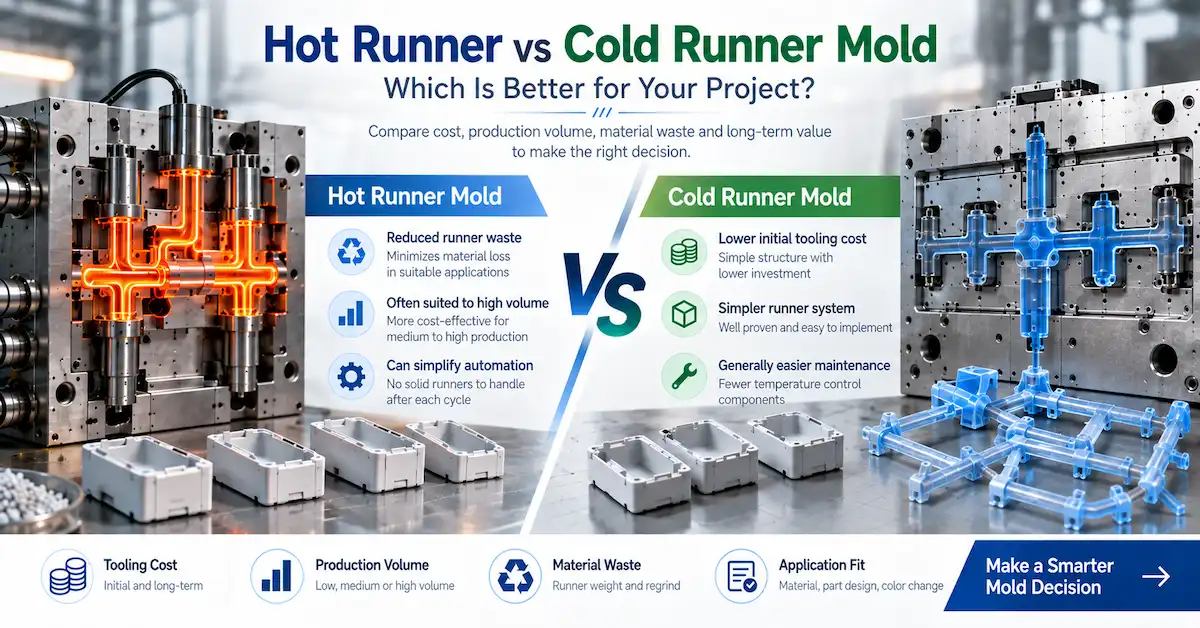
ホットランナー金型とコールドランナー金型:コスト、生産量、長期的な金型寿命の点でどちらが優れているのか?
ホットランナー金型とコールドランナー金型、どちらが優れているかは、金型の初期価格以外にも多くの要素によって決まります。このガイドは、OEMバイヤーがランナーシステムを選択する前に、材料ロス、生産量、サイクル要件、樹脂の挙動、メンテナンス、色の変化、自動化、および許容部品あたりの総コストを比較検討するのに役立ちます。
OEMプラスチック射出成形工場:グローバルバイヤーが信頼できる製造パートナーを選ぶ方法
OEMプラスチック射出成形金型工場を選ぶ際には、金型価格を比較するだけでは不十分です。このガイドでは、世界のOEMバイヤーが金型パートナーを選定する前に、工場の能力、エンジニアリングサポート、DFM(製造性設計)、金型製造プロセス、品質管理、プロジェクト管理、生産サポート、そして長期的な協力関係をどのように評価するかを解説します。
射出成形金型はカスタマイズ可能か?OEM購入者は金型製作前に何を変更できるか?
はい、射出成形金型は、部品形状、生産量、樹脂、キャビティ数、ゲート、ランナー、冷却、突き出し機構、および機械要件に合わせてカスタマイズできます。このガイドでは、OEMの購入者向けに、カスタマイズ可能な項目、コストとリードタイムに影響する変更点、および金型製造開始前に承認が必要な事項について説明します。
電子金型メーカーガイド:精密部品製造における信頼できるパートナーの選び方
電子機器用金型メーカーの選定には、金型価格だけでなく、様々な要素を評価する必要があります。このガイドでは、電子機器メーカーが精度要件、材料適合性、表面品質、金型設計、生産安定性、そして長期的な製造サポートに基づいて金型パートナーを選定する方法について解説します。