如何为 OEM 项目选择注塑模具制造商

  • 注塑模具制造
发表者 Shenzhen DongXin Technology Co., Ltd. Aug 07 2026

选择合适的注塑模具制造商需要的不仅仅是比较模具价格。本指南解释了 B2B 买家在开始定制塑料成型项目之前如何评估 DFM 支持、模具材料、加工能力、质量控制、模具成本、生产风险和 OEM/ODM 服务。

如何为 OEM 项目选择注塑模具制造商

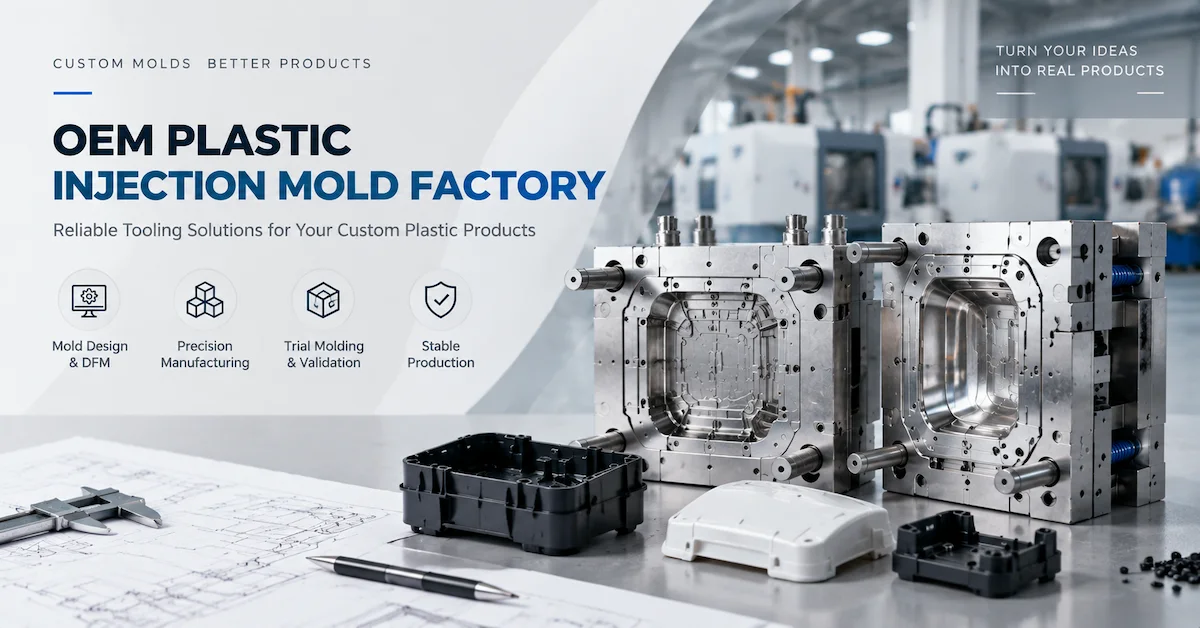
选择塑料注塑模具制造商不仅仅是比较模具价格的问题。对于 OEM 品牌、汽车供应商、电子产品制造商、工业公司和产品开发团队来说,模具决定了塑料部件是否可以在所需的公差范围内以商业上可行的成本重复制造。

合格的制造合作伙伴应该能够在模具开始之前审查产品,识别可制造性风险,开发模具结构,制造和验证模具,并支持向稳定生产的过渡。

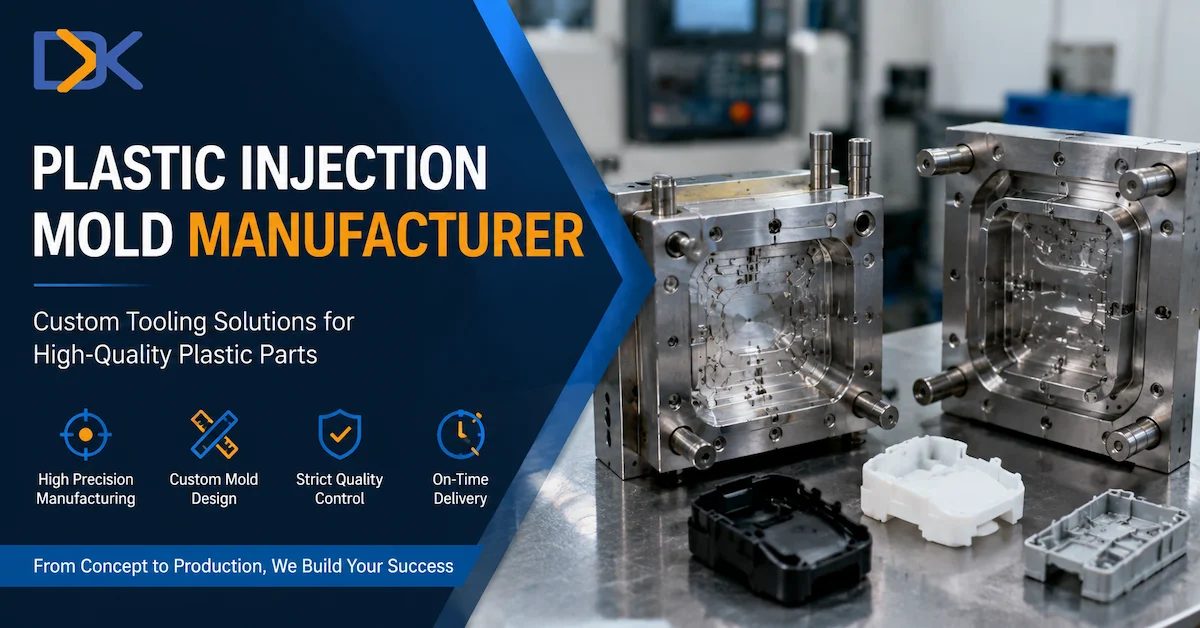
DX Molding 专注于为全球 B2B 客户提供定制注塑模具开发和精密制造。买家可以通过DX Molding 关于我们页面了解有关该公司的制造背景和工程能力的更多信息。

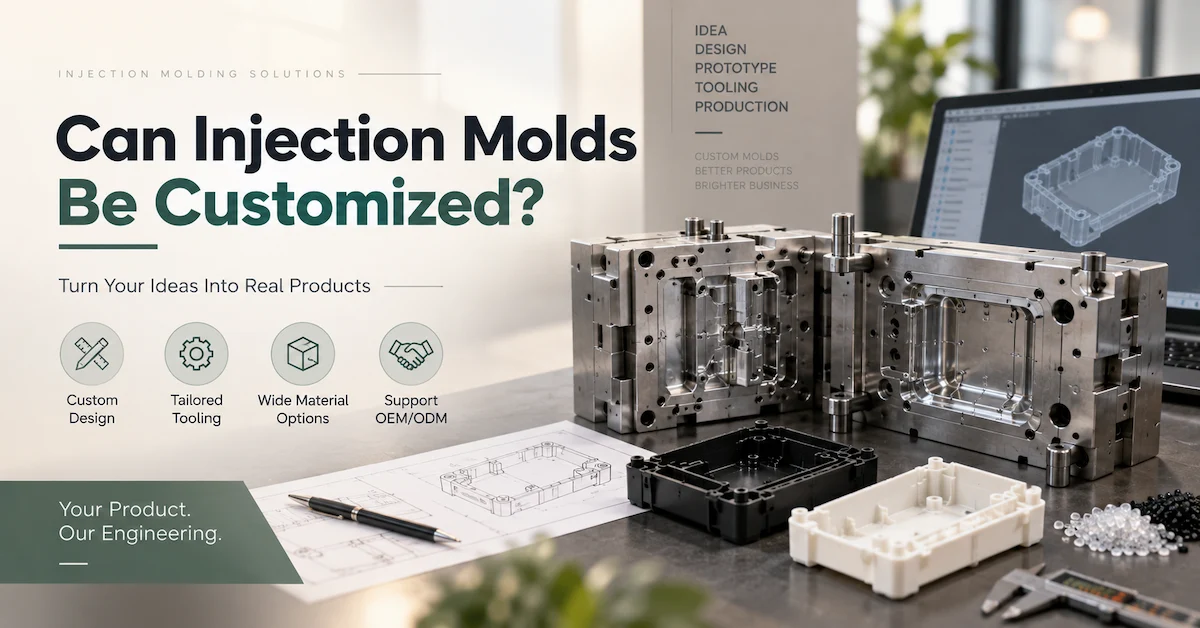
对于开发定制汽车、电子产品、电器或工业塑料零件的公司来说,在项目开始时选择合适的模具合作伙伴可以显着减少后期的设计变更、模具修改和生产风险。

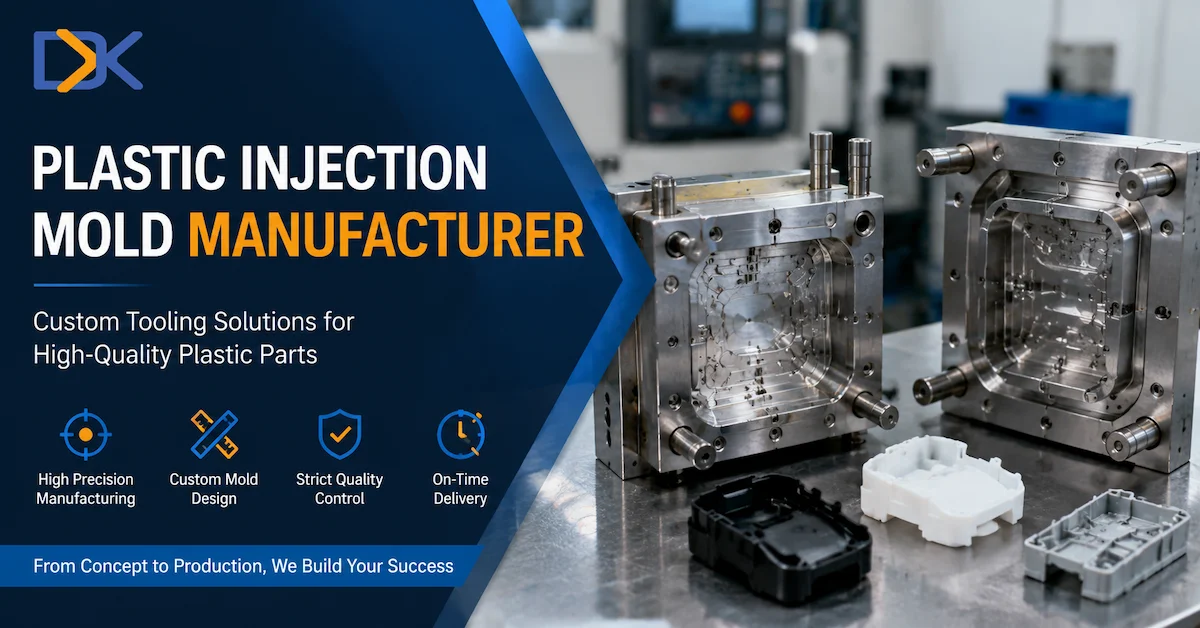
塑料注塑模具制造商指南

塑料注塑模具制造商实际上提供什么?

专业的注塑模具制造商所做的不仅仅是加工一块钢。

对于 B2B 项目,制造过程通常在第一个模具组件进入 CNC 机床之前开始。

工程团队首先需要了解:

  • 零件几何形状
  • 塑料材质
  • 功能要求
  • 年产量
  • 表面外观
  • 尺寸公差
  • 装配条件
  • 应用环境

目标是将产品设计转变为可靠的生产工具。

专业塑料模具制造通常包括:

  • 产品工程审核
  • DFM 分析
  • 模具结构设计
  • 数控加工
  • 电火花加工
  • 模具组装
  • 试模
  • 示例验证
  • 模具优化
  • 生产支持
  • DX Molding 为海外项目提供不同的定制模具和制造解决方案。买家可以在 DX 成型产品页面上查看可用的制造能力和模具类别。

    买家应准备的典型项目信息

    在请求报价之前,买家应准备尽可能多的技术信息。

    有用的输入包括:

    • 二维绘图
    • 3D CAD 文件
    • STEP 或 STL 文件
    • 实物样本
    • 所需的塑料树脂
    • 预计产量
    • 表面光洁度要求
    • 产品颜色
    • 关键维度
    • 组装要求
    • 应用环境
    • 目标生产计划

    提供完整的信息使模具制造商能够制定更切合实际的模具方案,而不是仅从产品外观进行引用。

    哪些买家需要定制注塑模具制造商?

    搜索词塑料注塑模具制造商具有强烈的商业意图。

    在大多数情况下,买家不再只是简单地了解注塑成型是什么。买方已经在评估潜在的制造合作伙伴。

    典型客户包括:

    • 汽车零部件制造商
    • 电子产品制造商
    • 家用电器品牌
    • 工业设备公司
    • OEM 和 ODM 品牌
    • 进口商和采购公司
    • 产品开发公司
    • 初创公司准备量产

    汽车零部件制造商

    汽车塑料部件通常需要稳定的尺寸控制、一致的表面质量、可靠的装配配合以及能够支持长期生产运行的工具。

    常见模制汽车应用包括:

    • 内饰组件
    • 外部塑料组件
    • 功能外壳
    • 结构塑料部件
    • 封面
    • 括号
    • 空调组件

    汽车买家应特别注意:

  • 关键容差
  • 装配接口
  • 模具耐用性
  • 表面外观
  • 分型线位置
  • 生产重复性
  • 对于这些项目,模具质量需要与生产一致性一起评估,而不仅仅是模具成本。

    电子产品制造商

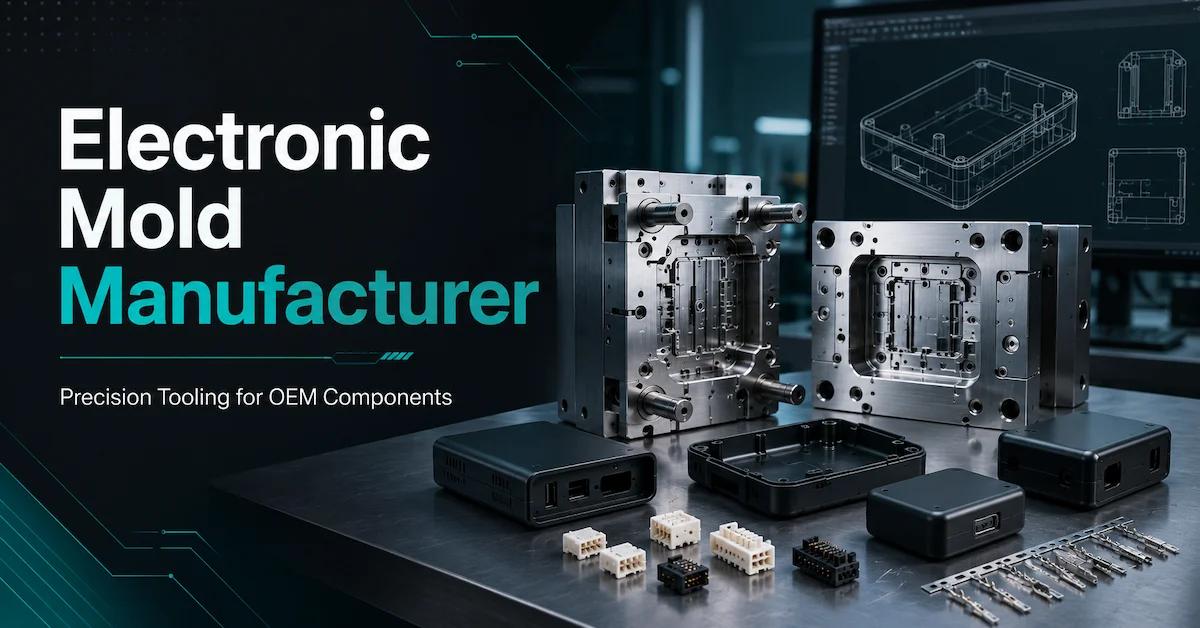
    电子产品经常使用模制塑料组件,例如:

  • 设备外壳
  • 塑料盖
  • 内部括号
  • 结构组件
  • 连接器外壳
  • 这些应用程序可能涉及:

  • 严格的装配公差
  • 精细表面要求
  • 薄壁结构
  • 复杂的内部功能
  • 可重复成型性能
  • 因此,有能力的注塑模具制造商应该了解模具制造和模制部件的最终组装要求。

    家用电器和消费品品牌

    消费品和家用产品通常将外观、功能、生产数量和目标成本结合在一起。

    开发这些模具时,买家需要平衡:

  • 工具投资
  • 预期数量
  • 型腔数量
  • 表面光洁度
  • 循环效率
  • 维护要求
  • 最便宜的模具并不总是整个生产生命周期中成本最低的解决方案。

    工业产品公司

    工业塑料部件可能优先考虑耐用性、可重复尺寸、装配性能和长期供应稳定性。

    在模具开发开始之前,买方应确定:

  • 关键维度
  • 功能接口
  • 机械要求
  • 材料要求
  • 运行环境
  • 预计产量
  • 这些参数影响最终的工具解决方案。

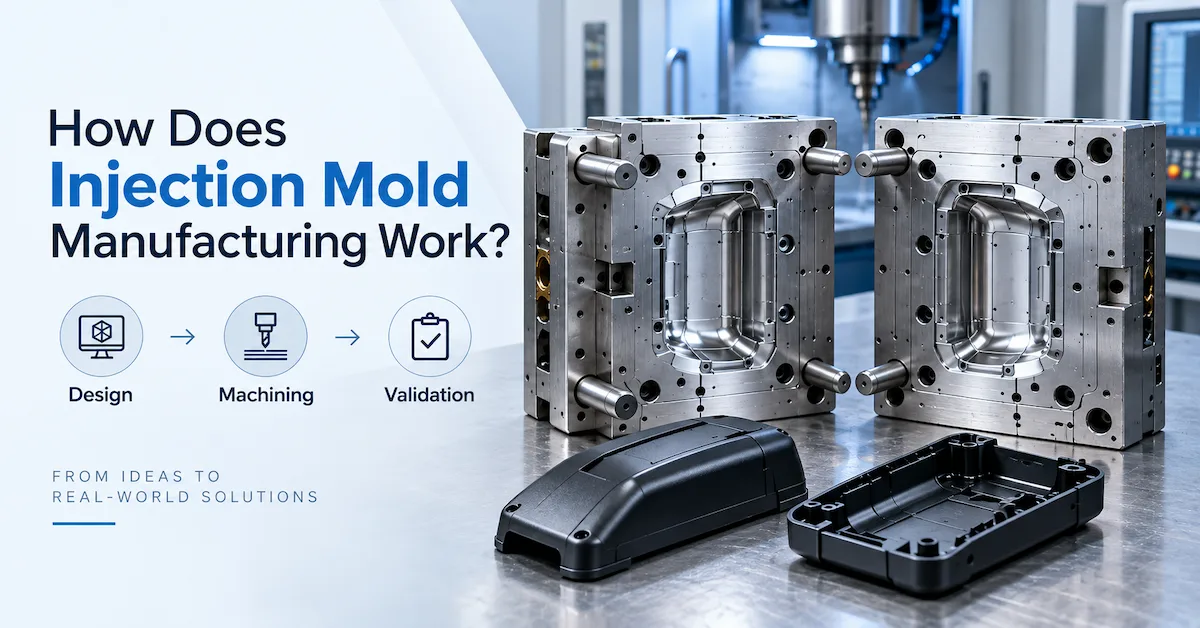
    塑料注射模具制造工艺如何运作?

    了解制造流程有助于买家识别可能发生项目风险的位置。

    专业的工作流程通常会经过工程审核、DFM分析、模具设计、加工、装配、试模、样品审批和生产准备。

    第 1 步:产品要求和工程审核

    制造商首先评估客户的产品信息。

    审核通常涵盖:

    • 产品几何形状
    • 绘图
    • 树脂选择
    • 数量要求
    • 表面光洁度
    • 容差要求
    • 装配条件
    • 应用需求

    此阶段确保工具建议与实际生产目标相匹配。

    第 2 步:DFM 和制造风险评估

    DFM 意味着制造设计

    这是定制塑料模具项目中最重要的阶段之一。

    工程团队通常会审核:

    • 拔模角度
    • 壁厚
    • 底切
    • 分型线
    • 闸门位置
    • 弹出
    • 缩水风险
    • 潜在变形
    • 难以加工的详细信息

    目的是在模具钢加工之前识别风险。

    为什么 DFM 对 B2B 买家很重要

    在设计阶段解决工程问题通常比在模具制造后解决同一问题更容易。

    有效的 DFM 可以帮助减少:

    • 模具修改
    • 开发延迟
    • 额外加工
    • 样本拒绝
    • 生产不稳定

    对于比较供应商的买家来说,DFM 反馈的质量通常比销售演示更能揭示工程能力。

    第3步:模具规格和报价确认

    一份专业报价应解释多个模具总价格。

    重要项目包括:

  • 模具钢
  • 型腔数量
  • 模具底座
  • 流道系统
  • 表面光洁度
  • 预计模具寿命
  • 临界容差
  • 模具结构
  • 试模
  • 采样
  • 修改范围
  • 生产支持
  • 在比较多家注塑模具制造商时,买家应确保每个报价均基于同等规格。

    第 4 步:模具设计

    技术要求确定后,开发模具结构。

    重要的设计领域包括:

    • 型芯和型腔
    • 模架
    • 流道系统
    • 大门设计
    • 冷却通道
    • 弹射系统
    • 幻灯片
    • 升降机
    • 插入内容
    • 通风

    良好的模具设计应平衡工具可靠性、可制造性、维护、周期时间和成型零件质量。

    第5步:精密模具制造

    模具设计批准后,各个组件将进入加工阶段。

    典型流程包括:

    数控加工

    CNC 加工通常用于:

  • 模具芯
  • 模具型腔
  • 插入内容
  • 模板
  • 结构组件
  • 加工精度直接影响模具装配和最终产品的一致性。

    电火花加工

    EDM 对于难以用传统切削工具加工的特征非常有用。

    典型应用包括:

    • 深腔
    • 清晰的内部功能
    • 复杂详细信息
    • 精细模具结构

    第6步:模具组装

    经过加工和精加工后,组件被安装在一起。

    组装期间检查的重要区域包括:

    • 型芯和型腔对齐
    • 滑动组件
    • 弹出运动
    • 指南组件
    • 冷却连接
    • 模具闭合条件

    模具随后进入测试阶段。

    买家应确认哪些技术规格?

    最常见的采购错误之一是假设所有塑料注塑模具均按照相同规格制造。

    他们不是。

    根据实际产品及生产要求选择规格。

    制造流程 主要目的
    数控加工 型芯、型腔和精密部件加工
    EDM 复杂的空腔和详细的结构
    线切割 精密零件切割
    研磨 尺寸和表面精度
    抛光 所需的模具表面光洁度
    模具组装 工具组件集成

    专业的注塑模具制造商应该解释为什么特定规格适合该项目,而不是自动推荐成本最高的配置。

    模具钢应该如何选择?

    模具钢影响:

  • 工具耐用性
  • 表面质量
  • 维护
  • 生产一致性
  • 模具成本
  • 常见选项可包括:

  • P20
  • H13
  • S136
  • 其他项目特定钢材
  • 应根据以下条件选择钢材:

    • 塑料材质
    • 预计模具寿命
    • 产量
    • 表面要求
    • 腐蚀情况
    • 维护预期
    • 项目预算

    模具钢越贵越好吗?

    不一定。

    用于中等批量生产的模具可能不需要与预计多年生产极高数量的模具相同的模具规格。

    正确的目标是选择符合实际生产要求的模具钢材。

    单型腔与多型腔注塑模具

    所需的型腔数量直接影响生产能力和模具复杂性。

    项目 常见项目选项
    模具类型 定制塑料注塑模具
    模具钢 P20 / H13 / S136 / 项目特定
    腔体 单腔或多腔
    流道系统 热流道/冷流道
    表面光洁度 抛光/纹理/定制
    设计文件 2D / 3D CAD
    加工 CNC / EDM / 精密加工
    服务 OEM/ODM
    生产阶段 原型到批量生产

    When Should Buyers Consider a Multi-Cavity Mold?

    Multi-cavity tooling may be appropriate when:

    • Annual quantity is high
    • Production capacity is important
    • Unit cost reduction is required
    • Molded part geometry supports cavity duplication

    However, more cavities do not automatically mean a better mold.

    Buyers should consider:

    • Injection machine capacity
    • Mold size
    • Part geometry
    • Runner balance
    • Required cycle time
    • Production forecast

    Hot Runner vs Cold Runner Mold

    Another major tooling decision involves the runner system.

    Hot Runner Mold

    Potential advantages include:

    • Reduced runner scrap
    • Higher material efficiency
    • Potentially faster production
    • Better suitability for some high-volume programs

    Cold Runner Mold

    Potential advantages include:

    • Simpler tool construction
    • Lower initial system complexity
    • Easier maintenance in many applications
    • Suitable for many conventional products
    因子 单腔模具 多腔模具
    每个周期的零件 较低 更高
    工具复杂性 较低 更高
    初始投资 通常较低 通常较高
    生产能力 Lower Higher
    Flow balancing Simpler More demanding
    Best suited for Lower quantities or validation Higher-volume production

    The correct question is not simply:

    “Is hot runner better than cold runner?”

    The better question is:

    “Which system gives this project the best balance of tooling investment, material efficiency, cycle performance, maintenance, and expected production volume?”

    Why Cooling System Design Matters

    Cooling is an important part of mold design because molding consistency depends on controlled thermal conditions.

    A poorly designed cooling system may contribute to:

    • Longer cycle times
    • Uneven cooling
    • Dimensional variation
    • Warpage
    • Production instability

    Buyers evaluating a plastic injection mold manufacturer can ask:

    • How are cooling channels designed?
    • Are critical thermal areas analyzed?
    • How is cooling performance checked during mold trials?
    • Are molding parameters recorded?

    These questions help evaluate the engineering depth behind the tooling proposal.

    How Is a Plastic Injection Mold Tested Before Approval?

    After mold assembly, the project enters trial molding.

    Common stages may be described as T0, T1, or subsequent optimization trials.

    The objective is not merely to produce one visible plastic sample.

    The manufacturer should evaluate whether the mold can repeatedly produce parts according to the agreed requirements.

    Trial Mold Evaluation

    Typical evaluation points include:

    • Filling condition
    • Product dimensions
    • Appearance
    • Parting line
    • Ejection
    • Gate condition
    • Surface defects
    • Assembly fit
    • Repeatability

    Sample Approval

    Before buyers approve samples, they should clearly define:

    • Critical dimensions
    • Cosmetic standards
    • Functional requirements
    • Assembly requirements
    • Required sample quantity
    • Approval documentation

    Clear standards reduce disagreement later in the project.

    What Quality Control Should a Plastic Injection Mold Manufacturer Have?

    A supplier should be able to explain how quality is controlled, rather than simply saying it offers high quality.

    DX Molding emphasizes engineering, mold manufacturing, and quality management as part of its manufacturing services. Buyers evaluating long-term cooperation can review more company information on the About Us page.

    A structured quality process may include:

    Incoming Material Inspection

    Verify:

    • Steel grade
    • Plastic material
    • Material documentation
    • Surface condition

    Mold Component Inspection

    Control:

    • Dimensions
    • Machining accuracy
    • Surface finish
    • Assembly fit

    First Article Inspection

    Evaluate the initial molded components for:

    • Critical dimensions
    • Surface appearance
    • Assembly performance
    • Structural defects

    In-Process Quality Control

    Production monitoring may include:

    • Process parameters
    • Dimensional checks
    • Appearance checks
    • Sampling records

    Final Inspection

    Before delivery, manufacturers should verify the mold or molded product against agreed project requirements.

    Packaging Inspection

    For international projects, correct packaging is important for protecting molds or finished plastic parts during transport.

    What Factors Affect Plastic Injection Mold Cost?

    There is no meaningful single answer to:

    “How much does a plastic injection mold cost?”

    The price depends on the project specification.

    Major cost factors include:

    • Product size
    • Part complexity
    • Mold steel
    • Number of cavities
    • Hot or cold runner system
    • Surface requirements
    • Tolerance
    • Mold life
    • Slides and lifters
    • Inserts
    • Trial requirements
    • Validation requirements

    Product Complexity

    Complex components may require:

    • More engineering work
    • Additional mold movements
    • EDM processing
    • Multiple inserts
    • More difficult assembly

    Number of Cavities

    Increasing the cavity quantity can raise the initial tooling investment while reducing unit manufacturing cost for sufficiently high production quantities.

    Mold Life Requirement

    Higher expected mold life may require:

    • More durable materials
    • More robust components
    • Higher machining standards

    Surface Requirements

    High-polish or textured surfaces can add additional manufacturing steps.

    How Should Buyers Compare Plastic Injection Mold Quotations?

    Do not compare only the final number at the bottom of the quotation.

    Create a technical comparison.

    Factor Hot Runner Cold Runner
    Runner waste Reduced Runner material produced
    Initial tooling cost Higher Generally lower
    System complexity Higher Lower
    Maintenance More components Simpler
    Typical application Higher-volume programs General production

    This makes it easier to identify whether one quotation is cheaper because of better manufacturing efficiency or simply because the specification is lower.

    What Are the Main Risks When Choosing a Plastic Injection Mold Supplier?

    Risk 1: Selecting Only by Price

    The lowest initial tooling price does not necessarily mean the lowest total manufacturing cost.

    A mold with poor reliability can result in:

    • Repeated modifications
    • Downtime
    • Defective components
    • Maintenance costs
    • Delivery delays

    Risk 2: Quoting Before Engineering Review

    A quotation issued before the manufacturer fully understands the drawings, material, quantity, and critical requirements may change after engineering begins.

    Risk 3: Ignoring DFM Problems

    Problems involving:

    • Wall thickness
    • Draft angles
    • Undercuts
    • Parting lines
    • Gate position

    should ideally be solved before machining begins.

    Risk 4: Designing Only for Initial Samples

    A successful first sample does not necessarily prove the mold is ready for long-term production.

    Tooling should be evaluated according to the intended production volume.

    Risk 5: Unclear Approval Standards

    If buyer and supplier do not agree on:

    • Critical dimensions
    • Surface appearance
    • Assembly requirements
    • Sample approval criteria

    project disputes can occur during validation.

    What OEM and ODM Support Should Buyers Expect?

    Different customers enter a plastic molding project at different development stages.

    OEM Projects

    OEM buyers typically already have:

    • Product drawings
    • Product structure
    • Material specifications
    • Manufacturing requirements

    The mold manufacturer's role focuses on:

    • Engineering review
    • DFM
    • Tooling
    • Sampling
    • Validation
    • Production support

    ODM or Product Development Projects

    Some buyers need additional support, such as:

    • Product concept evaluation
    • Structural optimization
    • Manufacturability improvement
    • Prototype development
    • Tooling preparation

    For companies sourcing both custom tooling and molded products, DX Molding's broader manufacturing categories can be reviewed on its Products page.

    Why Consider DX Molding as Your Plastic Injection Mold Manufacturer?

    Selecting a supplier should be based on whether its capabilities match the actual project.

    DX Molding serves custom manufacturing projects requiring mold development, precision machining, plastic component production, and OEM/ODM support.

    Its manufacturing positioning is particularly relevant to:

    • Automotive component buyers
    • Electronics manufacturers
    • Industrial product companies
    • OEM brands
    • Product development teams
    • Overseas sourcing companies

    Engineering-Oriented Project Support

    A strong mold project begins with technical evaluation.

    The manufacturer should understand:

    • What the component does
    • How it will be assembled
    • Which dimensions are critical
    • How many units will be manufactured
    • What tooling strategy is appropriate

    Custom Manufacturing Capability

    Depending on project requirements, custom solutions can involve:

    • Plastic injection molds
    • Precision molds
    • CNC-machined parts
    • Prototype development
    • OEM/ODM manufacturing

    You can explore additional manufacturing capabilities through the DX Molding product portfolio.

    Long-Term Manufacturing Perspective

    For B2B sourcing, the objective should not be merely to receive a mold.

    A stronger manufacturing relationship focuses on:

    • Tooling reliability
    • Stable production
    • Repeatable quality
    • Engineering communication
    • Production support

    What Should You Send for a Plastic Injection Mold Quotation?

    Providing complete technical inf ormation makes quotation and engineering evaluation more efficient.

    Prepare:

    • 2D drawing
    • 3D CAD model
    • STEP/STL file
    • Physical sample if available
    • Plastic resin
    • Expected production quantity
    • Critical dimensions
    • Surface finish
    • Color
    • Assembly requirements
    • Application environment
    • Target delivery schedule

    If you are preparing a new custom plastic mold project, you can submit your drawings, samples, quantities, or project requirements directly through the DX Molding Contact Us page.

    For buyers still researching mold technologies, supplier evaluation, cost factors, and manufacturing methods, additional technical articles are available in the DX Molding Blog.

    FAQ About Plastic Injection Mold Manufacturers

    What does a plastic injection mold manufacturer do?

    A plastic injection mold manufacturer reviews the product design, develops the mold structure, manufactures mold components, assembles the tooling, performs trial molding, verifies samples, and prepares the mold for production.

    How do I choose a reliable plastic injection mold manufacturer?

    Evaluate the supplier's engineering capability, DFM process, machining equipment, tooling experience, quality control, sample validation process, communication, and long-term manufacturing support.

    Can a plastic injection mold be made from a 3D drawing?

    Yes. 3D CAD data such as STEP files is commonly used for engineering review and mold development. Buyers should also provide material, tolerance, surface, and quantity requirements.

    Can a manufacturer develop a mold from a physical sample?

    Depending on the project, manufacturers may evaluate existing samples and perform reverse-engineering or design analysis. It is important to confirm the exact scope before beginning the project.

    What steel is used for plastic injection molds?

    Common mold steels can include P20, H13, S136, and other project-specific grades. Selection depends on the expected production volume, resin, surface requirements, corrosion resistance, and mold-life target.

    Should I choose a hot-runner or cold-runner mold?

    The decision depends on production quantity, plastic material, part geometry, material efficiency, tooling budget, maintenance, and cycle requirements. Neither system is automatically best for every project.

    When should I use a multi-cavity mold?

    Multi-cavity molds are generally considered when higher production output is required and annual quantity justifies the additional tooling complexity and investment.

    How much does a plastic injection mold cost?

    Cost depends on product geometry, mold size, steel, cavity quantity, runner system, surface requirements, tolerance, expected mold life, tooling complexity, and validation requirements.

    How long does plastic injection mold manufacturing take?

    Lead time depends on the complexity and size of the mold, number of components, machining workload, engineering changes, trial molding, and sample approval process. Buyers should request a project-specific schedule rather than relying on a generic lead-time estimate.

    What information should I send before requesting a quotation?

    Provide drawings or samples, plastic material, expected quantity, critical tolerances, surface requirements, assembly conditions, and application information. More complete inputs generally result in a more accurate tooling proposal.

    Conclusion

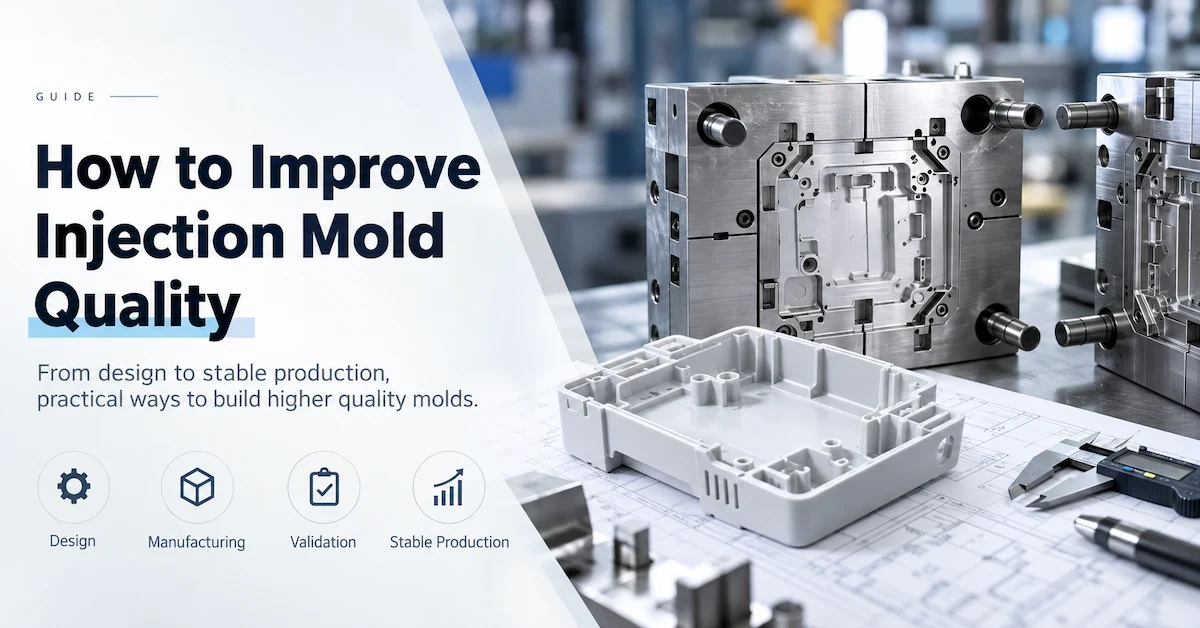
    Choosing the right plastic injection mold manufacturer should be treated as an engineering and supply-chain decision rather than a simple tooling-price comparison.

    A reliable manufacturing partner should be able to evaluate manufacturability before mold making, explain the tooling specification clearly, control machining and mold assembly, validate molded samples against measurable requirements, and support the transition from development into stable production.

    For B2B buyers, important evaluation factors include:

    • DFM capability
    • Mold design
    • Mold steel selection
    • CNC and EDM capability
    • Quality control
    • Trial molding
    • Sample validation
    • Production support
    • OEM/ODM capability
    • Communication

    DX Molding provides custom mold and manufacturing solutions for overseas customers across automotive, electronics, industrial, consumer, and OEM applications.

    Instead of comparing mold suppliers only by initial tooling price, buyers should compare the complete engineering solution, tooling specification, manufacturing process, quality system, and long-term production value.

    If you have a new plastic part ready for development, send your drawing, sample, material requirement, production quantity, critical tolerances, and surface requirements through the DX Molding Contact Us page for project evaluation and quotation.

    需要帮助选择正确的解决方案吗?

    相关文章

    特色博客

    电子模具制造商指南:如何选择可靠的精密零部件合作伙伴

    电子模具制造商指南:如何选择可靠的精密零部件合作伙伴

    选择电子模具制造商不仅仅需要考虑模具价格。本指南阐述了电子公司如何根据精度要求、材料兼容性、表面质量、模具设计、生产稳定性以及长期制造支持等因素来选择模具合作伙伴。

    定制注塑成型制造商:如何选择合适的 OEM 合作伙伴

    定制注塑成型制造商:如何选择合适的 OEM 合作伙伴

    选择定制注塑成型制造商不仅仅是比较零件价格。本指南阐述了OEM买家在建立长期制造合作关系之前,如何评估模具能力、工程支持、生产质量、材料、成本和供应商可靠性。

    中国注塑工厂:OEM 采购、模具及生产指南

    中国注塑工厂:OEM 采购、模具及生产指南

    在中国选择注塑工厂不仅仅是比较零件价格。OEM 买家在决定生产之前,需要核实模具制造能力、工厂所有权、可制造性设计 (DFM) 支持、模具试制、质量控制、沟通、模具所有权以及出口准备情况。

    注塑成型供应商指南:生产前审核流程

    注塑成型供应商指南:生产前审核流程

    这是一份实用的 B2B 指南,用于评估塑料注塑成型供应商,评估内容包括询价输入、可制造性设计、模具、材料、质量、试验、成本、产能和稳定生产。

    三板模具供应商指南:浇口设计、成本和OEM采购决策

    三板模具供应商指南:浇口设计、成本和OEM采购决策

    三板模具供应商帮助OEM买家解决注塑成型项目中对冷流道浇口灵活性和独立流道移除的要求。本指南解释了三板模具的结构、精确浇口、流道平衡、设计风险、模具成本、双板模具和热流道模具的替代方案,以及买家在下单前应该询问的问题。

    双板模具制造商指南:设计、成本和OEM采购决策

    双板模具制造商指南:设计、成本和OEM采购决策

    双板模具制造商可以为许多塑料零件提供相对简单的注塑模具结构,但正确的选择取决于浇口、零件几何形状、型腔数量、自动化程度、树脂类型和生产规模。本指南旨在帮助OEM买家比较双板模具、三板模具和热流道模具,了解模具风险,并准备更准确的询价单。

    Quote Item Supplier A Supplier B Supplier C
    Mold Steel Confirm Confirm Confirm
    Cavity Number Confirm Confirm Confirm
    Runner System Confirm Confirm Confirm
    Mold Life Confirm Confirm Confirm
    Critical Tolerance Confirm Confirm Confirm
    Trial Molding Confirm Confirm Confirm
    Modification Scope Confirm Confirm Confirm
    Production Support Confirm Confirm Confirm