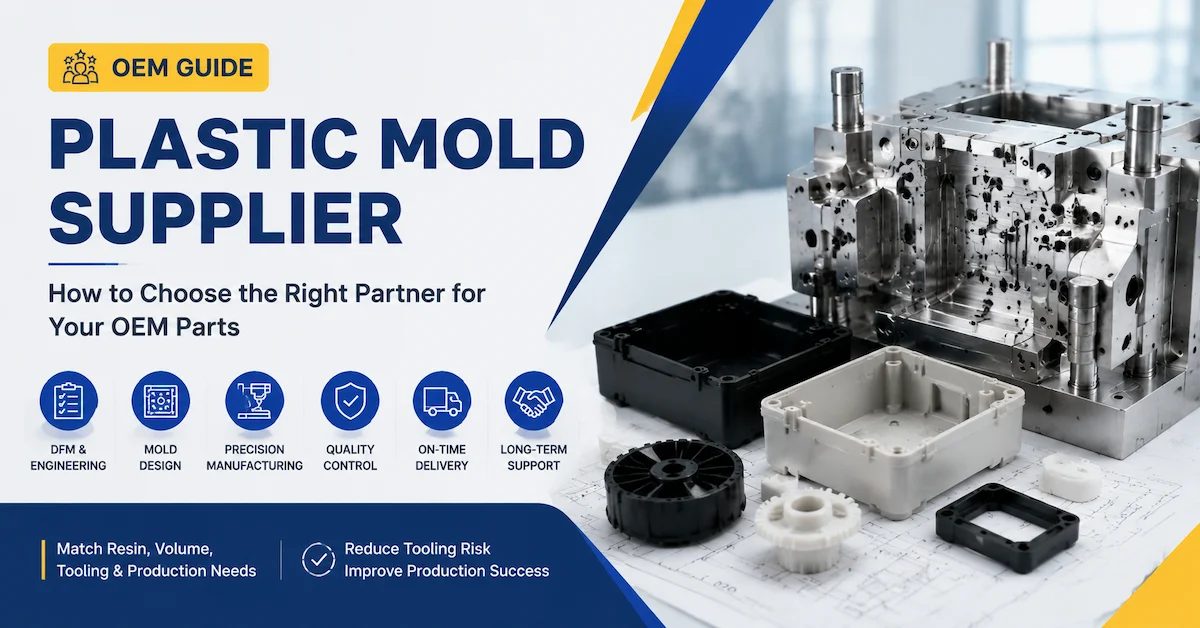
OEM 零件的塑料模具供应商选择:匹配树脂、体积和工具需求

  • 注塑模具制造
  • OEM及采购指南
发表者 Shenzhen DongXin Technology Co., Ltd. Aug 11 2026

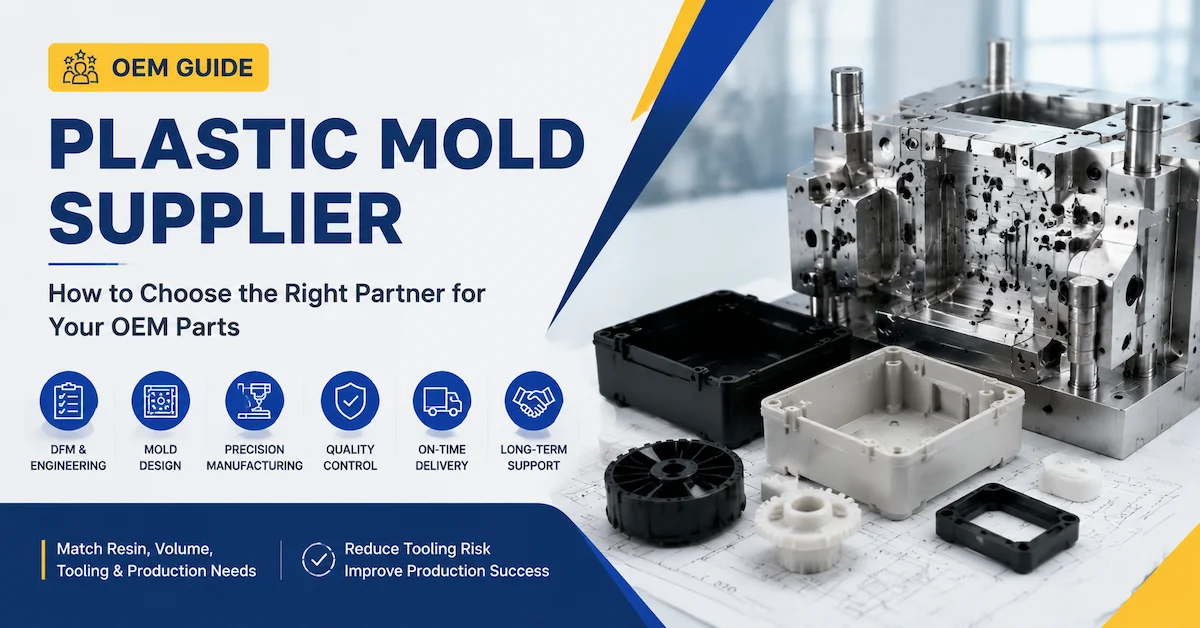
选择塑料模具供应商需要的不仅仅是比较模具价格。本指南向 OEM 买家展示如何将塑料材料、零件几何形状、产量、模具结构、质量要求和制造范围与合适的供应商相匹配,以减少模具更换并提高生产准备情况。

OEM 零件的塑料模具供应商选择:匹配树脂、体积和工具需求

选择塑料模具供应商从您的零件开始,而不是供应商列表

应根据实际成型方案选择可靠的塑料模具供应商:塑料树脂、零件几何形状、年产量、尺寸要求、表面期望、模具所有权模型以及买方是否需要出口模具或完整的成型零件生产。

这就是为什么对于同一个 OEM 项目,两个供应商可能都有能力,但仍然有很大不同。

拥有简单消费者外壳经验的供应商可能不是多滑块工程塑料组件的最佳匹配。同样,针对出口模具进行优化的工厂可能会提供与供应商不同的项目模型,供应商管理从 DFM 和模具制造到塑料成型和批量交付的整个流程。

对于买家来说,实际目标并不是寻找“最好的塑料模具供应商”。就是要找到工程和生产能力与正在制造的零件的特定风险相匹配的供应商。

塑胶模具供应商OEM指南

塑料模具供应商实际供应什么?

“塑料模具供应商”一词可以描述几种不同的商业模式。

一些公司主要制造物理注塑模具并将其运送到客户的成型工厂。其他公司则提供模具加模具试验。集成制造商可以支持从工程审查到模具制造、样品验证、注塑成型、检验和交付的完整路线。

典型的自定义工具项目可能涉及:

  • 产品图纸审核
  • DFM 分析
  • 塑料材料审查
  • 模具结构设计
  • 型芯和型腔加工
  • CNC 和 EDM 加工
  • 模具装配和组装
  • 冷却脱模设计
  • 试模
  • 尺寸检查
  • 工具修改
  • 审批示例
  • 量产支持
  • 东鑫目前的定制成型服务涵盖产品和文件审查、DFM、定制塑料模具、CNC/EDM加工、试模和后续生产支持。

    在请求报价之前,买家应首先决定哪些责任属于供应商

    将塑料模具供应商与您将使用的树脂相匹配

    塑料材料不应该在模具设计完成后才选择。

    树脂影响模具收缩、填充行为、加工条件、浇口决策、表面要求,以及在某些应用中的模具材料和磨损策略。

    东新的工程支持信息目前列出了申请和材料审查期间考虑的塑料材料,例如 ABS、PC、PP 和 PA66。

    ABS 和一般消费零件

    ABS 通常被考虑用于必须平衡外观、可加工性和尺寸要求的外壳、外壳和消费产品结构。

    使用装饰性 ABS 零件的塑料模具供应商应该了解:

  • 门标记定位
  • 熔接线位置
  • 表面纹理
  • 在肋骨和凸台周围下沉
  • 分型线可见性
  • 弹出标记
  • 装配合适
  • 供应商不应仅评估空腔是否可以被填充。它还应该考虑客户在成品上实际看到和测量的内容。

    PP 和柔性或化学品暴露应用

    PP 项目可能具有与 ABS 或 PC 项目不同的收缩率和尺寸行为。

    对于使用活动铰链结构、薄柔性部分或大型模制几何形状的产品,模具和零件设计应一起审查,而不是将树脂选择视为采购细节。

    电脑和工程要求

    对于使用PC或其他工程塑料的零件,买家可能更关心:

  • 尺寸稳定性
  • 外观
  • 功能强度
  • 处理窗口
  • 内部应力
  • 模具温度控制
  • 门控策略
  • 确切的要求取决于树脂等级和应用,因此负责任的供应商应根据客户的实际材料规格进行工作,而不是假设树脂系列中的所有材料都具有相同的性能。

    填充工程塑料

    玻璃填充或其他增强材料可能会带来额外的考虑因素,例如磨损、纤维取向、收缩行为和翘曲。

    这是买家应在模具规格最终确定之前告知供应商确切的预期树脂或至少是树脂系列的原因之一

    零件几何形状应在钢材切割前驱动 DFM

    下一个问题是供应商是否将塑料零件作为工程组件进行评估,而不是简单地将 STEP 文件导入模具设计软件。

    有用的 DFM 审查可以检查:

    • 拔模角度
    • 壁厚
    • 罗纹设计
    • 凸台几何形状
    • 圆角
    • 底切
    • 辅助操作
    • 分型线
    • 闸门位置
    • 弹出
    • 缩痕风险
    • 熔接线
    • 翘曲
    • 装配干扰

    东鑫的DFM和生产支持目前包括拔模角度、壁厚、底切、侧芯结构、装配干涉、缩痕和翘曲的审核工具进展之前的风险。

    为什么 DFM 对买方很重要

    DFM 的目的不是为项目文件夹创建另一个报告。

    回答以下问题:

  • 零件能否从模具中脱模?
  • 分型线将出现在哪里?
  • 浇口可以远离装饰表面吗?
  • 厚的凸台会在对面的墙上形成水槽吗?
  • 底切是否需要滑块或升降器?
  • 几何形状是否不必要地增加了模具复杂性?
  • 某些容差是否比功能要求更严格?
  • 在加工前发现这些问题通常比在 T1 抽样期间发现这些问题为买家提供更多选择。

    将模具架构与产量相匹配

    最常见的采购错误之一是将每个塑料模具视为应该使用相同的加工策略。

    适当的结构应部分取决于所需的输出。

    此表是有意定性的,而不是指定通用的射击寿命数字。模具寿命取决于工具钢、零件几何形状、树脂、维护、成型条件以及可接受磨损的定义。

    因此,可靠的塑料模具供应商在推荐之前应询问预期产量:

  • 模具钢
  • 型腔数量
  • 流道系统
  • 冷却布局
  • 磨损组件
  • 备用刀片
  • 维护计划
  • 如果供应商推荐相同的模具规格,无论年产量如何,请询问该建议是如何确定的。

    单腔或多腔模具?

    增加型腔数量可以提高每个成型周期的产量,但更多的型腔也会增加模具的复杂性。

    该决定可能会影响:

    • 模具尺寸
    • 跑步者余额
    • 填充余额
    • 冷却
    • 夹具要求
    • 模具成本
    • 生产能力
    • 维护

    四腔工具并不自动优于两腔工具。

    更好的选择取决于预期需求、成型机产能、零件几何形状、周期目标和项目经济性。

    因此,型腔策略应作为生产计划的一部分进行讨论,而不是仅仅为了增加名义产量而选择。

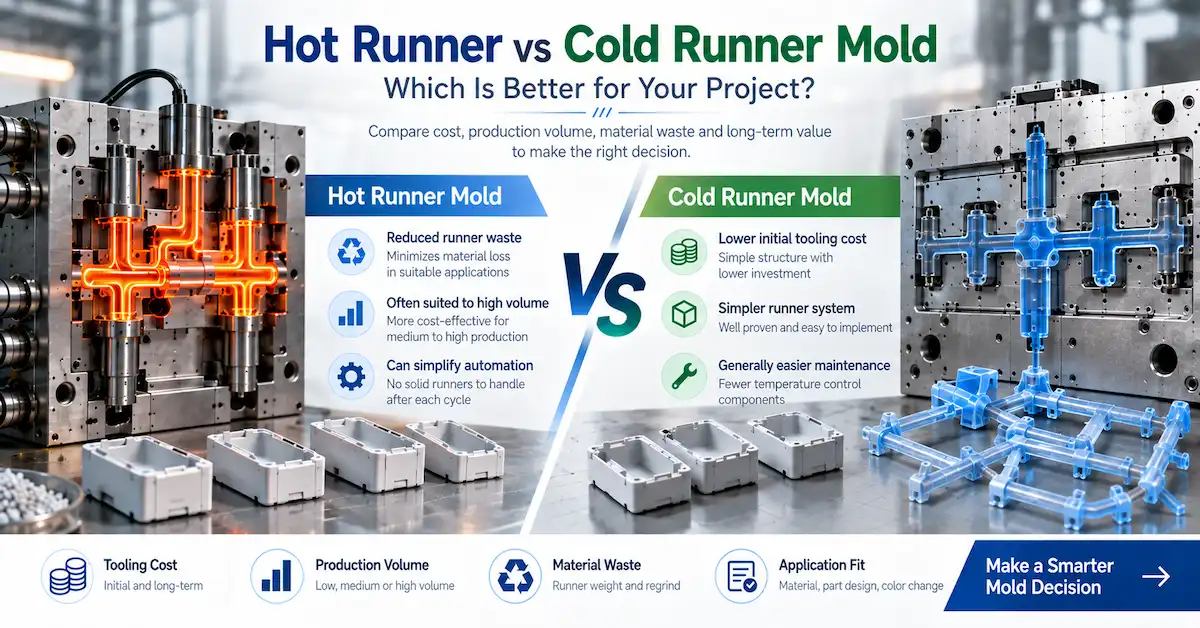
    热流道还是冷流道?

    跑步者选择是买家经常收到来自不同供应商的不同报价的另一个领域。

    冷流道系统适用于许多应用,而热流道系统可能为某些大批量或材料敏感的项目提供优势。

    评估应考虑:

    • 树脂
    • 零件尺寸
    • 型腔数量
    • 材料浪费
    • 周期要求
    • 登机口要求
    • 维护
    • 工具预算

    不要问“热流道更好吗?”,而是问:

    哪种流道系统可以为该特定零件和预期产量提供最佳总体结果?

    冷却设计影响的不仅仅是周期时间

    冷却通常被视为不可见的模具特征,但它可以直接影响制造一致性。

    温度平衡不佳可能会导致:

    • 收缩不均匀
    • 更长的周期
    • 尺寸变化
    • 翘曲
    • 进程不稳定

    Autodesk 指出,Moldflow 注塑成型模拟可以深入了解冷却通道效率、翘曲、材料选择和循环时间行为。

    对于复杂的零件,买家可以询问塑料模具供应商:

    • 厚截面周围的冷却是如何安排的?
    • 型芯和型腔温度是否预计达到平衡?
    • 困难区域是否获得足够的冷却?
    • 是否评估了翘曲风险?
    • 该项目是否需要模拟?

    重要的一点不是每个模具都需要 Moldflow。问题在于供应商是否认识到几何形状何时会产生足够的风险来证明更深入的工程分析的合理性。

    应从成品零件上检查浇口、分型线和顶出

    如果可见的模具特征出现在错误的位置,那么技术上功能正常的模具仍然可能生产出不可接受的产品。

    门位置

    浇口影响材料进入型腔的方式。

    根据零件的不同,买家可能需要考虑:

    • 外观门标记
    • 填充距离
    • 熔接线
    • 包装
    • 弹出
    • 后处理

    分型线

    分型线可能在以下情况下变得特别重要:

    • 装饰外壳
    • 密封表面
    • 装配接口
    • 可见消费品

    因此,其位置应在模具规划期间确认,而不是在采样后发现。

    弹出

    顶针、套筒、挺杆和滑块应围绕脱模和产品要求进行规划。

    供应商应考虑顶出标记是否会:

    • 干扰外观
    • 影响程序集
    • 扭曲薄壁
    • 标记密封或功能区域

    这就是产品理解与模具加工一样重要的地方。

    在比较塑料模具供应商之前定义公差

    诸如“高精度”或“严格公差”之类的表述对于供应商资格而言过于模糊。

    买方应确定实际控制的维度:

    • 组装
    • 密封
    • 对齐
    • 机械功能
    • 适合
    • 外观

    ISO 20457 规定了塑料成型零件可能的制造公差,并提供了尺寸和几何公差框架。

    这并不意味着每个项目都应该应用一个通用容差值。

    塑料零件公差受零件几何形状、材料行为、模具、成型条件和测量策略的影响。

    实际的采购问题是:

    供应商能否始终如一地制造和验证对该产品重要的尺寸?

    询问如何验证关键维度

    根据部件的不同,检查可能包括:

  • 卡尺
  • 身高尺
  • 赛程
  • 光学系统
  • CMM 测量
  • 装配检查
  • 功能测试
  • 东新目前的支持工作流程包括尺寸检查、首件验证和生产质量审核,还描述了 T0/T1/T2 阶段的试模文档。

    决定您是需要出口模具还是模具加生产

    此决定改变了您评估塑料模具供应商的方式。

    选项 1:导出模具

    此路线可能适合以下买家:

    • 自己的注塑机
    • 已有经过批准的成型合作伙伴
    • 需要将工具转移到其他国家/地区
    • 想要集中生产控制

    对于出口模具,请确认以下详细信息:

    • 模架要求
    • 目标成型机
    • 冷却连接
    • 热流道要求
    • 电气连接
    • 备件
    • 模具图纸
    • 模具包装
    • 防锈保护
    • 工具所有权

    选项 2:模具加成型零件

    此路线可能适合以下买家:

    • 不得经营模具工厂
    • 希望有一家供应商负责模具和零件
    • 样品批准后需要生产
    • 预计开发过程中会有工程变更
    • 希望减少供应商交接

    东鑫提供塑料注塑模具程序及后续产品塑料件生产,服务流程从工程评审到开模、试模、量产。

    这两种模型都不是普遍更好。

    买方应根据模具最终运行的位置进行选择。

    按范围比较报价,而不仅仅是模具价格

    如果三个塑料模具供应商报出三种不同的价格,首先检查他们是否实际上报出相同的价格。

    使用标准化比较:

    生产要求 典型工具优先级 买家焦点
    原型/验证 速度和设计验证 快速更改,基本功能
    小批量生产 控制模具投资 灵活性和可重复性
    中等批量 OEM 工具和周期效率的平衡 稳定性、维护、质量控制
    更高产量 耐用性和生产效率 型腔、冷却、循环、维护

    A lower tooling price may simply represent a different technical scope.

    For a broader supplier due-diligence checklist covering mold ownership, quotation assumptions, trials and long-term support, see our injection mold supplier evaluation guide.

    What Should You Send a Plastic Mold Supplier for an RFQ?

    A supplier can prepare a better proposal when the buyer provides a structured project package.

    Where available, send:

    1. 3D STEP or CAD model
    2. 2D drawing
    3. Plastic material or intended resin
    4. Estimated annual volume
    5. Initial production quantity
    6. Critical dimensions
    7. Surface-finish requirement
    8. Color requirement
    9. Assembly information
    10. Functional requirements
    11. Operating environment
    12. Target schedule
    13. Expected production location
    14. Inspection requirements

    DongXin's service workflow similarly asks customers for drawings or samples, material requirements, target quantities, finish, color and tolerance information during project review.

    If some information is unknown, mark it as open rather than inventing a specification.

    The supplier should help identify which unknowns must be resolved before tooling begins.

    Common Supplier-Project Mismatches to Avoid

    Choosing a Tooling Supplier Without Considering Production

    A supplier may be able to manufacture an acceptable mold but may not be the right partner if the project also requires stable batch molding, assembly or long-term production support.

    Define the downstream production model early.

    Selecting Mold Steel Before Confirming Resin and Volume

    Tooling material should not be selected independently from the resin, expected use and maintenance strategy.

    Ask why a specific steel is being proposed.

    Treating Every Dimension as Critical

    Tight tolerances everywhere can unnecessarily complicate tooling, inspection and molding.

    Identify which dimensions actually affect function.

    Approving the Mold From Appearance Alone

    A visually acceptable part may still fail dimensional, assembly or functional requirements.

    Use agreed acceptance criteria.

    Failing to Define Change Responsibility

    Product development often continues during tooling.

    Clarify:

    • Who approves changes?
    • What is considered a customer design change?
    • What is considered a tooling correction?
    • How are changes quoted?
    • How is revision history controlled?

    These questions reduce commercial disputes later.

    Why Engineering Continuity Matters in OEM Plastic Projects

    For OEM product teams, mold building is only one stage of the manufacturing process.

    The complete chain is closer to:

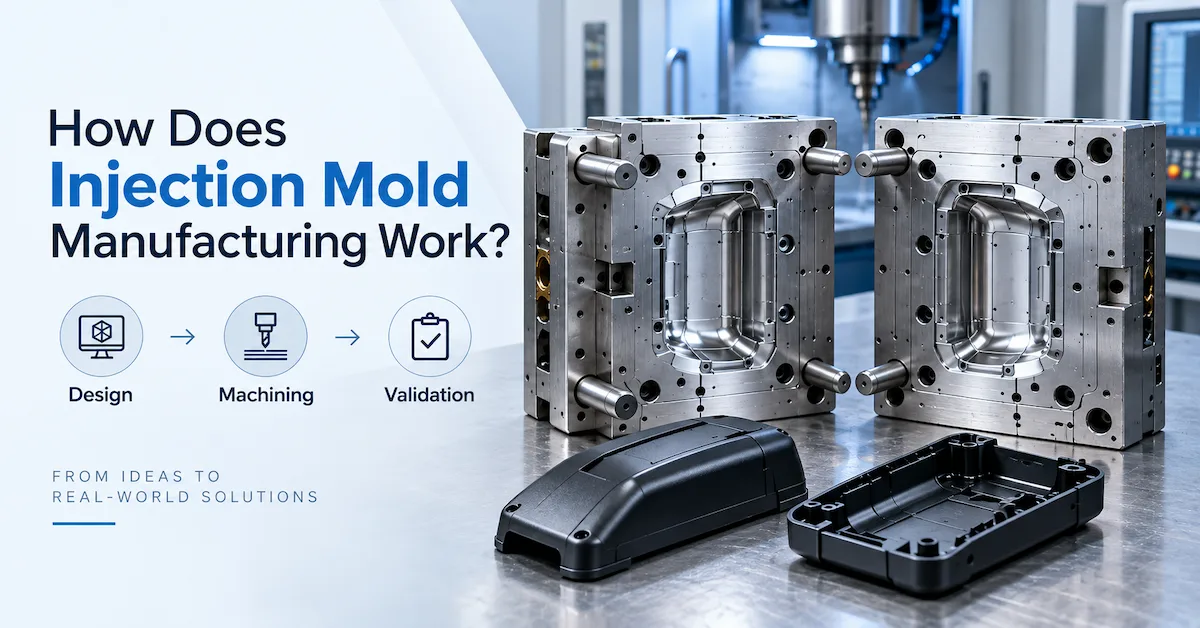
    Product Design → DFM → Material Review → Mold Design → Machining → Trial → Inspection → Adjustment → Production

    When different companies control each step, project handoffs become important.

    An integrated supplier can sometimes reduce these handoffs because the same engineering team sees what happens during both mold development and molding.

    DongXin, founded in Shenzhen in 2007, currently positions its business around custom plastic injection molds, molded plastic parts, silicone tooling and OEM/ODM project support.

    For buyers, the relevant question is not simply whether one-stop manufacturing sounds convenient.

    It is whether the supplier can maintain technical continuity from the drawing to the approved molded part.

    FAQ About Choosing a Plastic Mold Supplier

    What is the difference between a plastic mold supplier and a plastic injection molding supplier?

    A plastic mold supplier may focus primarily on designing and manufacturing the mold. A plastic injection molding supplier may also operate molding equipment and manufacture production parts. Some manufacturers provide both services.

    What information should I provide before requesting a plastic mold quotation?

    Provide a 3D model, 2D drawing, resin requirement, estimated volume, critical tolerances, finish, color, assembly requirements and expected production location whenever possible.

    Should resin be selected before the mold is designed?

    Preferably, the material or at least the intended resin family should be known early because material behavior can influence shrinkage, filling, tooling strategy and molding conditions.

    How do I compare two plastic mold suppliers with different prices?

    Normalize the quotations first. Compare mold steel, cavities, runner system, side actions, cooling, trial scope, inspection, spare parts, modifications, ownership and production responsibility before comparing total price.

    Does every plastic mold need mold flow analysis?

    No. Simulation is more useful when filling, cooling, gate location, weld lines or warpage creates meaningful risk. The supplier should explain whether the part complexity justifies analysis.

    What should I check during T1 mold sampling?

    Review appearance, filling, gate condition, flash, sink marks, weld lines, warpage, ejection, critical dimensions, assembly and functional requirements against the approved drawing and inspection plan.

    Is a multi-cavity mold always better for higher production?

    Not automatically. More cavities can increase output but also increase mold size, cost and balancing complexity. Cavity count should match demand, part geometry, cycle requirements and molding-machine capacity.

    Should I buy only the mold or use the same supplier for injection molding?

    Choose according to your production model. Buyers with their own molding capability may prefer an export mold. Buyers seeking a single engineering and production responsibility may prefer tooling plus molding.

    Conclusion

    Choosing the right plastic mold supplier is primarily a matching exercise.

    The supplier's capabilities must fit the plastic material, part geometry, production volume, tolerance requirements, mold architecture, inspection method and final production route.

    Before issuing a tooling order, confirm:

    • Resin and product application
    • DFM risks
    • Mold structure
    • Cavity strategy
    • Runner and gate design
    • Cooling
    • Ejection
    • Tool steel
    • Critical tolerances
    • Trial and inspection requirements
    • Mold ownership
    • Production responsibility

    The most useful supplier is not simply the one that can machine a cavity at the lowest price. It is the one that can explain why the proposed mold is appropriate for the product and how it will support stable production afterward.

    If you are developing a new plastic part, DongXin can review drawings, samples, material requirements, volumes and tooling needs before the project begins. You can send your project requirements for a manufacturability and tooling review.

    需要帮助选择正确的解决方案吗?

    相关文章

    特色博客

    电子模具制造商指南:如何选择可靠的精密零部件合作伙伴

    电子模具制造商指南:如何选择可靠的精密零部件合作伙伴

    选择电子模具制造商不仅仅需要考虑模具价格。本指南阐述了电子公司如何根据精度要求、材料兼容性、表面质量、模具设计、生产稳定性以及长期制造支持等因素来选择模具合作伙伴。

    定制注塑成型制造商:如何选择合适的 OEM 合作伙伴

    定制注塑成型制造商:如何选择合适的 OEM 合作伙伴

    选择定制注塑成型制造商不仅仅是比较零件价格。本指南阐述了OEM买家在建立长期制造合作关系之前,如何评估模具能力、工程支持、生产质量、材料、成本和供应商可靠性。

    中国注塑工厂:OEM 采购、模具及生产指南

    中国注塑工厂:OEM 采购、模具及生产指南

    在中国选择注塑工厂不仅仅是比较零件价格。OEM 买家在决定生产之前,需要核实模具制造能力、工厂所有权、可制造性设计 (DFM) 支持、模具试制、质量控制、沟通、模具所有权以及出口准备情况。

    注塑成型供应商指南:生产前审核流程

    注塑成型供应商指南:生产前审核流程

    这是一份实用的 B2B 指南,用于评估塑料注塑成型供应商,评估内容包括询价输入、可制造性设计、模具、材料、质量、试验、成本、产能和稳定生产。

    三板模具供应商指南:浇口设计、成本和OEM采购决策

    三板模具供应商指南:浇口设计、成本和OEM采购决策

    三板模具供应商帮助OEM买家解决注塑成型项目中对冷流道浇口灵活性和独立流道移除的要求。本指南解释了三板模具的结构、精确浇口、流道平衡、设计风险、模具成本、双板模具和热流道模具的替代方案,以及买家在下单前应该询问的问题。

    双板模具制造商指南:设计、成本和OEM采购决策

    双板模具制造商指南:设计、成本和OEM采购决策

    双板模具制造商可以为许多塑料零件提供相对简单的注塑模具结构,但正确的选择取决于浇口、零件几何形状、型腔数量、自动化程度、树脂类型和生产规模。本指南旨在帮助OEM买家比较双板模具、三板模具和热流道模具,了解模具风险,并准备更准确的询价单。

    报价项目 要确认的内容
    塑料树脂 确切牌号或商定的材料系列
    模具钢 等级和治疗
    空腔 型腔数量
    跑步者 热流道或冷流道
    模架 标准和供应商
    辅助操作 Sliders/lifters included
    Cooling Proposed strategy
    Surface Polish or texture
    Trials Trial scope
    Samples Quantity supplied
    Inspection Reports included
    Changes Modification responsibility
    Spare parts Included items
    Ownership Tool/data rights
    Production Mold only or molding included