What Is an Automotive Interior Mold Manufacturer?
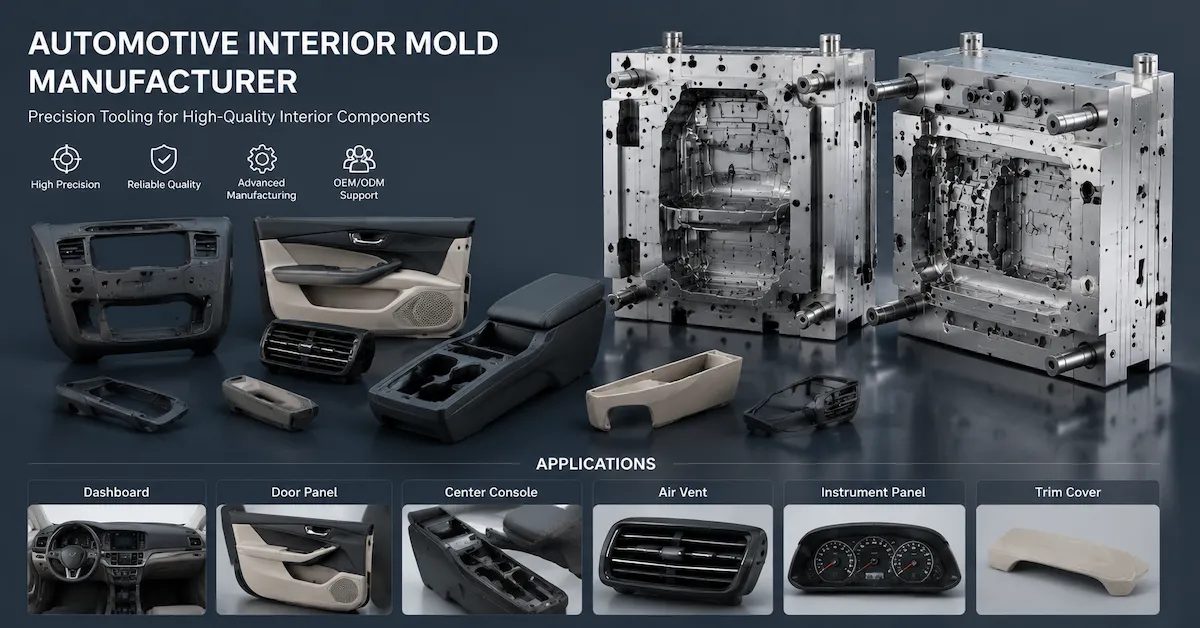
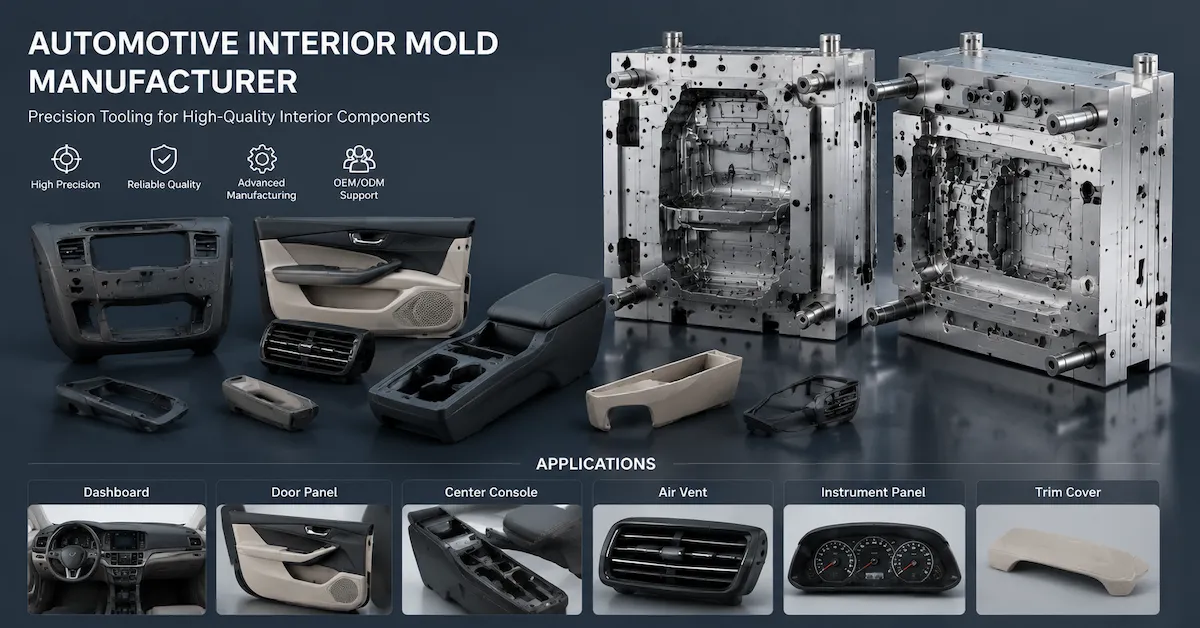
An automotive interior mold manufacturer specializes in designing and producing injection molds used for vehicle interior plastic components.
Unlike general plastic mold suppliers, automotive interior mold manufacturers need to understand the relationship between:
Interior Part Design → Mold Structure → Plastic Material → Injection Process → Final Vehicle Assembly
Automotive interior components often require:
- High dimensional accuracy
- Excellent surface appearance
- Stable production performance
- Complex geometries
- Long tooling life
- Consistent quality over millions of cycles
A professional supplier does not simply manufacture a mold.
It helps OEM customers transform a vehicle interior design concept into a production-ready plastic component.
DongXin provides automotive plastic injection mold solutions, supporting OEM projects from engineering review, DFM analysis, mold design, CNC/EDM machining, trial molding and production support.
Why Automotive Interior Parts Require Specialized Mold Manufacturers
Automotive interiors combine functional requirements with strict appearance expectations.
A dashboard component or door trim panel may need to satisfy:
- Surface texture requirements
- Tight assembly gaps
- Dimensional stability
- Noise reduction requirements
- Mechanical strength
- Heat resistance
- Long-term durability
A general-purpose mold supplier may manufacture plastic molds successfully, but automotive interior projects often require deeper experience in:
- Large-area cosmetic surfaces
- Complex ribs and bosses
- Hidden clips and mounting structures
- Multiple material combinations
- Tight fitting requirements
For OEM buyers, choosing an experienced automotive interior mold manufacturer can reduce development risks before mass production begins.
Common Automotive Interior Components Produced With Injection Molds
Automotive interiors include many plastic components with different tooling requirements.
Dashboard Components
Dashboard parts are among the most demanding automotive interior applications.
They usually require:
- Large mold dimensions
- High surface quality
- Controlled texture
- Accurate assembly interfaces
- Stable warpage control
Important tooling considerations include:
- Gate location
- Cooling balance
- Ejection strategy
- Mold rigidity
A small deformation in dashboard components can create visible gaps or assembly problems.
Door Interior Trim Parts
Door panels and trim components often combine:
- Large surfaces
- Decorative areas
- Structural mounting points
- Hidden fastening features
The mold design needs to balance:
- Appearance
- Strength
- Weight reduction
- Production efficiency
Center Console Components
Center consoles typically include:
- Storage covers
- Control panels
- Decorative trims
- Functional housings
These parts often require:
- Accurate assembly dimensions
- Smooth operation
- Cosmetic surface control
Air Vent and Functional Interior Components
Examples include:
- Air vent housings
- Switch panels
- Connector covers
- Interior brackets
These parts may require:
- Complex mechanisms
- Fine details
- Small moving structures
- High dimensional consistency
Automotive Interior Mold Manufacturing Process
A reliable automotive interior mold manufacturer normally follows a structured development process.
The typical workflow includes:
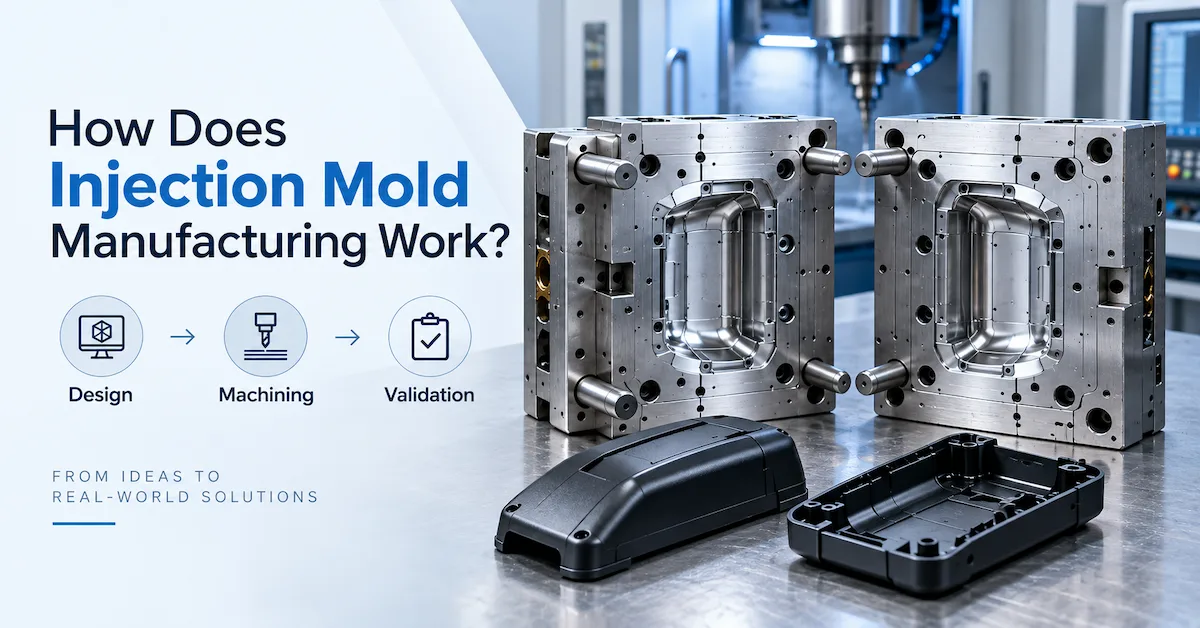
Product Review → DFM → Mold Design → Material Selection → CNC/EDM → Mold Assembly → Trial Molding → Approval → Production
Step 1: Product Design Review and DFM Analysis
Before mold manufacturing begins, engineers review whether the part can be produced efficiently.
The review may include:
- Wall thickness
- Draft angle
- Rib design
- Boss structure
- Undercuts
- Parting line
- Gate position
- Ejection method
- Cooling requirements
- Warpage risks
DongXin's DFM support focuses on identifying manufacturing risks before tooling production.
Why DFM Is Important for Automotive Interiors
Without proper DFM, problems may appear during:
- Mold trial
- Assembly testing
- Production ramp-up
Common issues include:
- Sink marks
- Visible weld lines
- Uneven texture
- Warped panels
- Difficult ejection
- Poor fitting
Early engineering review helps prevent expensive mold modifications later.
Step 2: Automotive Mold Design and Engineering
Automotive interior molds often require advanced tooling structures.
The design may include:
- Multi-cavity layouts
- Sliders
- Lifters
- Inserts
- Cooling channels
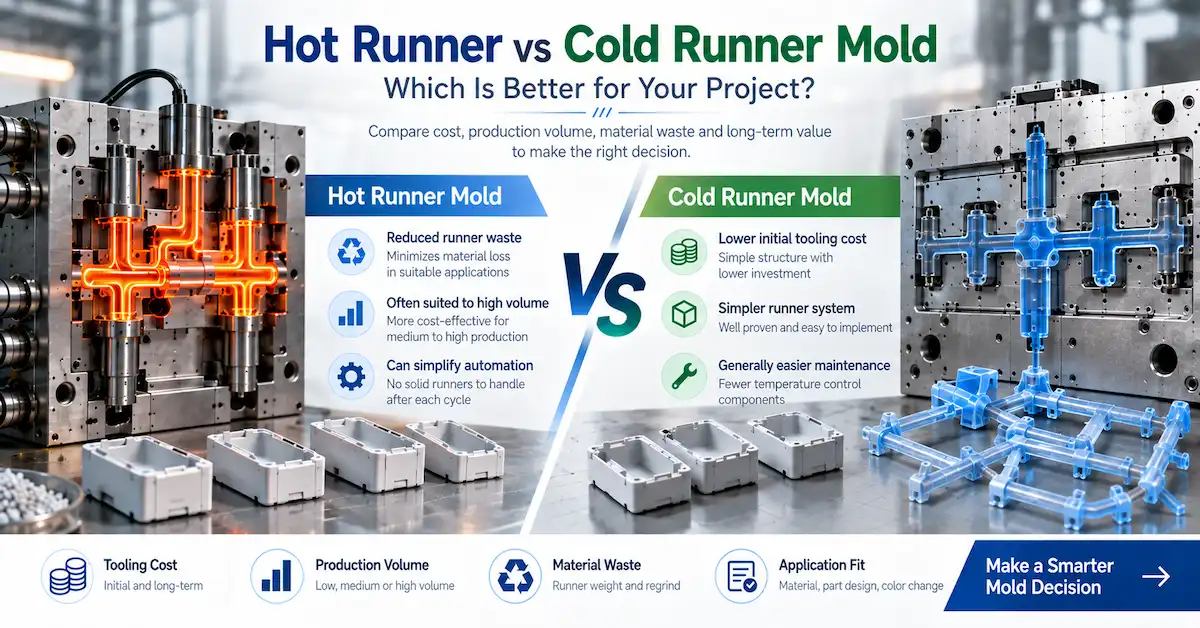
- Hot runner systems
- Special ejection systems
A professional automotive interior mold manufacturer should design the mold based on:
- Part geometry
- Plastic material
- Production volume
- Expected tool life
- Maintenance requirements
The goal is not simply producing a working mold.
The goal is creating a mold that can support stable automotive production.
Step 3: Material Selection for Automotive Interior Molds
Automotive interior components use different plastics depending on application.
Common materials include:
ABS
Used for:
- Interior trims
- Decorative components
- Instrument panels
Advantages:
- Good appearance
- Easy processing
- Good dimensional stability
PC/ABS
Common in automotive interiors because it provides:
- Better impact resistance
- Heat resistance
- Mechanical strength
PP
Often used for:
- Door panels
- Large interior components
- Lightweight structures
Important considerations:
- Shrinkage control
- Warpage prevention
- Flow behavior
Engineering Plastics
Some functional components require:
- Higher strength
- Temperature resistance
- Chemical resistance
A skilled supplier should consider material behavior before finalizing mold structure.
Step 4: Precision Mold Manufacturing
Automotive interior molds require accurate manufacturing because final parts must fit vehicle assemblies precisely.
The manufacturing process may include:
CNC Machining
Used for:
- Mold bases
- Core components
- Cavities
- Inserts
EDM Processing
Used for:
- Complex cavity details
- Fine features
- Difficult machining areas
Mold Assembly
Experienced technicians verify:
- Core and cavity fitting
- Slider movement
- Ejection performance
- Parting surface accuracy
DongXin integrates CNC machining, EDM processing, mold fitting and assembly into its tooling workflow.
Step 5: Trial Molding and Quality Validation
A completed mold must be validated before production release.
Automotive interior mold trials evaluate:
- Part appearance
- Dimensional accuracy
- Assembly fit
- Mold operation
- Injection stability
Typical validation includes:
Appearance Inspection
Checking:
- Surface defects
- Texture consistency
- Gate marks
- Sink marks
Dimensional Inspection
Checking:
- Critical dimensions
- Assembly interfaces
- Functional areas
Process Optimization
Adjustments may include:
- Mold modification
- Injection parameter optimization
- Cooling improvement
A reliable automotive interior mold manufacturer should provide evidence-based improvement rather than trial-and-error adjustments.
Quality Requirements for Automotive Interior Mold Manufacturers
Automotive customers usually require stronger process control compared with general plastic products.
Important quality areas include:
Mold Quality Control
Including:
- Steel inspection
- Component inspection
- Assembly inspection
- Trial verification
Part Quality Control
Including:
- Dimensional reports
- Appearance checks
- Functional testing
Documentation Control
Including:
- Drawing revisions
- Modification records
- Trial reports
- Approval documents
Quality systems such as ISO 9001 provide a framework for controlled manufacturing processes.
However, buyers should evaluate actual manufacturing practices rather than certification claims alone.
How to Choose an Automotive Interior Mold Manufacturer?
OEM buyers should evaluate suppliers based on capability, not only quotation price.
Check Engineering Capability
Ask:
- Can they perform DFM?
- Can they recommend mold improvements?
- Can they explain tooling decisions?
Check Manufacturing Capability
Review:
- CNC equipment
- EDM capability
- Mold assembly
- Inspection equipment
Check Automotive Experience
Ask about:
- Previous interior projects
- Similar part sizes
- Material experience
- Production requirements
Check Long-Term Support
Confirm:
- Mold maintenance
- Modification support
- Spare parts
- Production assistance
The best supplier is not necessarily the cheapest.
It is the partner that can reduce manufacturing risk throughout the product lifecycle.
Automotive Interior Mold Manufacturer vs General Mold Supplier
| Comparison | General Mold Supplier | Automotive Interior Mold Manufacturer |
|---|---|---|
| Product focus | Various plastic parts | Vehicle interior components |
| Surface requirements | Standard | High cosmetic requirements |
| Engineering depth | General DFM | Automotive-specific optimization |
| Production volume | Various | Usually long-term programs |
| Quality requirements | General inspection | Strong validation processes |
| Application knowledge | Limited | Automotive assembly understanding |
For automotive projects, specialized experience can reduce:
- Tool modifications
- Trial cycles
- Production delays
- Quality issues
FAQ About Automotive Interior Mold Manufacturers
What does an automotive interior mold manufacturer produce?
They design and manufacture injection molds used for vehicle interior plastic components such as dashboards, door trims, consoles, air vents and decorative parts.
Why are automotive interior molds more challenging?
Automotive interiors require a combination of appearance, dimensional accuracy, durability and long-term production consistency.
What materials are commonly used for automotive interior parts?
Common materials include ABS, PC/ABS, PP and engineering plastics depending on the function and performance requirements.
What should I provide when requesting an automotive mold quotation?
Provide 3D CAD files, drawings, material information, production volume, surface requirements, tolerances and application details.
How important is DFM for automotive interior molds?
DFM is critical because it helps identify risks related to appearance, assembly, filling, cooling and manufacturability before tooling begins.
Can one supplier provide both automotive molds and molded parts?
Yes. Some manufacturers provide both tooling and injection molding services, allowing closer coordination between mold development and production.
How long does automotive interior mold development take?
The timeline depends on part complexity, tooling structure, design approval speed, machining requirements and trial results.
How do I evaluate an automotive interior mold supplier?
Review engineering capability, automotive experience, manufacturing processes, quality control, trial validation and long-term support capability.
Conclusion
Choosing the right automotive interior mold manufacturer is essential for developing reliable vehicle interior components.
A professional partner should provide:
- Automotive-specific engineering knowledge
- DFM optimization
- Precision mold manufacturing
- Material understanding
- Trial validation
- Quality control
- Long-term OEM support
For automotive OEM buyers, the value of a mold manufacturer is not only in producing tooling.
It is in creating a reliable bridge between product design and stable vehicle production.
DongXin supports automotive plastic injection mold projects through engineering review, custom tooling development, plastic molding and OEM manufacturing support.
If you are developing automotive interior plastic components, you can contact DongXin to discuss tooling requirements, materials, production volume and manufacturing solutions.