What Is an Automotive Exterior Mold Supplier?
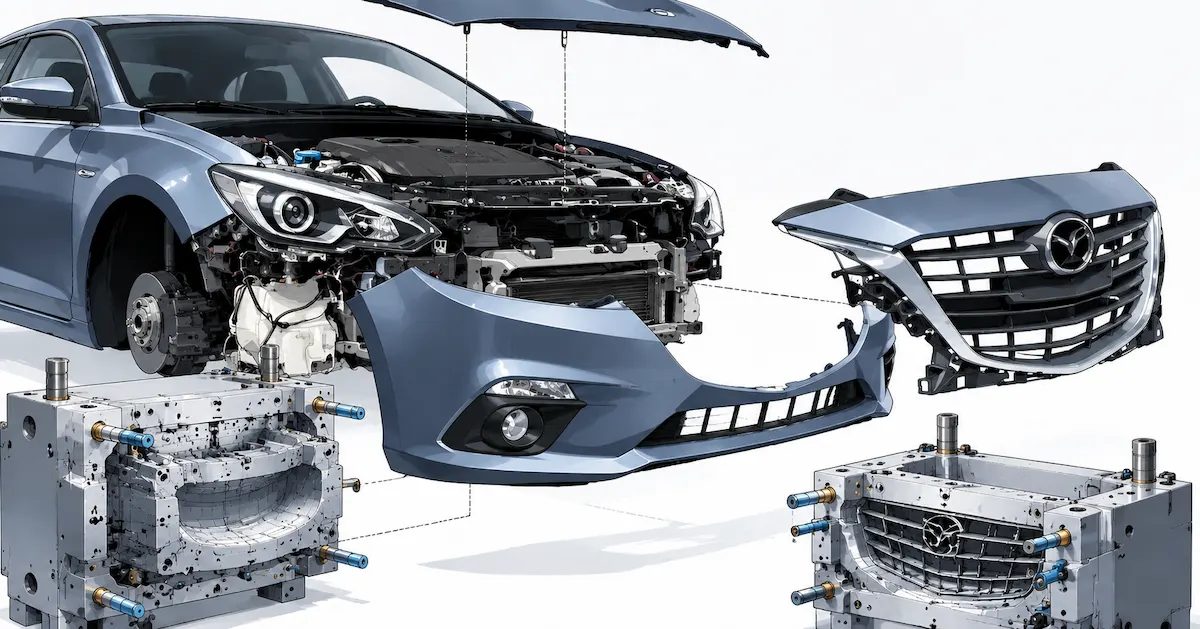
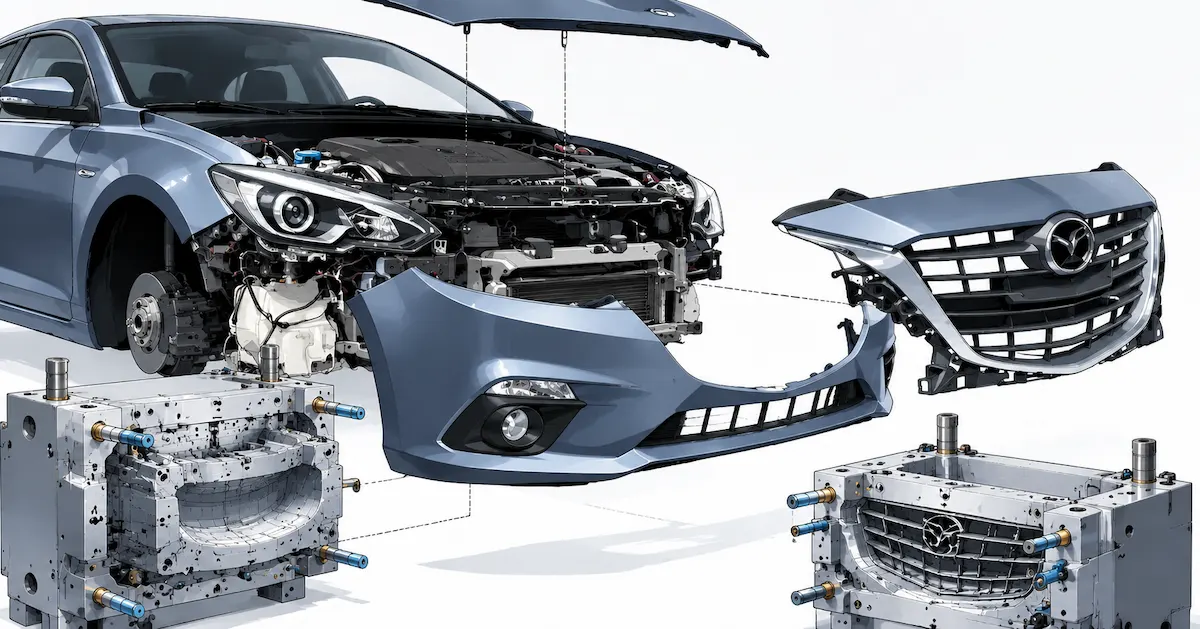
An automotive exterior mold supplier specializes in designing and manufacturing injection molds for vehicle exterior plastic components. These suppliers support automotive manufacturers and Tier suppliers by developing tooling that can achieve consistent quality, accurate dimensions, and stable production performance.
Automotive exterior components are among the most demanding injection molding applications because they usually combine:
- Large part dimensions
- Complex surface structures
- High appearance requirements
- Tight assembly tolerances
- Long production cycles
- Strict quality expectations
A professional automotive exterior mold supplier does not only manufacture a mold. It provides engineering support throughout the complete tooling development process:
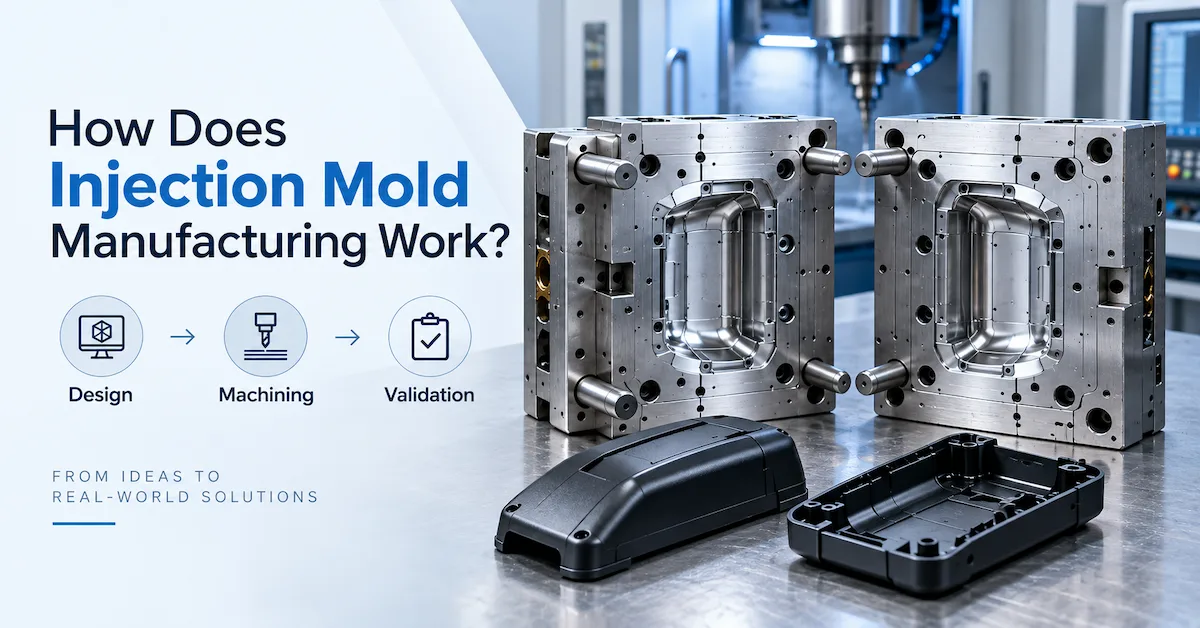
Product Analysis → DFM Review → Mold Design → CNC/EDM Machining → Mold Assembly → Trial Molding → Production Validation
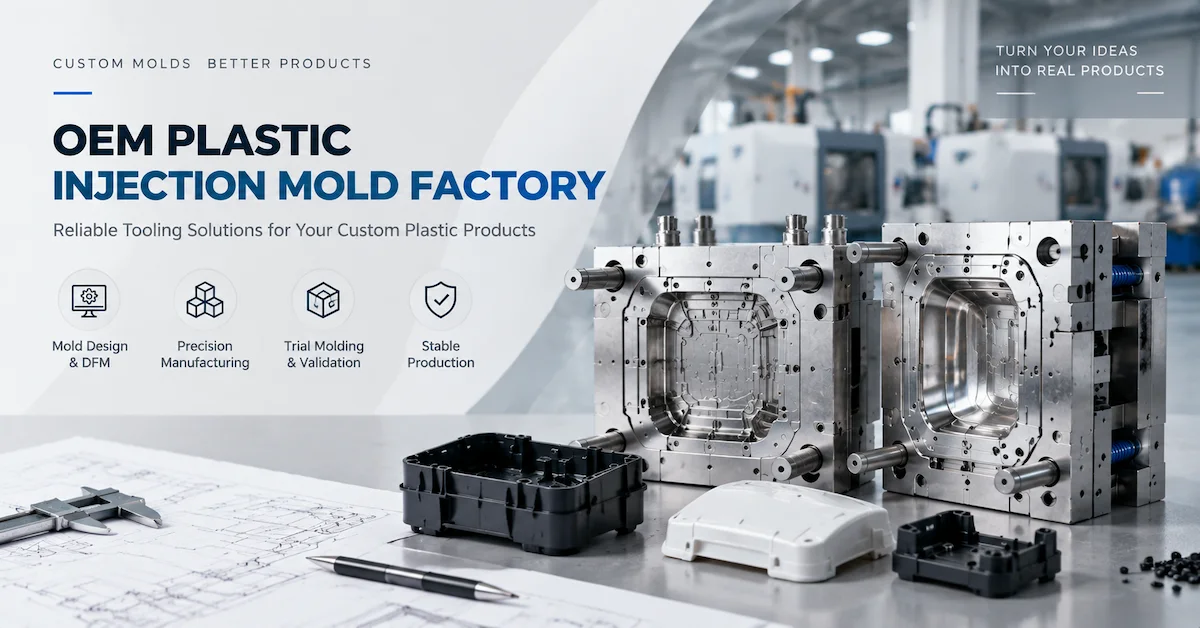
DXMolding provides automotive plastic injection mold solutions, supporting OEM customers with custom mold design, precision manufacturing, trial validation, and plastic molding services.
Why Automotive Exterior Parts Need Specialized Mold Suppliers
Automotive exterior plastic parts directly influence vehicle appearance, assembly quality, and long-term performance.
Compared with general plastic products, exterior automotive components usually have higher requirements in several areas.
Appearance Requirements
Exterior parts are visible to end users, which means manufacturers must carefully control:
- Surface finish
- Texture consistency
- Color appearance
- Parting line position
- Gate mark visibility
- Weld-line appearance
A small tooling issue can create visible defects after molding.
Structural Requirements
Exterior components must maintain performance under:
- Temperature changes
- UV exposure
- Weather conditions
- Mechanical impact
- Long-term vibration
The mold design must therefore consider both appearance and functional requirements.
Production Requirements
Automotive programs often require long-term mass production.
A suitable mold must provide:
- Stable cycle times
- Consistent dimensions
- Easy maintenance
- Reliable operation
- Long service life
This is why automotive companies usually work with specialized suppliers rather than general-purpose mold manufacturers.
Common Automotive Exterior Components Using Injection Molds
A capable automotive exterior mold supplier should understand different vehicle exterior applications and their specific tooling challenges.
Automotive Bumper Mold
Bumpers are some of the largest injection molded exterior components.
They usually require:
- Large mold structures
- Balanced filling design
- Effective cooling systems
- Strong mold rigidity
- Warpage control
Because bumper surfaces are highly visible, mold design must carefully manage:
- Gate location
- Flow balance
- Cooling layout
- Ejection strategy
Poor tooling design may result in:
- Uneven shrinkage
- Surface deformation
- Assembly problems
Automotive Grille Mold
Front grilles combine appearance and structural requirements.
Typical challenges include:
- Fine design details
- Complex geometry
- Decorative surfaces
- Tight fitting requirements
The mold must achieve:
- Accurate cavity details
- Stable dimensions
- Good surface replication
Automotive Mirror Cover Mold
Mirror covers require precise matching with vehicle assemblies.
Important tooling factors include:
- Surface quality
- Dimensional accuracy
- Clip and mounting structure
- Consistent appearance
Even small dimensional deviations may affect final vehicle assembly.
Exterior Trim and Panel Molds
Examples include:
- Side trims
- Wheel arch covers
- Roof trims
- Protective panels
- Decorative exterior components
These products often require:
- Lightweight design
- Strong mounting structures
- Weather resistance
- Stable production performance
How Automotive Exterior Mold Manufacturing Works
A professional automotive exterior mold supplier follows a structured development process to reduce tooling risks.
The typical workflow includes:
- Product design review
- DFM analysis
- Mold structure design
- Material selection
- CNC machining
- EDM processing
- Mold assembly
- Trial molding
- Inspection and optimization
- Production support
Product Review and DFM Analysis Before Tooling
Before manufacturing begins, engineers review whether the part design is suitable for injection molding.
The evaluation may include:
- Wall thickness
- Draft angle
- Rib structure
- Boss design
- Undercuts
- Parting line
- Gate position
- Cooling requirements
- Ejection method
- Warpage risks
DXMolding provides DFM engineering support to help customers identify potential manufacturing issues before mold production begins.
Why DFM Matters for Automotive Exterior Parts
Large exterior components are more sensitive to manufacturing risks.
Without proper DFM analysis, problems may appear during production:
- Warped panels
- Uneven surfaces
- Sink marks
- Weld lines
- Difficult demolding
- Poor assembly fit
Early engineering review allows suppliers and customers to solve these problems before investing heavily in tooling.
Automotive Exterior Mold Design Considerations
Automotive exterior molds require careful engineering because of their size, complexity, and production requirements.
Large Mold Structure Design
Exterior components often require larger molds compared with standard plastic parts.
The mold design must consider:
- Mold strength
- Component alignment
- Machine compatibility
- Maintenance access
Cooling System Optimization
Cooling performance directly affects:
- Cycle time
- Shrinkage
- Dimensional stability
- Part appearance
A professional supplier should design cooling channels based on actual part geometry instead of using standard layouts.
Ejection System Design
Large exterior parts require reliable ejection systems.
The mold should prevent:
- Part deformation
- Surface damage
- Ejection marks
The ejection method must match the product structure and cosmetic requirements.
Precision Manufacturing Process for Automotive Exterior Molds
After mold design approval, manufacturing accuracy becomes one of the most important factors affecting automotive exterior part quality.
A professional automotive exterior mold supplier should have the capability to control the complete tooling manufacturing process, including:
- CNC machining
- EDM machining
- Wire cutting
- Grinding
- Mold fitting
- Mold assembly
- Surface finishing
- Dimensional inspection
Automotive exterior molds usually contain large cavities, complex surfaces, and tight fitting structures. Therefore, manufacturing accuracy directly influences:
- Part dimensions
- Surface appearance
- Assembly performance
- Mold lifespan
- Production stability
DXMolding integrates precision machining processes including CNC and EDM manufacturing for custom injection mold projects, supporting complex tooling requirements from prototype development to mass production.
CNC Machining for Automotive Exterior Molds
CNC machining is a core manufacturing process for producing precision mold components.
It is commonly used for:
- Mold bases
- Core components
- Cavity components
- Inserts
- Structural parts
For automotive exterior molds, CNC machining requires careful control of:
- Machining accuracy
- Surface quality
- Tool selection
- Processing parameters
- Dimensional inspection
Large automotive components require stable machining processes because even small deviations may affect:
- Panel alignment
- Assembly gaps
- Exterior appearance
A qualified automotive exterior mold supplier should not only have CNC equipment but also have experienced engineers and technicians who understand mold manufacturing requirements.
EDM Machining for Complex Automotive Mold Features
EDM machining is commonly used when traditional CNC machining cannot efficiently create certain mold structures.
Typical applications include:
- Deep cavity areas
- Complex corners
- Fine details
- Precision inserts
- Difficult-to-machine features
For automotive exterior molds, EDM helps achieve complex geometries required for:
- Decorative details
- Functional structures
- Precision fitting areas
The combination of CNC machining and EDM allows manufacturers to produce molds with both structural strength and detailed surface features.
Mold Assembly and Precision Fitting
Machining individual mold components is only one stage of mold manufacturing.
The final tooling performance depends heavily on accurate assembly.
During mold fitting and assembly, technicians verify:
- Core and cavity matching
- Insert positioning
- Slider movement
- Ejection performance
- Parting surface accuracy
- Cooling connection
- Mold operation
A professional supplier should control assembly quality because a mold with accurately machined components can still fail if the final fitting is incorrect.
Automotive Exterior Mold Material Selection
Material selection plays an important role in mold performance and service life.
A professional automotive exterior mold supplier selects mold materials based on:
- Production volume
- Plastic material
- Surface requirements
- Expected tool life
- Maintenance requirements
Common mold materials may include:
P20 Steel
Suitable for:
- Medium-volume production
- Prototype molds
- General automotive plastic applications
Advantages:
- Good machinability
- Cost efficiency
- Balanced performance
718H Steel
Commonly used for:
- Automotive plastic parts
- Medium and high-quality tooling
Advantages:
- Good polishing capability
- Stable performance
- Suitable for cosmetic surfaces
S136 Steel
Used for applications requiring:
- High surface quality
- Corrosion resistance
- Long service life
The correct material selection depends on the actual application rather than choosing the most expensive option.
Surface Quality Control for Automotive Exterior Parts
Automotive exterior components have strict appearance requirements because they directly affect vehicle visual quality.
A professional automotive exterior mold supplier should control:
Mold Surface Finish
Including:
- Polishing quality
- Texture consistency
- Surface uniformity
Cosmetic Defect Prevention
The tooling design should minimize:
- Weld lines
- Sink marks
- Flow marks
- Gate marks
- Surface deformation
Texture Transfer
For textured exterior parts, the mold surface must accurately reproduce the required texture.
Poor texture control may create:
- Uneven appearance
- Color differences
- Customer rejection
Therefore, mold surface preparation is a critical step before production approval.
Automotive Exterior Mold Trial and Validation
A completed mold must go through trial molding before entering mass production.
The purpose of mold trials is to verify whether the tooling can consistently produce acceptable parts.
A typical validation process includes:
Initial Trial (T0)
The first trial evaluates:
- Mold operation
- Filling condition
- Basic part quality
- Potential defects
Optimization Trial (T1/T2)
Further trials focus on:
- Dimensional improvement
- Surface quality
- Process optimization
- Mold modifications
Final Approval
Before production release, customers may evaluate:
- Appearance
- Dimensions
- Assembly
- Functional requirements
DXMolding supports mold trial evaluation, sample inspection and tooling optimization before production approval.
Quality Control Requirements for Automotive Mold Suppliers
Automotive projects require stronger quality control because vehicle programs often involve long-term production.
A reliable automotive exterior mold supplier should establish quality control throughout the entire process.
Incoming Material Inspection
Checking:
- Mold steel
- Standard components
- Purchased parts
Machining Inspection
Checking:
- Critical dimensions
- Component accuracy
- Surface requirements
Assembly Inspection
Checking:
- Mold movement
- Fitting accuracy
- Functional operation
Trial Inspection
Checking:
- Molded samples
- Dimensions
- Appearance
- Production performance
Quality management systems such as ISO 9001 provide a framework for controlled manufacturing processes and continual improvement.
However, automotive buyers should evaluate actual supplier processes rather than relying only on certificates.
How to Choose the Right Automotive Exterior Mold Supplier?
Selecting a supplier requires evaluating both technical capability and project management ability.
Evaluate Engineering Capability
A capable supplier should be able to provide:
- DFM analysis
- Mold design recommendations
- Material suggestions
- Manufacturing solutions
Evaluate Manufacturing Capability
Review:
- CNC machining capability
- EDM capability
- Mold assembly experience
- Inspection equipment
Evaluate Automotive Experience
Important questions include:
- Has the supplier produced similar automotive exterior molds?
- Can they handle large-size tooling?
- Do they understand cosmetic requirements?
- Can they support long-term production?
Evaluate Communication and Project Management
Automotive projects often involve multiple development stages.
A reliable supplier should provide:
- Clear project schedules
- Technical updates
- Engineering feedback
- Change management
- Trial reports
The right partner should help reduce development risks, not simply manufacture a mold based on drawings.
Automotive Exterior Mold Supplier vs General Mold Supplier
| Comparison | General Mold Supplier | Automotive Exterior Mold Supplier |
|---|---|---|
| Application | General plastic products | Vehicle exterior components |
| Mold size | Small to medium | Medium to large tooling |
| Surface requirement | Standard | High cosmetic requirement |
| Engineering | General design support | Automotive-focused DFM |
| Validation | Basic trial | Structured automotive validation |
| Production | Various industries | Long-term automotive programs |
For automotive OEM customers, specialized experience can improve:
- Tool reliability
- Product consistency
- Development efficiency
- Production stability
Applications Supported by Automotive Exterior Mold Suppliers
Automotive exterior molds are widely used for:
Passenger Vehicles
Including:
- Bumpers
- Grilles
- Mirror covers
- Exterior trims
Commercial Vehicles
Including:
- Exterior panels
- Protective components
- Functional covers
Electric Vehicles
EV manufacturers increasingly require lightweight plastic components for:
- Body accessories
- Exterior covers
- Decorative parts
- Functional structures
The supplier must understand both traditional automotive requirements and emerging lightweight manufacturing trends.
Why Choose DXMolding as an Automotive Exterior Mold Supplier?
DXMolding focuses on custom plastic injection mold development and OEM manufacturing support.
The company provides:
- Custom injection mold design
- DFM engineering support
- CNC machining
- EDM processing
- Mold assembly
- Trial molding
- Plastic molding services
Through integrated tooling and manufacturing capabilities, DXMolding helps customers move from product concepts to stable production.
For automotive projects requiring customized exterior plastic components, DXMolding supports customers with engineering communication, tooling development and production solutions.
FAQ About Automotive Exterior Mold Suppliers
What does an automotive exterior mold supplier do?
An automotive exterior mold supplier designs and manufactures injection molds for vehicle exterior plastic components such as bumpers, grilles, trims and mirror covers.
Why are automotive exterior molds more difficult than standard plastic molds?
They usually involve larger sizes, more complex surfaces, stricter appearance requirements and higher production consistency requirements.
What should I prepare before contacting an automotive exterior mold supplier?
Prepare:
- 3D CAD files
- Product drawings
- Material information
- Production quantity
- Surface requirements
- Assembly requirements
Why is DFM important for automotive exterior molds?
DFM helps identify manufacturing risks related to geometry, filling, cooling, ejection and assembly before mold production begins.
What machining processes are used for automotive molds?
Common processes include CNC machining, EDM machining, grinding, polishing and precision fitting.
How long does automotive exterior mold development take?
The timeline depends on mold complexity, size, material selection, design approval, machining requirements and trial results.
Can an automotive mold supplier provide plastic molding services?
Yes. Some suppliers provide both tooling and injection molding services to support complete OEM manufacturing projects.
How do I evaluate automotive exterior mold quality?
Evaluate engineering capability, manufacturing processes, inspection methods, trial validation and long-term support capability.
Conclusion
Choosing the right automotive exterior mold supplier is essential for producing high-quality vehicle exterior components.
A professional supplier should provide more than tooling manufacturing.
The ideal partner should support:
- Product engineering review
- DFM optimization
- Mold design
- Precision machining
- Surface quality control
- Trial validation
- Long-term production support
For automotive OEM buyers, the best supplier is the one that can transform product designs into reliable production solutions.
DXMolding provides custom automotive plastic injection molds, tooling development and plastic molding services to support customers from initial engineering review through production.
If you are developing automotive exterior plastic components, you can contact DXMolding to discuss your mold requirements, materials, production volume and manufacturing solutions.