

Blog
Read DongXin updates, manufacturing insights and practical notes about custom molding, tooling and production support.
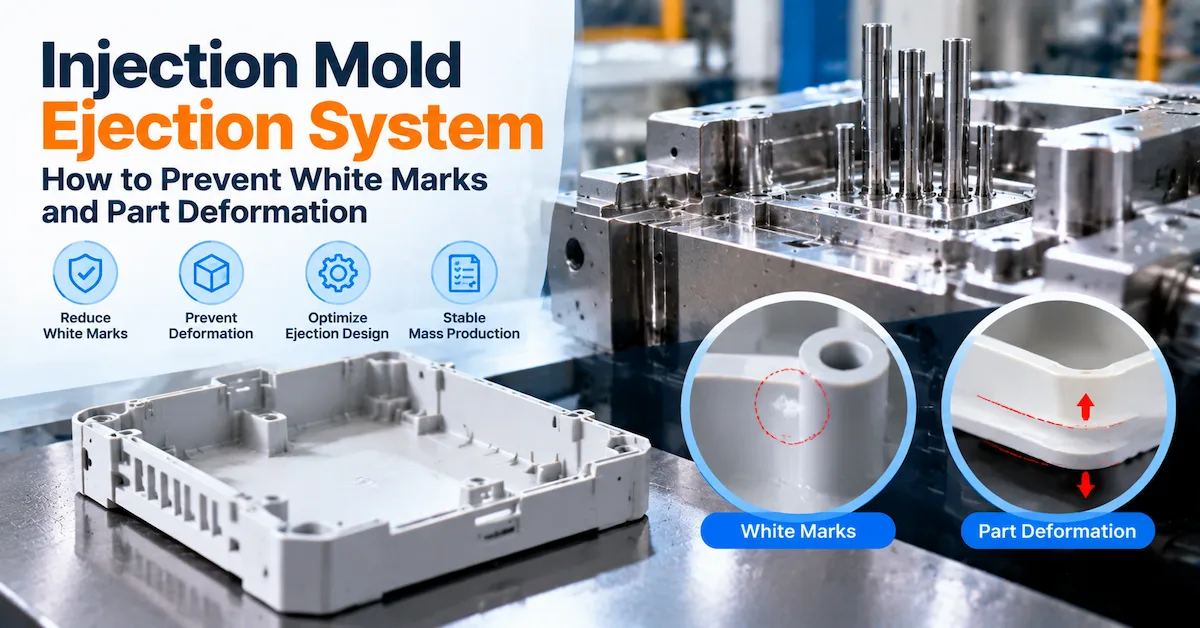
Injection Mold Ejection System: How to Prevent White Marks and Part Deformation
An injection mold ejection system must release the molded part without concentrated force, visible whitening, drag, or distortion. This buyer-focused guide compares ejector pins, sleeves, lifters, stripper plates, and other ejection approaches, then explains how to diagnose white marks and deformation through mold design, trial evidence, and RFQ requirements.
READ MORE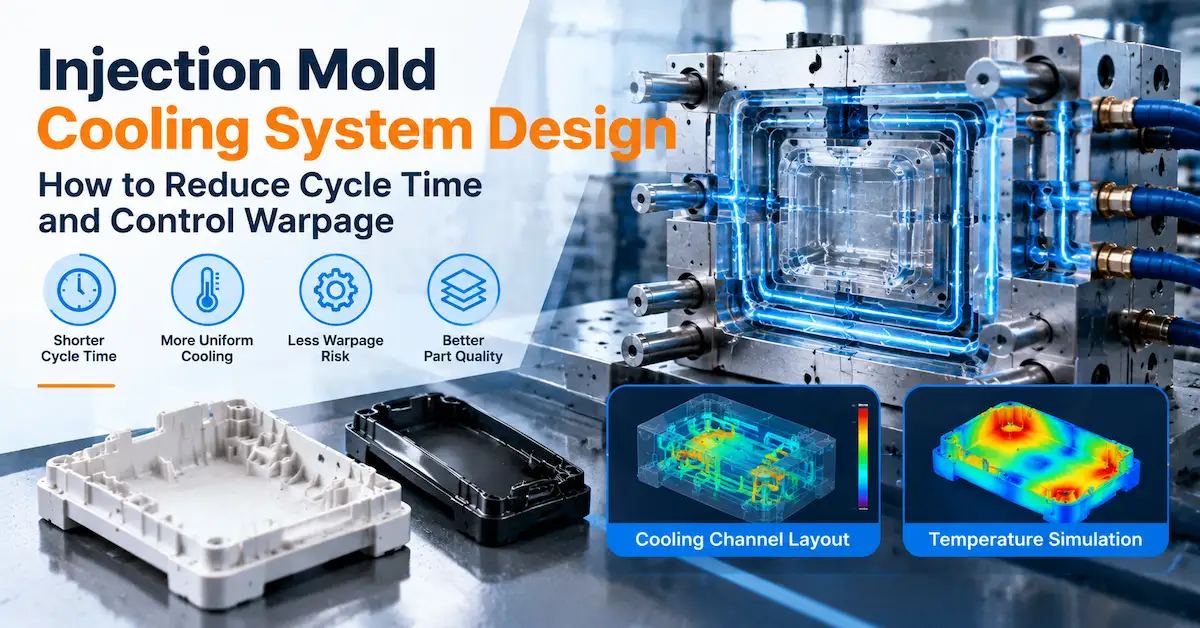
Injection Mold Cooling System Design: How to Reduce Cycle Time and Control Warpage
An injection mold cooling system must remove heat evenly, not simply move water through the tool. This buyer-focused guide explains cooling layout, cycle-time drivers, warpage risks, design evidence, and trial validation before steel cutting.
READ MORE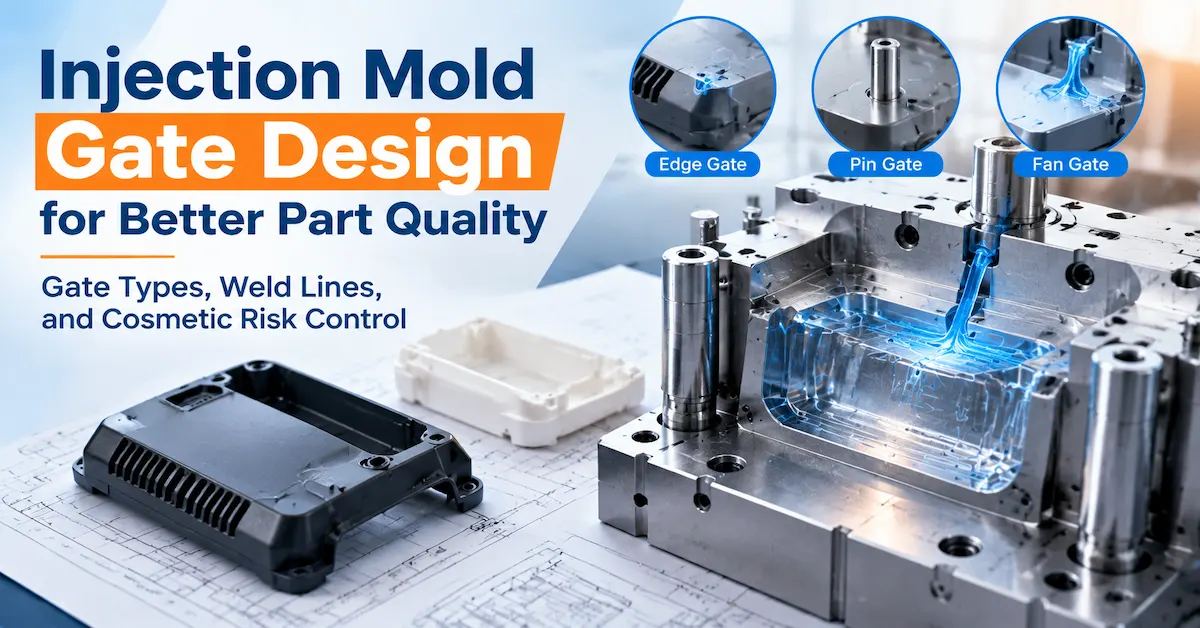
Injection Mold Gate Design for Better Part Quality: Gate Types, Weld Lines, and Cosmetic Risk Control
Injection mold gate design influences how plastic fills, packs, cools, and leaves the tool. This buyer-focused guide explains gate types, weld-line control, cosmetic risk, validation records, and the information needed for a project-specific tooling review.
READ MORE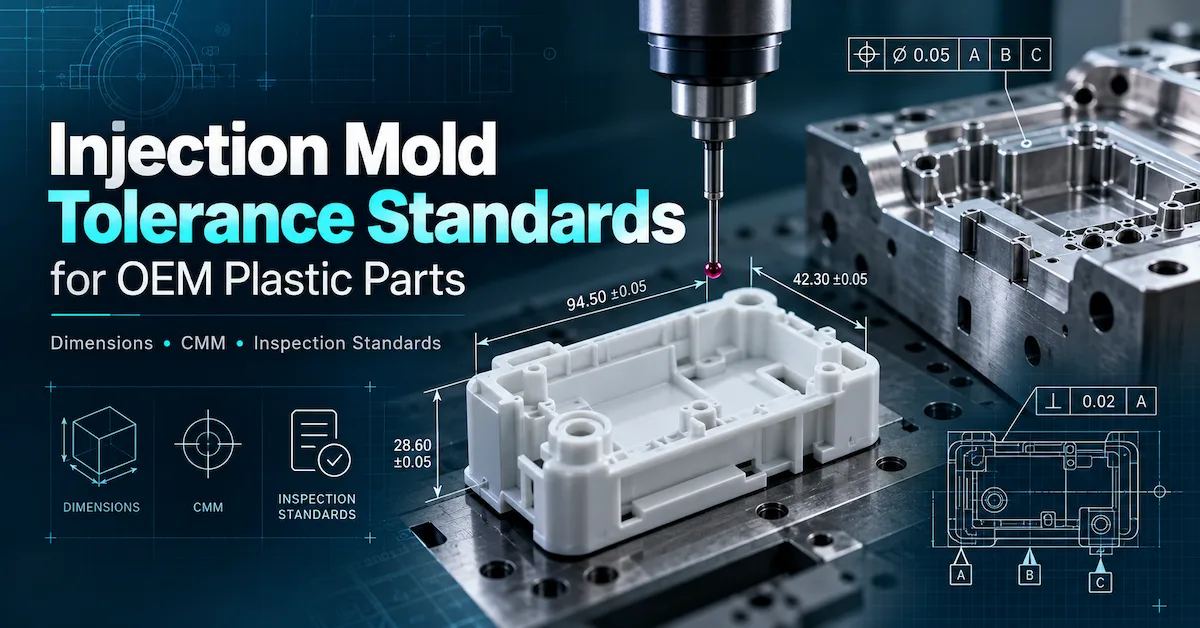
Injection Mold Tolerance Standards for OEM Plastic Parts: Drawing, CMM & Acceptance Guide
Injection mold tolerance should be defined by product function, resin behavior, geometry, measurement method, and the applicable drawing standard—not by a single “tight tolerance” claim. This guide shows OEM buyers how to specify plastic part dimensions, apply tolerance standards, plan CMM inspection, manage T0/T1 validation, and create measurable acceptance criteria before tooling approval.
READ MORE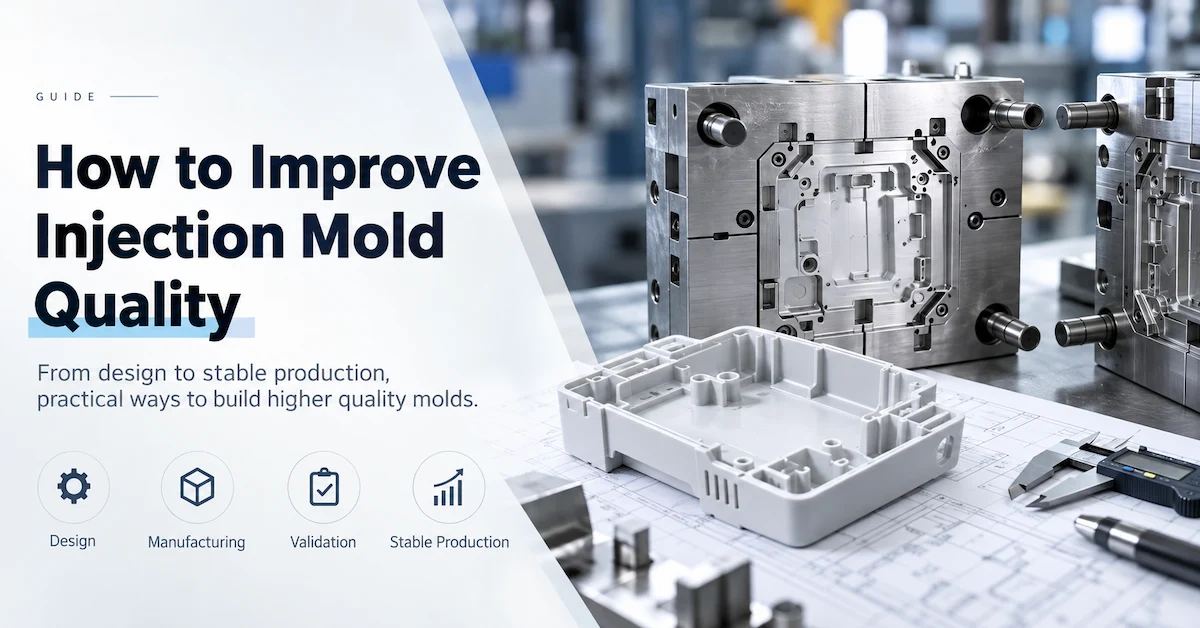
How to Improve Injection Mold Quality: 12 Control Points From DFM to Stable Production
How to improve injection mold quality is not simply a matter of using harder steel or tighter machining tolerances. This guide shows OEM buyers, engineers, and sourcing teams how to improve mold quality through clearer CTQ requirements, DFM, mold design, machining control, trial validation, process capability, defect analysis, maintenance, and supplier quality management.
READ MORE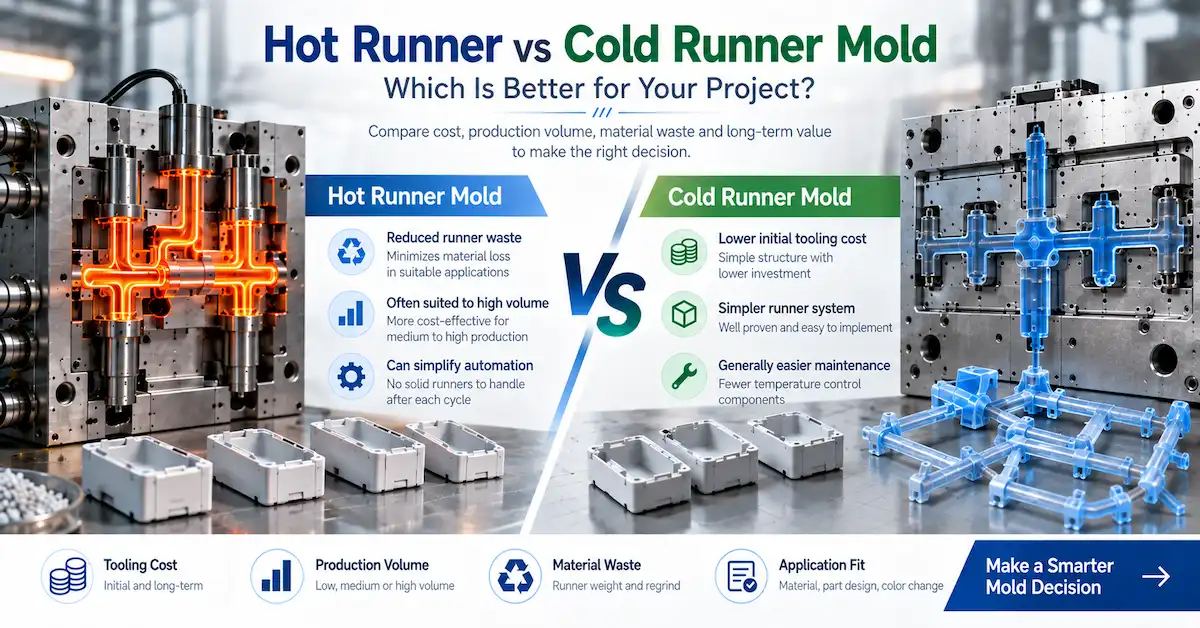
Hot Runner vs Cold Runner Mold: Which Is Better for Cost, Production Volume, and Long-Term Tooling?
Hot runner vs cold runner mold—which is better depends on much more than the initial mold price. This guide helps OEM buyers compare material waste, production volume, cycle requirements, resin behavior, maintenance, color changes, automation, and total cost per acceptable part before selecting a runner system.
READ MORE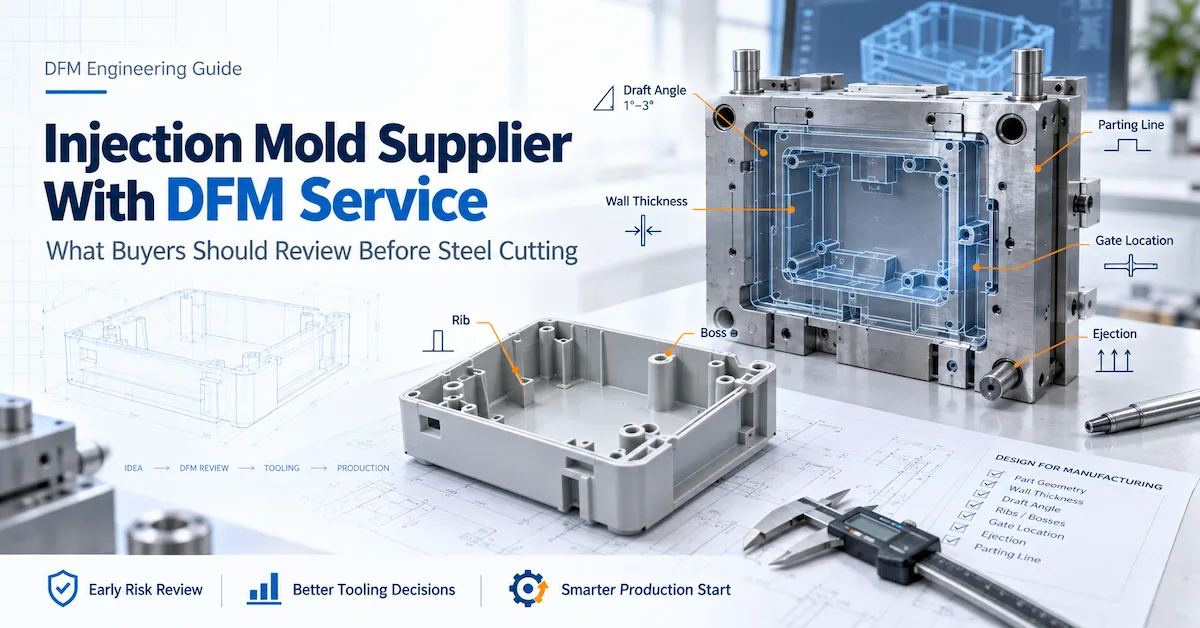
Injection Mold Supplier With DFM Service: What Buyers Should Review Before Steel Cutting
Choosing an injection mold supplier with DFM service helps OEM buyers identify manufacturability risks before expensive mold machining begins. This guide explains what a useful DFM review should cover, how product geometry affects tooling and molding, what buyers should approve, and how to compare suppliers beyond a “free DFM” promise.
READ MORE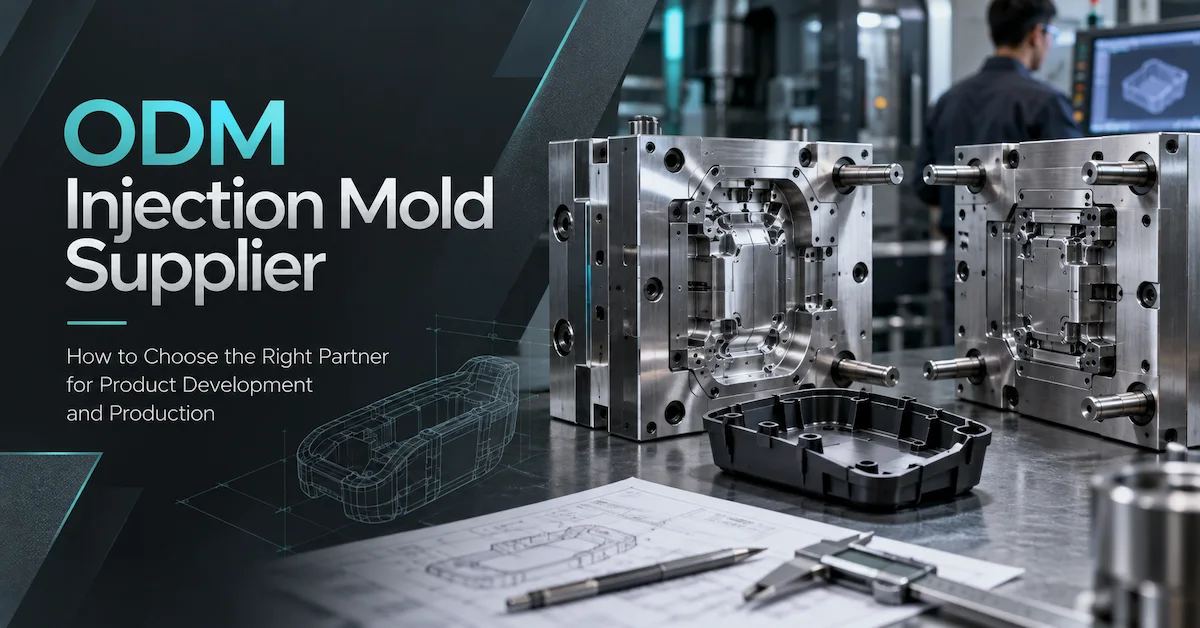
How to Choose an ODM Injection Mold Supplier for New Product Development and Production
Choosing an ODM injection mold supplier requires more than comparing mold prices. This guide explains how B2B buyers can evaluate product-development support, DFM capability, mold engineering, validation, ownership, production readiness, and project risks before committing to tooling.
READ MORE